Hengshui Aiye Machinery Equipment Co., Ltd.
 Business License
Main Products: rubber dam, Inflatable rubber dams, Hydraulic elevator dam, Cast iron gates

Steel and Copper Plates Play Key Roles in Architectural Waterproofing
Mrs. Wendy
June 26, 2025
In the realm of construction, ensuring effective waterproofing is of utmost importance. Steel and copper plates have emerged as crucial materials in achieving reliable waterproofing solutions, especially in areas where water resistance is critical.
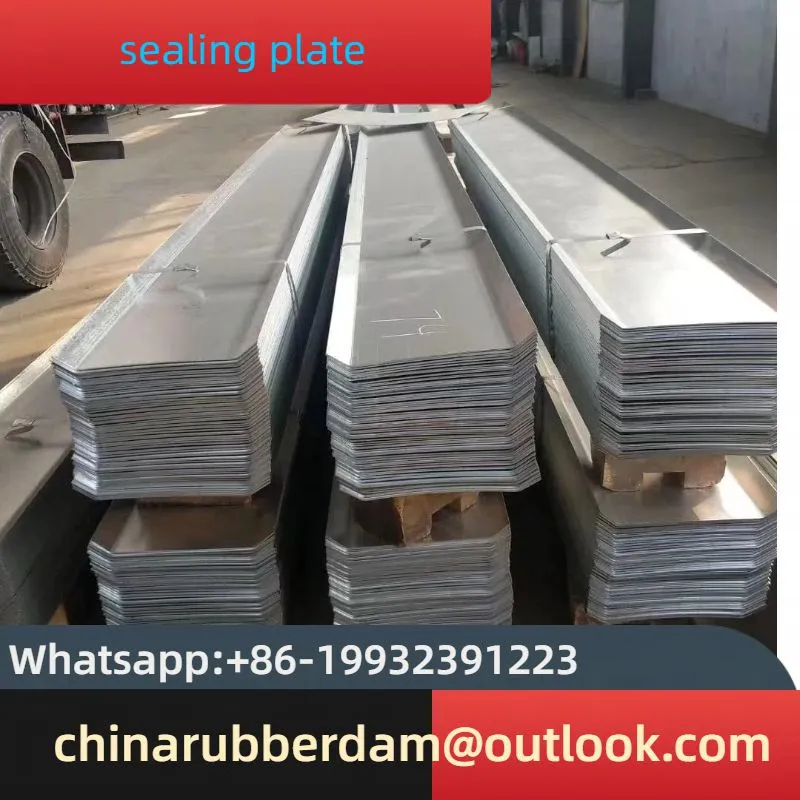
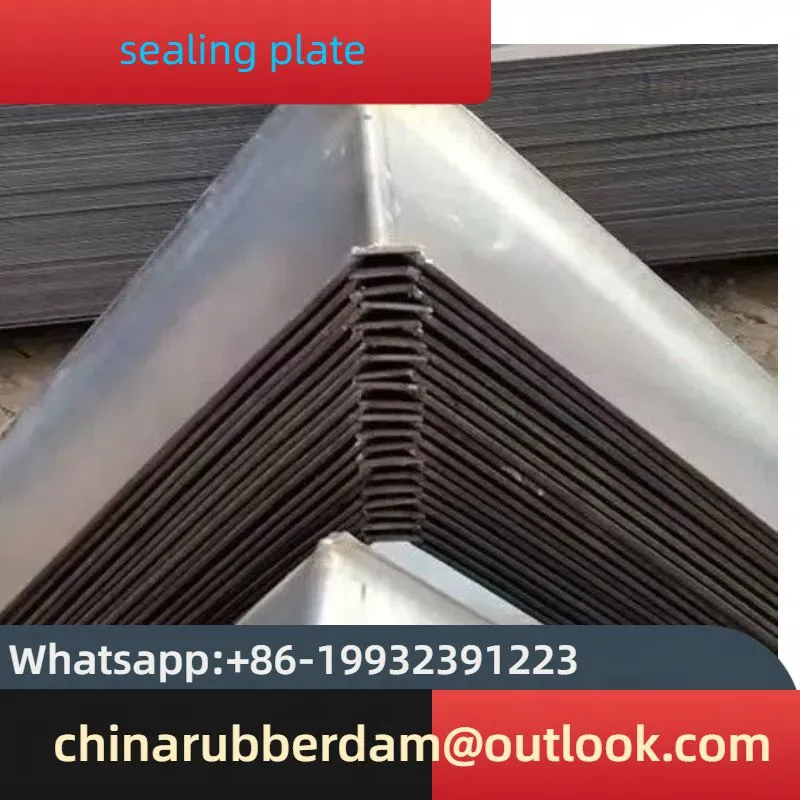
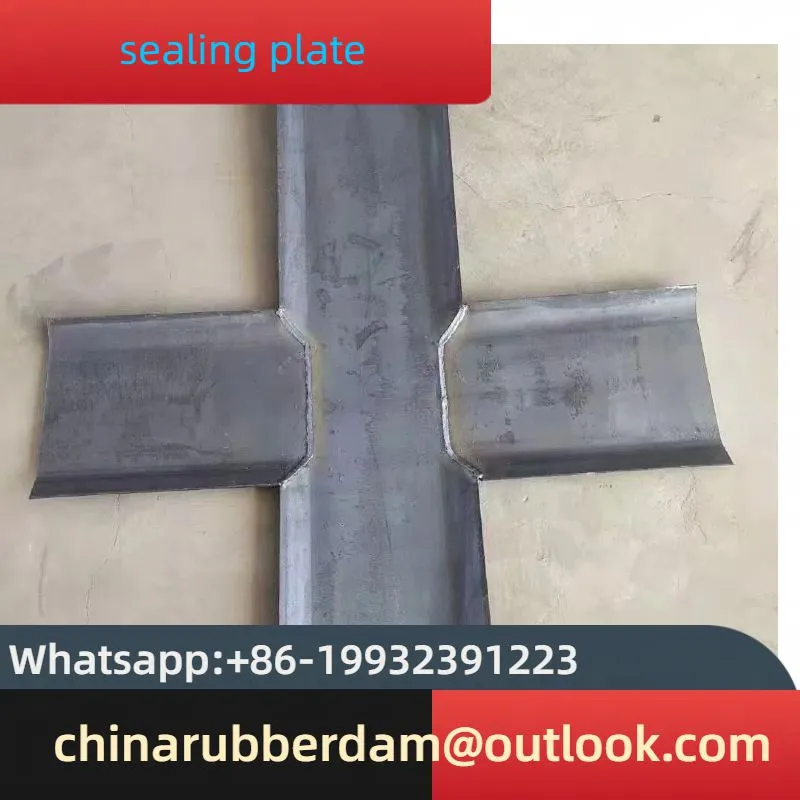
Waterstop steel plates, also known as metal plate waterstops, are widely used in various construction projects. They are available in different materials such as steel, copper, and alloy steel plates. Their primary function is to change the path of water penetration, extending the route that water has to travel. This effectively reduces the likelihood of water seeping through the structure. In environments where the water may contain corrosive components, metal plate waterstops can also provide a certain level of corrosion resistance, safeguarding the integrity of the project.
These waterstop steel plates find extensive application in reinforced concrete junctions, dams, and other large - scale projects. For example, in tunnels, subways, dams, culverts, and construction joints in water conservancy and hydropower projects, as well as basements of high - rise buildings and underground parking lots, they play a vital role in preventing water leakage.
Common specifications of steel plate waterstops include 200 × 2, 200 × 3, 300 × 2, 300 × 3, 350 × 2, 350 × 3, 400 × 4, 330 × 5, etc., with lengths typically available in 3 - meter sections, and can be customized according to user requirements. When in use, it is important to ensure proper lap and welding. The welds should be full, free of slag inclusions, and have a sufficient weld height. The appearance of the waterstop steel plate should be inspected, and any sections that do not meet the quality standards should be returned or cut off. During construction, care should be taken not to touch or move the waterstop steel plate when tying reinforcement and installing formwork. Additionally, its position and appearance should be re - checked before formwork closure.
Copper plates, particularly those made of red copper (also known as pure copper , are also highly valued in construction for waterproofing purposes. Copper water - stop sheets are often used in large - scale projects such as dams and bridges to prevent water leakage. In general larger - scale construction designs, due to the inability to continuously pour concrete, or due to foundation deformation, or thermal expansion and contraction of concrete members caused by temperature changes, construction joints, settlement joints, and deformation joints need to be left. In such areas, copper water - stop sheets are installed to avoid water leakage hazards.
The unique properties of copper contribute to its effectiveness as a waterproofing material. Copper has strong corrosion resistance, which allows it to maintain its integrity in various environmental conditions. It also has high tensile strength and good toughness, enabling it to withstand large deformations without cracking. For instance, in the construction of tunnels, which often encounter complex geological conditions and high water pressure, copper water - stop sheets can be shaped into arc - shaped forms to fit the tunnel structure, providing reliable waterproofing.
In addition, copper water - stop sheets have a clear appearance outline, free of cracks, folds, or pits. When installing copper water - stop sheets, proper fixtures and brackets can be used to ensure a secure installation. For example, a bracket can be divided into two parts, with one part installed in the first - poured section and the other in the latter - poured section, which helps solve the problem of over - sealing of steel bars. Small steel elbows can be used to reinforce the water - stop without displacement.
In conclusion, both steel and copper plates have proven to be essential in architectural waterproofing. Their unique properties and wide range of applications make them integral components in ensuring the long - term durability and water - tightness of construction projects. As the construction industry continues to develop, the use of these materials is expected to further expand and improve, providing more reliable waterproofing solutions for various structures.
Share
Recently Posted
-
Water Stop Steel Plate: Material and Applications
June 26, 2025IntroductionWater stop steel plate, also known as steel water stop, steel water bar, or anti - seepage steel strip, is a crucial s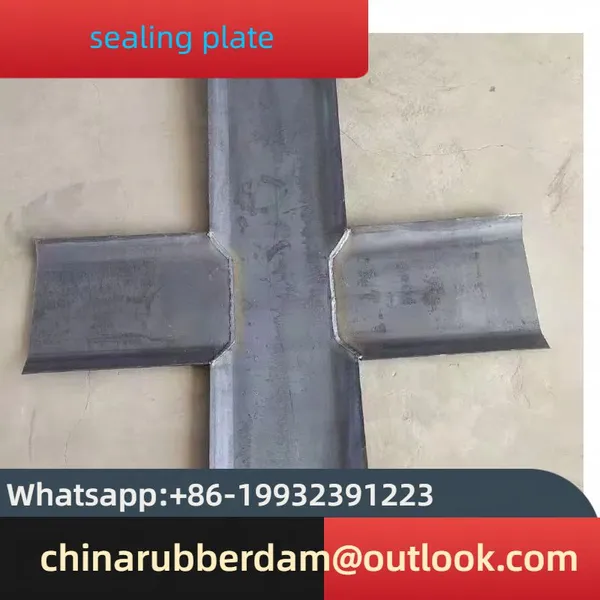 Read More
 -
Installation Steps and Precautions of Gabion Nets
June 26, 2025In recent infrastructure and environmental protection projects, gabion nets have emerged as a popular choice due to their durabili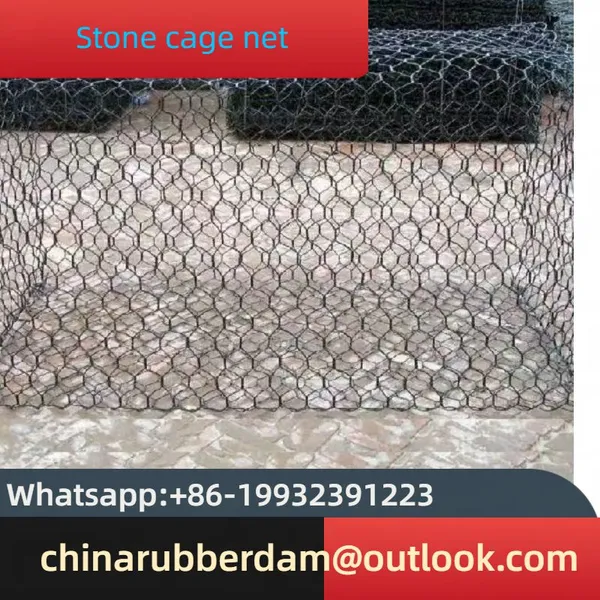 Read More
 -
Applications of Gabion Mesh: Protecting and Enhancing the Environment
June 26, 2025In recent years, gabion mesh has emerged as a versatile and effective solution for a wide range of applications, particularly in t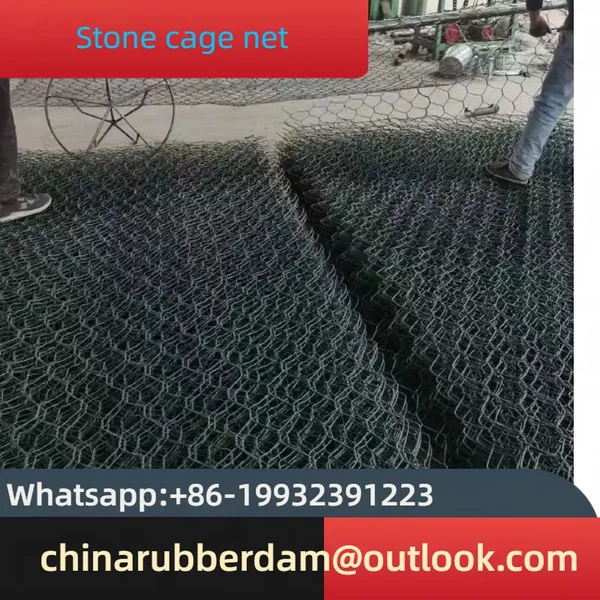 Read More
 -
Here is a sample introduction to bridge rubber bearings
June 26, 2025Bridge rubber bearings are essential components in bridge engineering, playing a crucial role in ensuring the safety and normal op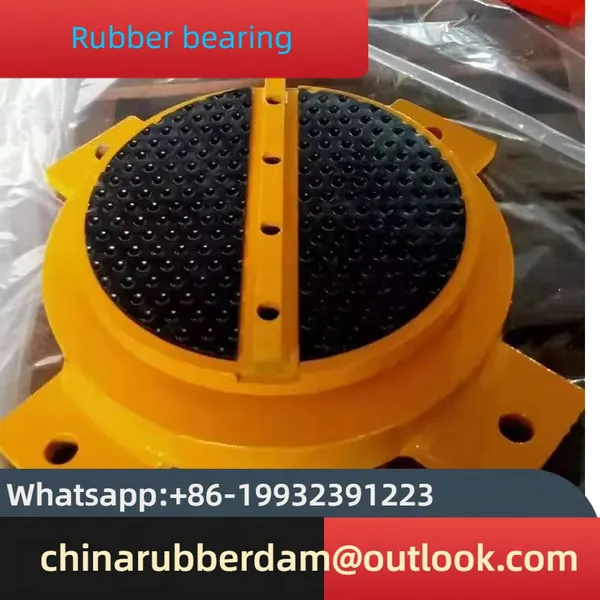 Read More

Contact Us
Recommended Products
-
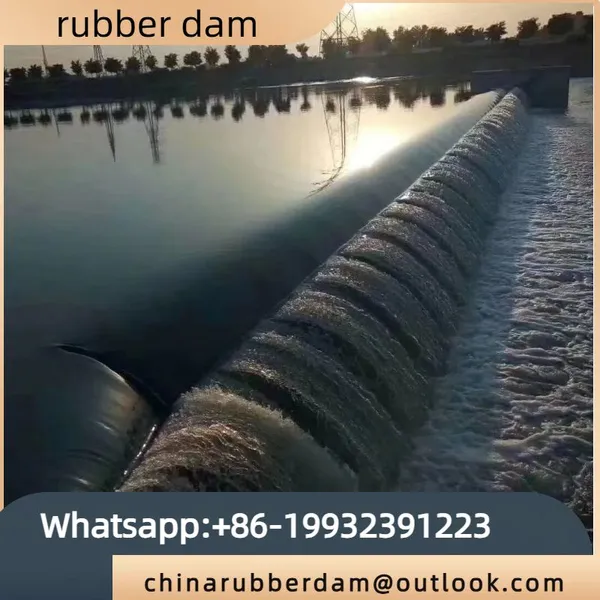
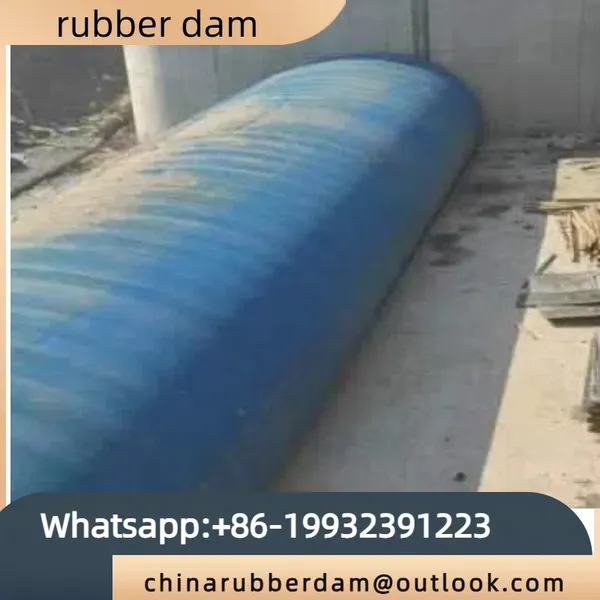
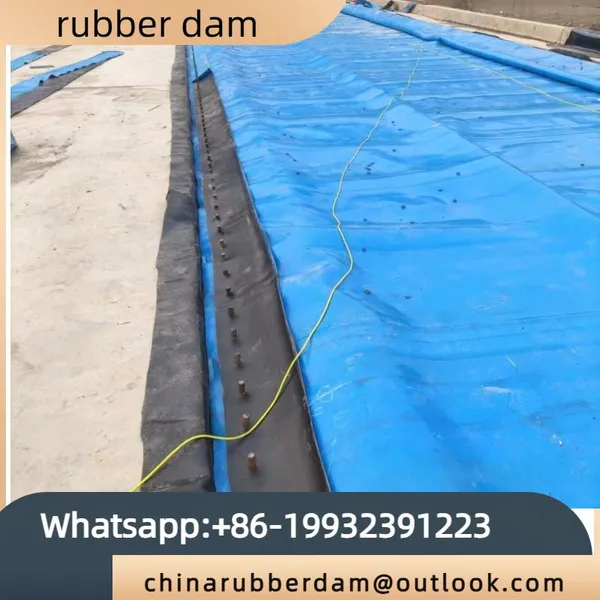
 River Water Storage Landscape Rubber Sluice Bag Rubber Dam Water Filling River Blocking Dam Embankment Inflatable DamUS$ 5200 - 6500MOQ: 1 Bag
 -
Small Rubber Dam Slope Inflatable Landscape Dam Can be CustomizedUS$ 5200 - 6500MOQ: 1 Bag
-
Whole Slope Landscape Ecological Rubber Dam Spot Circular Rubber DamUS$ 5200 - 6500MOQ: 1 Bag
-
Customized Production of Book Style Inflatable Flood Control Dam, Retaining Dam, Steel Wire Boneless Rubber DamUS$ 5201 - 6500MOQ: 1 Bag
-
Small Inflatable Rubber Dam Water Injection Rubber Dam Bag Dam Source ManufacturerUS$ 5201 - 6500MOQ: 1 Bag

-
Supply Rubber Dam With Dam, Inflatable Dam for Sale in StockUS$ 5200 - 6500MOQ: 1 Bag
-
Large Scale Hydraulic Engineering Hydraulic Steel Dam Landscape Hydraulic Dam in Hebei, China, Replica Steel Gate Rubber Dam for Retaining DamUS$ 5200 - 6500MOQ: 1 Bag
-
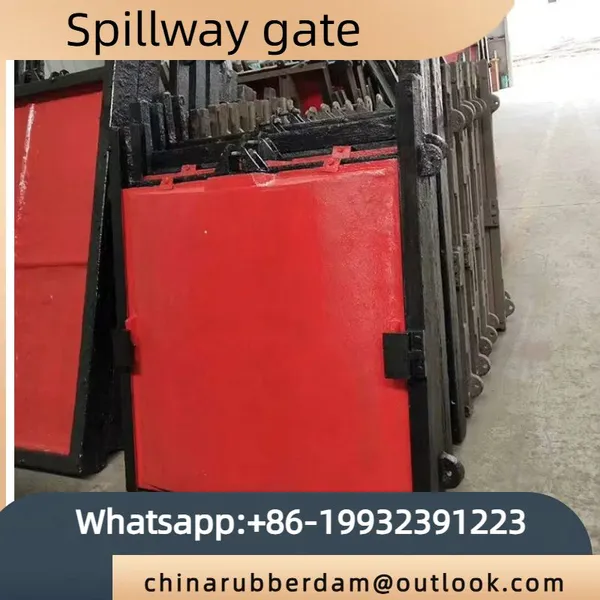
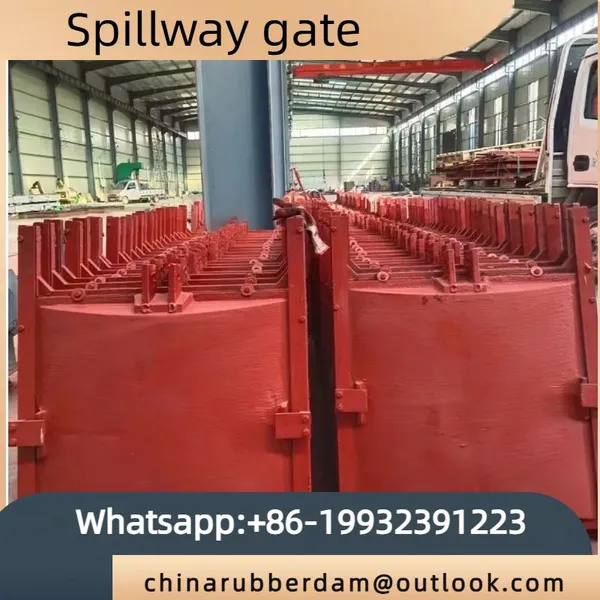
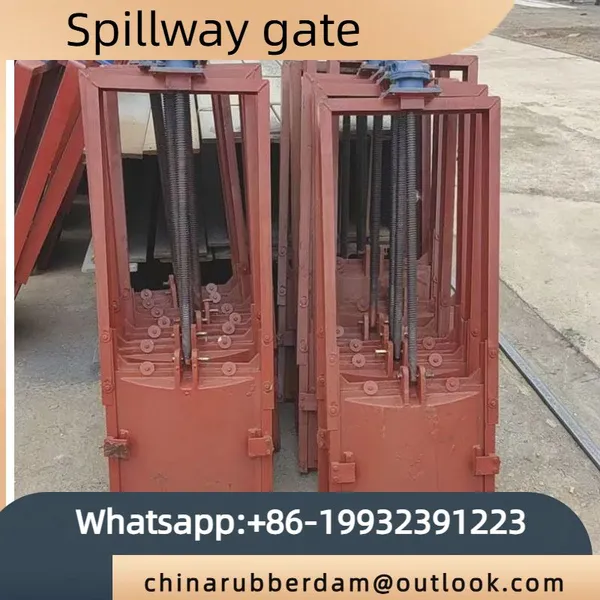
Cast Iron Square Gate/Source Manufacturer Cast Iron Gate SFZ-2000x2000 Matched With Electric Hoist Screw RodUS$ 999 - 1200MOQ: 10 Pairs
-
Steel Gate Source Manufacturer Supplies Stainless Steel Gate ZSZ-2400x2400 Water Stop GateUS$ 999 - 1200MOQ: 10 Pairs
-
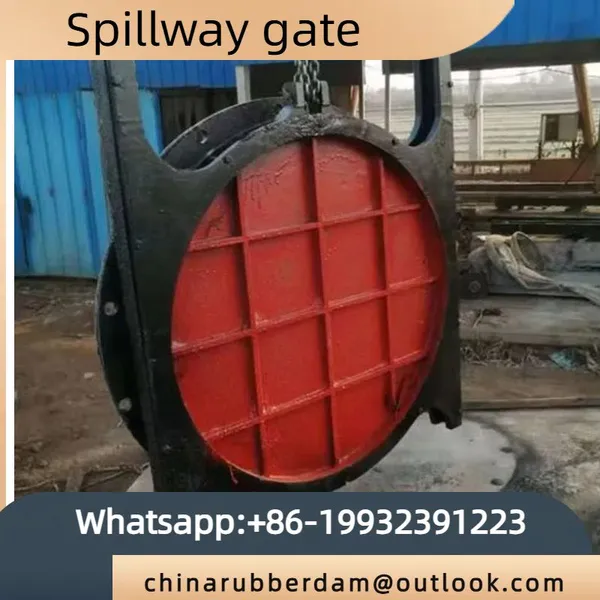
Round Copper Inlaid Cast Iron Gate/Manufacturer Produces Concealed Cast Iron Gate AYZ500 Hoist Cast Iron GateUS$ 999 - 1200MOQ: 10 Pairs
-
Stainless Steel Gate Manufacturer Produces ZSZ Type Water Stop Gate, Two-way Water Control Gate, Customized in Hebei, ChinaUS$ 999 - 1200MOQ: 10 Pairs
-
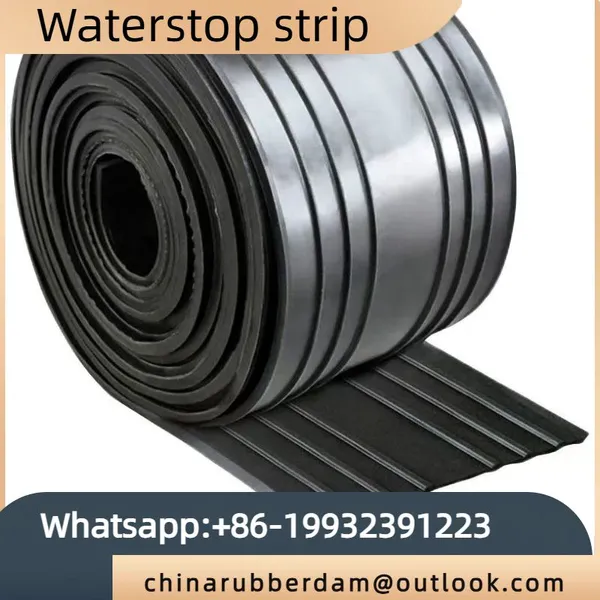
Steel Edge Rubber Waterstop Manufacturer in Stock, Wholesale in Large Quantities, With Good Sealing and Detachable Rubber WaterstopUS$ 50 - 79MOQ: 100 Meters
-
Construction of Water Injection Rubber Dam Factory, River Interception Dam, Gas Shield Dam Interception Dam ProjectUS$ 5200 - 6500MOQ: 1 Bag
-
Slope Pillow Type Water Filled Rubber Dam Construction Rubber Dam Solid FactoryUS$ 5199 - 6500MOQ: 1 Bag
-
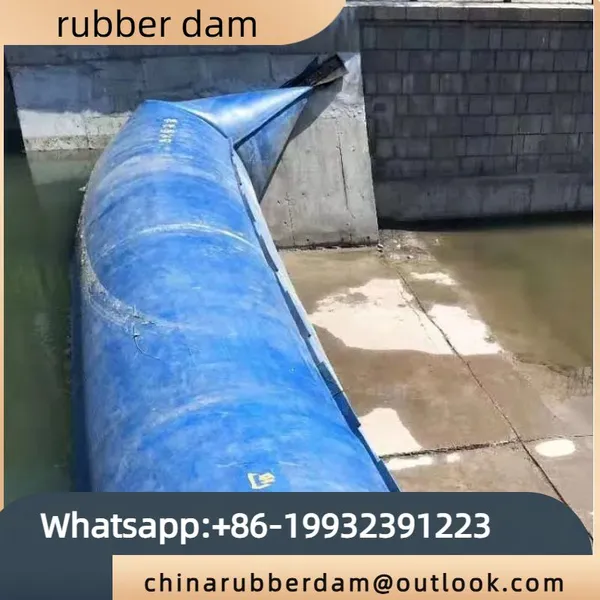
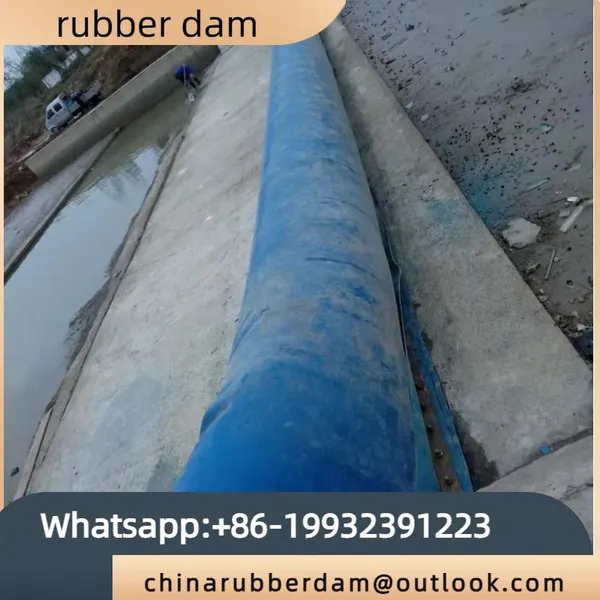
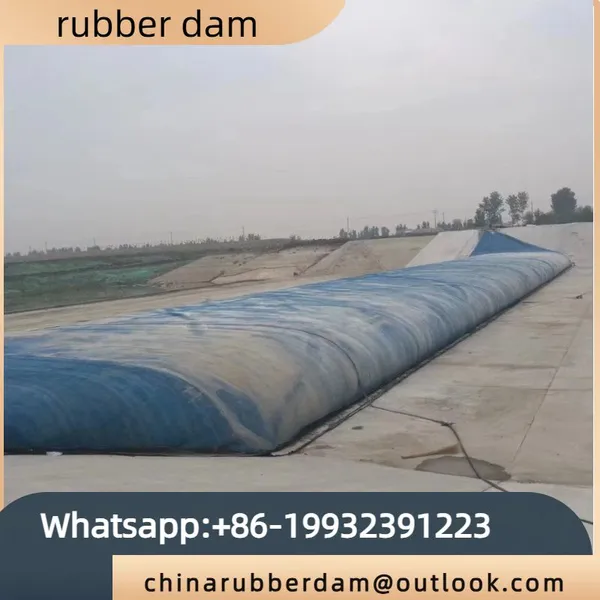
New Rubber Dam Garden Style Dam, Simple Dam, Automatic Lifting Rolling Dam, in StockUS$ 5200 - 6499MOQ: 1 Bag
-
Customized Automatic Lifting Dam for Horizontal Steel Dam Under Hydraulic Supply, River Interception, Water StorageUS$ 5200 - 6600MOQ: 1 Bag
-
Large Supply of Inflatable Rubber Dams for River and Water Interception Without Overlapping JointsUS$ 5200 - 6500MOQ: 1 Bag
-
Repair and Replace Small River Flood Prevention and Control Dams, Air Shield Dams, Seamless Overlapping Rubber DamsUS$ 5200 - 6500MOQ: 1 Bag
-
Factory Sales of Slope Type Water Filled Rubber Dam. Chinese Strong Merchants Can Customize According to Their PicturesUS$ 5200 - 6500MOQ: 1 Bag
-
The Manufacturer Supplies a Large Number of ZSZ Type Water Gates, Bi-directional Water Gates, Stainless Steel Gates, and Various Types of GatesUS$ 1000 - 1201MOQ: 10 Pairs