Hengshui Aiye Machinery Equipment Co., Ltd.
 Business License
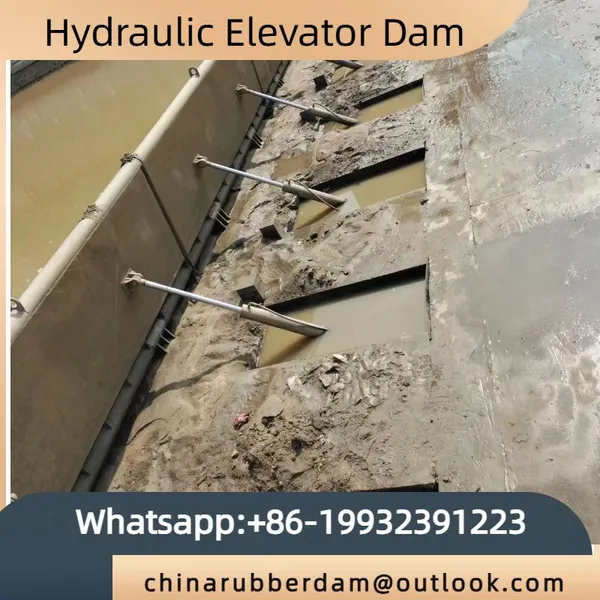
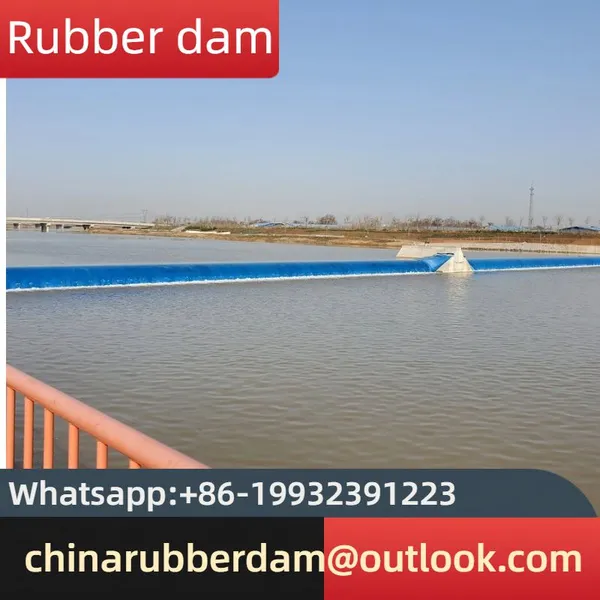
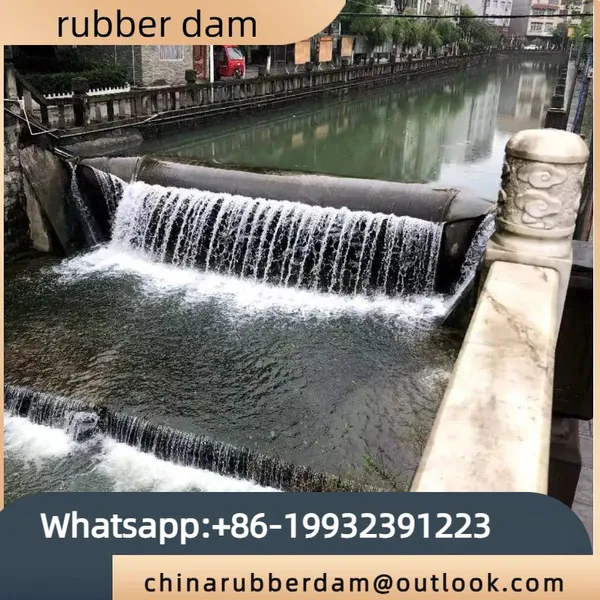
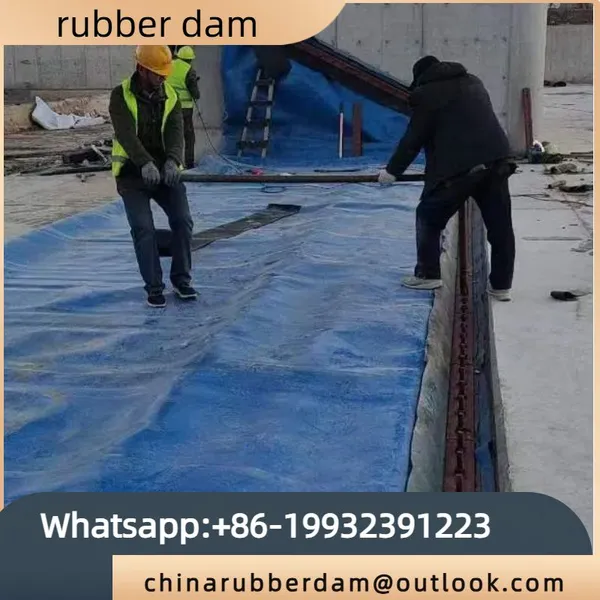
Main Products: rubber dam, Inflatable rubber dams, Hydraulic elevator dam, Cast iron gates

Water Stop Steel Plate: Material and Applications
Mrs. Wendy
June 26, 2025
Introduction
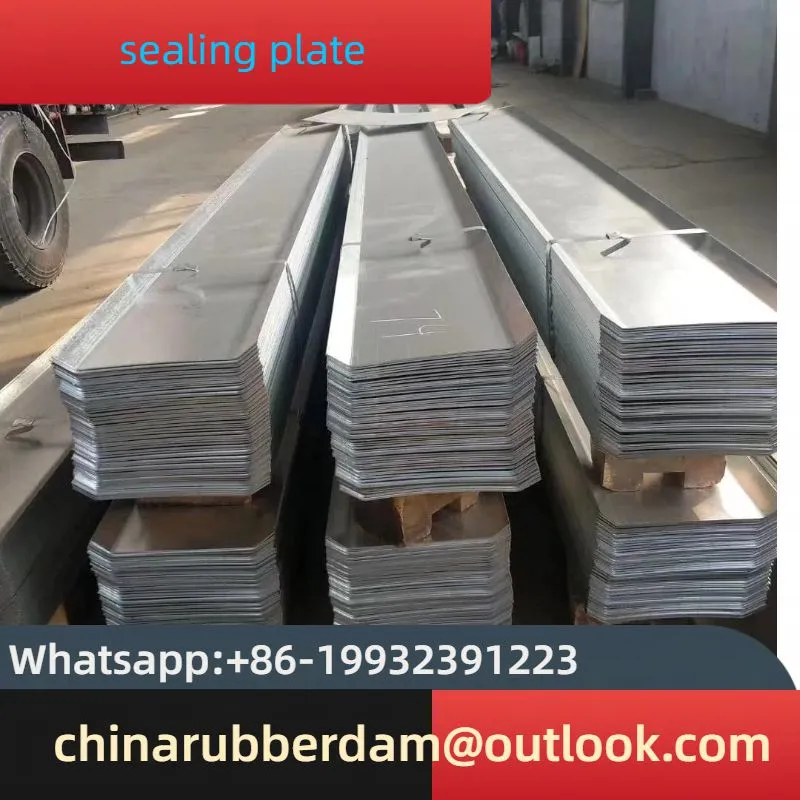
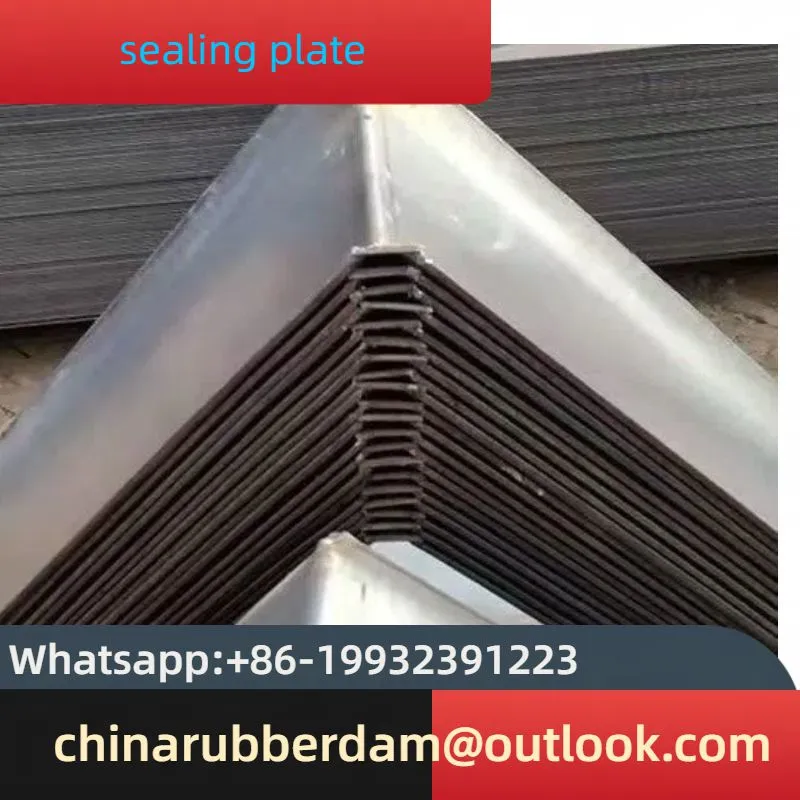
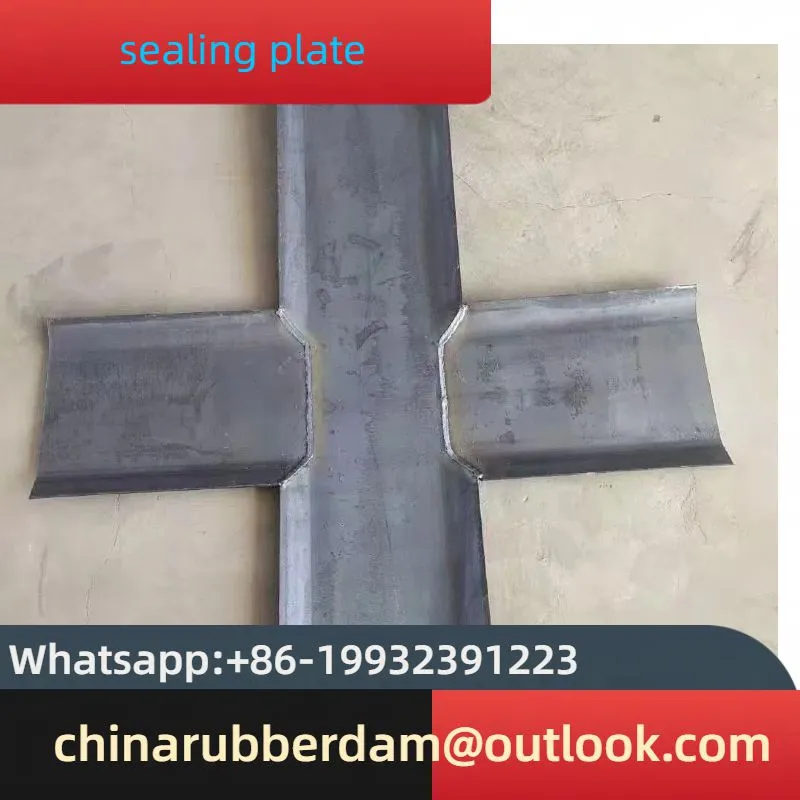
Water stop steel plate, also known as steel water stop, steel water bar, or anti - seepage steel strip, is a crucial structural waterproofing material. It is widely used in the construction industry, especially in projects where preventing water leakage is of utmost importance. This article will delve into the material properties and various applications of water stop steel plates.
Material of Water Stop Steel Plate
Base Material
Generally, water stop steel plates are made from cold - rolled plates as the base material. Cold - rolled plates offer the advantage of having a more uniform thickness compared to hot - rolled plates. This uniformity is essential as it ensures consistent performance in terms of water resistance. The most commonly used grades of steel for water stop steel plates are Q235 and Q345. Q235 carbon steel is widely applied in general construction projects due to its good comprehensive mechanical properties and relatively low cost. Q345 high - strength steel, on the other hand, is preferred for high - load structures such as bridges and dams, as it can withstand greater stress.
Surface Treatment
Galvanization
Galvanized water stop steel plates are quite common. The galvanization process involves coating the steel plate with a layer of zinc. This zinc coating, typically with a thickness of 80 - 120 μm (in accordance with ISO 1461), serves as a sacrificial anode. In the event of exposure to a corrosive environment, the zinc corrodes first, protecting the underlying steel from rust and corrosion. Galvanized water stop steel plates are suitable for general underground structures like basements and tunnels, where they can effectively resist the corrosion caused by moisture in the soil.
Epoxy Coating
For high - load structures in more demanding environments, water stop steel plates may be epoxy - coated. Epoxy coatings provide an additional layer of protection against corrosion, wear, and chemical attack. The epoxy resin forms a tough, durable film on the surface of the steel plate, enhancing its resistance to harsh conditions. This makes epoxy - coated water stop steel plates ideal for applications in areas with high humidity, chemical pollutants, or where long - term durability is crucial.
Stainless Steel
In highly corrosive environments such as coastal areas or chemical plants, 304/316 stainless steel water stop steel plates are used. Stainless steel contains alloying elements like chromium, nickel, and molybdenum, which react with oxygen in the air to form a passive oxide film on the surface. This film is highly resistant to corrosion, ensuring the long - term integrity of the water stop steel plate even in the presence of saltwater, chemicals, or other corrosive substances.
Applications of Water Stop Steel Plate
Underground Structures
Basements
In the construction of basements, water stop steel plates play a vital role in preventing water seepage. Basements are often located below the water table, making them vulnerable to water ingress. Water stop steel plates are installed at construction joints, which are the interfaces between successive pours of concrete. By blocking the seepage paths, they keep the basement dry, protecting the building's structure and any stored items from water damage.
Tunnels and Subways
Tunnels and subways are also prime applications for water stop steel plates. These structures are constantly in contact with the surrounding soil and groundwater. Water stop steel plates are embedded across the construction joints in tunnel linings and subway station walls. They prevent water from infiltrating the tunnel, which could otherwise lead to corrosion of the reinforcement bars, reduced structural integrity, and operational problems such as slippery tracks in subways.
Water - Retaining Structures
Dams and Reservoirs
Dams and reservoirs are large - scale water - retaining structures. The use of water stop steel plates at construction joints and contraction joints in dams is essential to maintain the integrity of the structure and prevent water leakage. The high - strength steel plates can withstand the significant water pressure exerted on the dam and ensure that the water is contained within the reservoir, preventing seepage that could potentially lead to structural failure.
Water Tanks
Water tanks, whether for industrial or domestic use, require effective waterproofing. Water stop steel plates are installed at the joints of the tank walls and bottom to prevent water from leaking out. This ensures the proper storage of water and helps to maintain the functionality of the tank.
Other Applications
Retaining Walls
Retaining walls are used to hold back soil and prevent slope failures. In areas where there is a high water table or significant rainfall, water stop steel plates can be installed at the joints of retaining walls. This helps to prevent water from seeping through the joints and weakening the soil behind the wall, thus maintaining the stability of the retaining wall.
Sewage Treatment Plants
Sewage treatment plants deal with large volumes of wastewater, which may contain corrosive substances. Water stop steel plates are used in the construction of the various tanks and channels within the treatment plant. Their corrosion - resistant properties, especially when made of stainless steel or properly coated steel, ensure that the structures remain watertight and functional over time, despite exposure to the harsh sewage environment.
Conclusion
Water stop steel plates are an essential component in modern construction, particularly in projects where waterproofing and durability are critical. Their diverse material options, including different base steels and surface treatments, allow for customization to suit various construction environments. Whether in underground structures, water - retaining structures, or other applications, water stop steel plates effectively prevent water leakage, protecting the integrity of the building and ensuring its long - term performance.
Share
Recently Posted
-
Steel and Copper Plates Play Key Roles in Architectural Waterproofing
June 26, 2025In the realm of construction, ensuring effective waterproofing is of utmost importance. Steel and copper plates have emerged as cr Read More
 -
Installation Steps and Precautions of Gabion Nets
June 26, 2025In recent infrastructure and environmental protection projects, gabion nets have emerged as a popular choice due to their durabili Read More
 -
Applications of Gabion Mesh: Protecting and Enhancing the Environment
June 26, 2025In recent years, gabion mesh has emerged as a versatile and effective solution for a wide range of applications, particularly in t Read More
 -
Here is a sample introduction to bridge rubber bearings
June 26, 2025Bridge rubber bearings are essential components in bridge engineering, playing a crucial role in ensuring the safety and normal op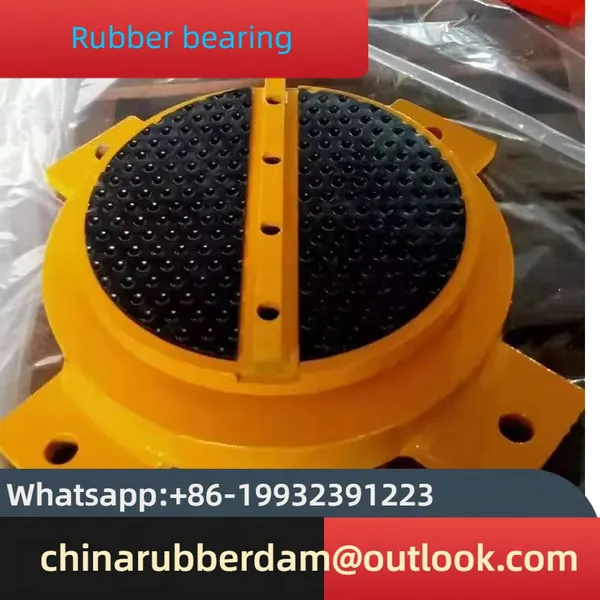 Read More

Contact Us
Recommended Products
-
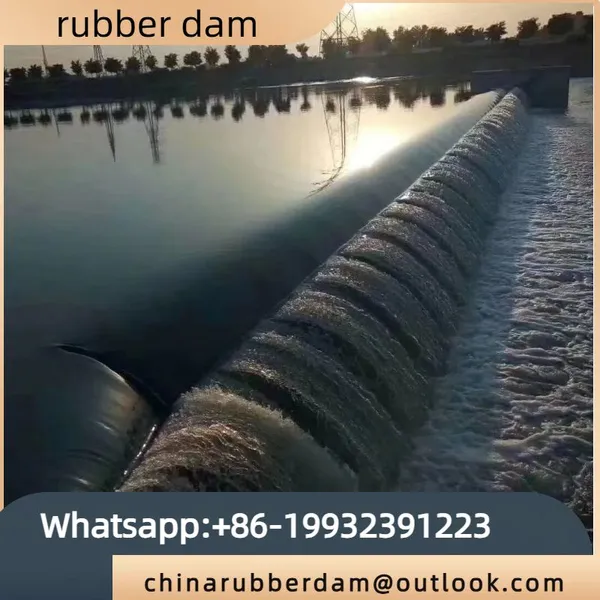
 River Water Storage Landscape Rubber Sluice Bag Rubber Dam Water Filling River Blocking Dam Embankment Inflatable DamUS$ 5200 - 6500MOQ: 1 Bag
 -
Small Rubber Dam Slope Inflatable Landscape Dam Can be CustomizedUS$ 5200 - 6500MOQ: 1 Bag
-
Whole Slope Landscape Ecological Rubber Dam Spot Circular Rubber DamUS$ 5200 - 6500MOQ: 1 Bag
-
Customized Production of Book Style Inflatable Flood Control Dam, Retaining Dam, Steel Wire Boneless Rubber DamUS$ 5201 - 6500MOQ: 1 Bag
-
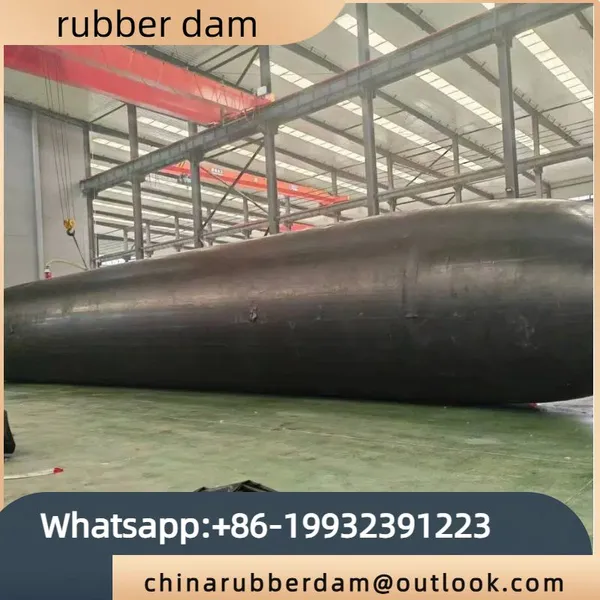
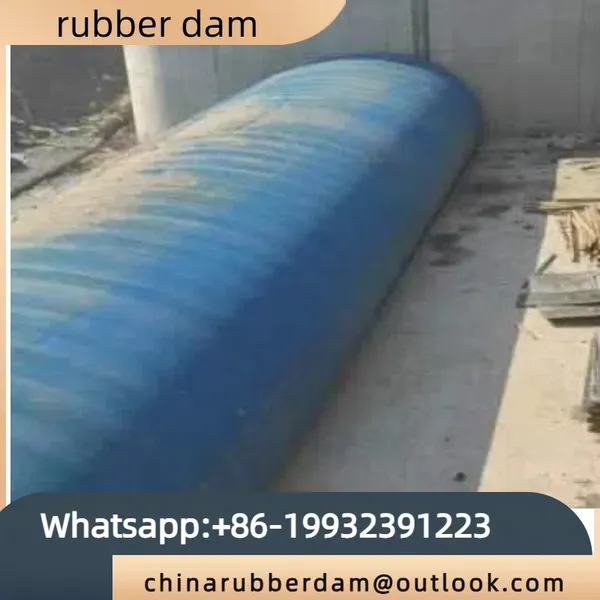
Small Inflatable Rubber Dam Water Injection Rubber Dam Bag Dam Source ManufacturerUS$ 5201 - 6500MOQ: 1 Bag

-
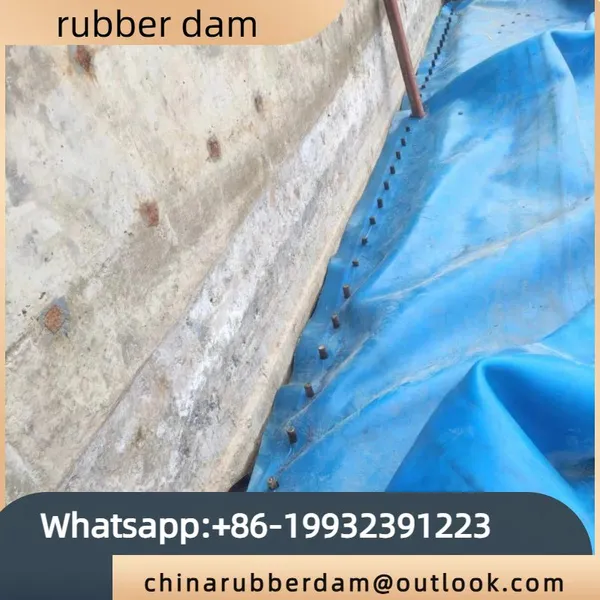
Supply Rubber Dam With Dam, Inflatable Dam for Sale in StockUS$ 5200 - 6500MOQ: 1 Bag
-
Large Scale Hydraulic Engineering Hydraulic Steel Dam Landscape Hydraulic Dam in Hebei, China, Replica Steel Gate Rubber Dam for Retaining DamUS$ 5200 - 6500MOQ: 1 Bag
-
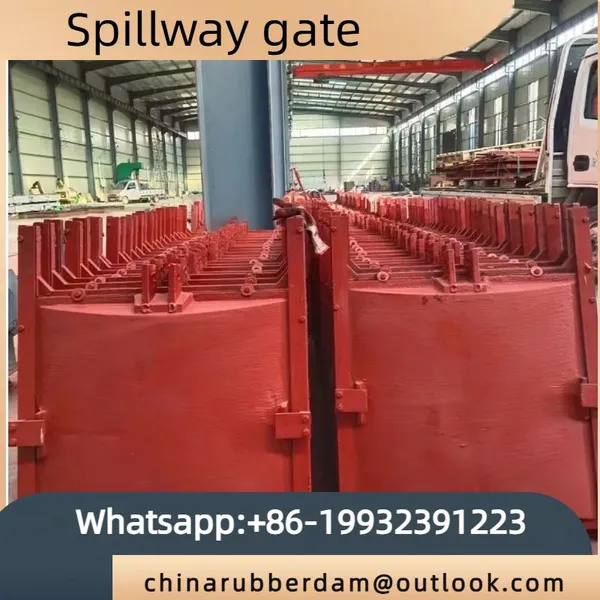
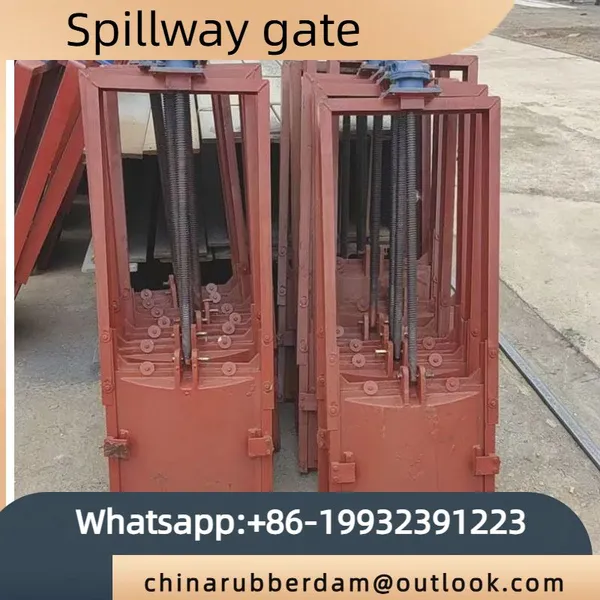
Cast Iron Square Gate/Source Manufacturer Cast Iron Gate SFZ-2000x2000 Matched With Electric Hoist Screw RodUS$ 999 - 1200MOQ: 10 Pairs
-
Steel Gate Source Manufacturer Supplies Stainless Steel Gate ZSZ-2400x2400 Water Stop GateUS$ 999 - 1200MOQ: 10 Pairs
-
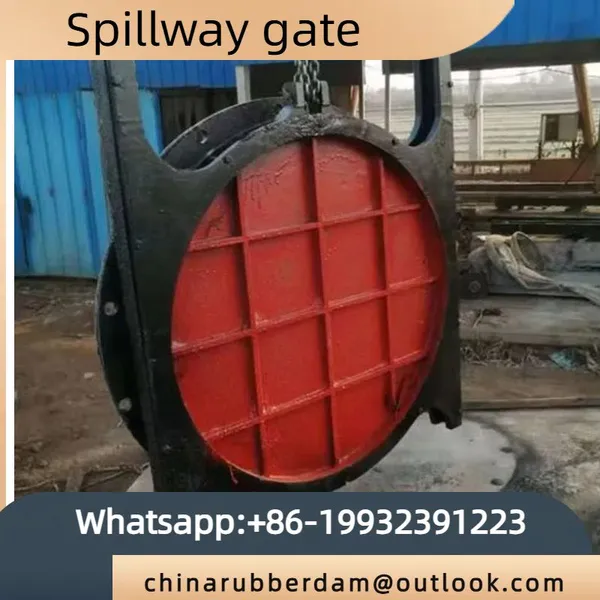
Round Copper Inlaid Cast Iron Gate/Manufacturer Produces Concealed Cast Iron Gate AYZ500 Hoist Cast Iron GateUS$ 999 - 1200MOQ: 10 Pairs
-
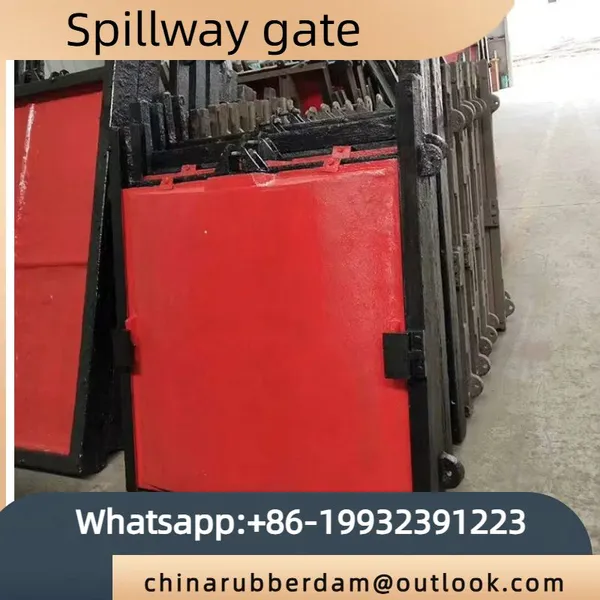
Stainless Steel Gate Manufacturer Produces ZSZ Type Water Stop Gate, Two-way Water Control Gate, Customized in Hebei, ChinaUS$ 999 - 1200MOQ: 10 Pairs
-
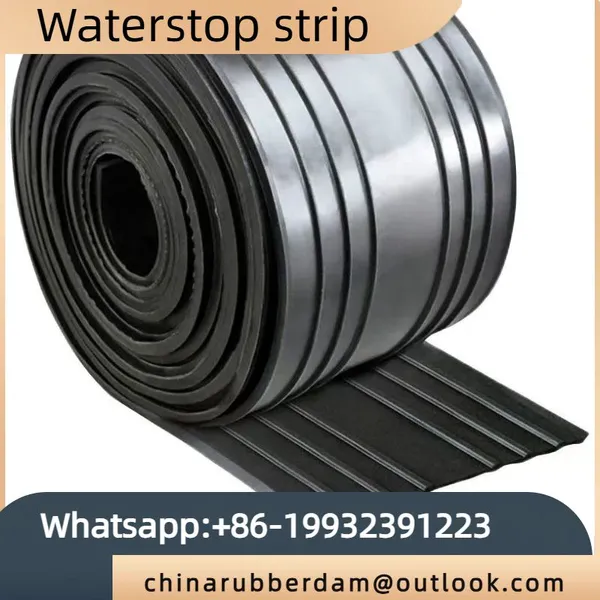
Steel Edge Rubber Waterstop Manufacturer in Stock, Wholesale in Large Quantities, With Good Sealing and Detachable Rubber WaterstopUS$ 50 - 79MOQ: 100 Meters
-
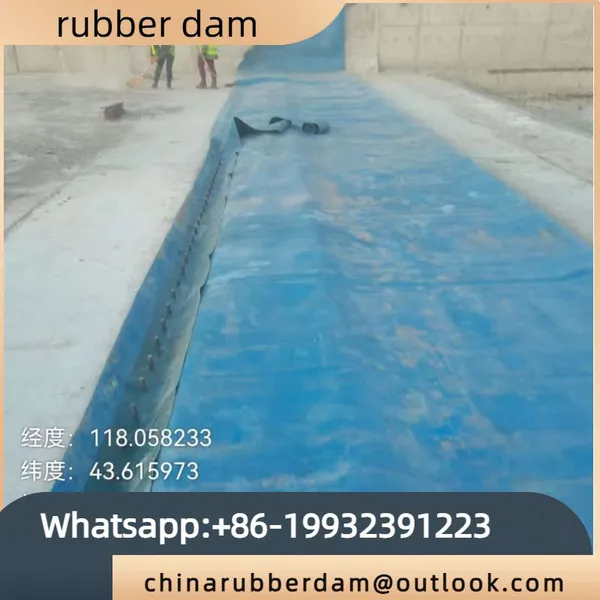
Construction of Water Injection Rubber Dam Factory, River Interception Dam, Gas Shield Dam Interception Dam ProjectUS$ 5200 - 6500MOQ: 1 Bag
-
Slope Pillow Type Water Filled Rubber Dam Construction Rubber Dam Solid FactoryUS$ 5199 - 6500MOQ: 1 Bag
-
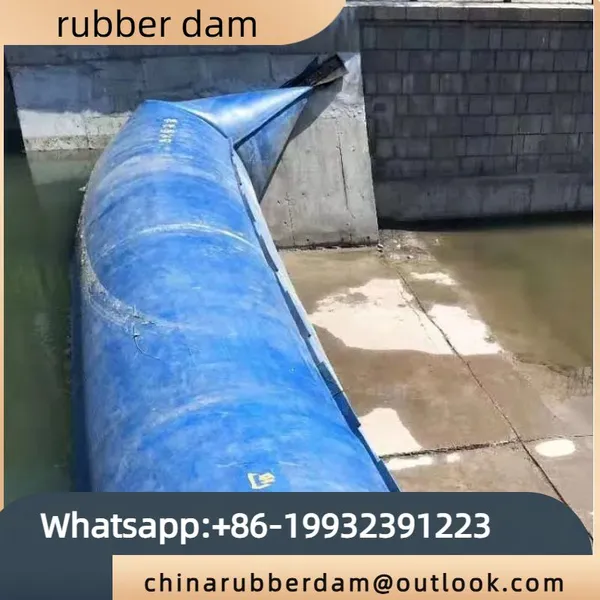
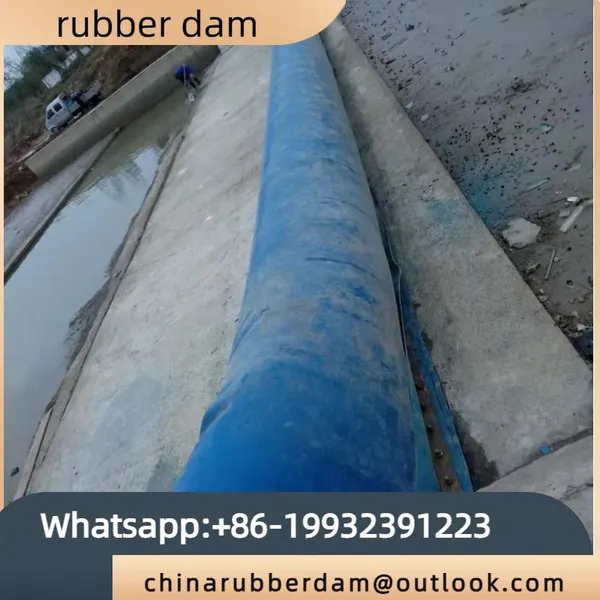
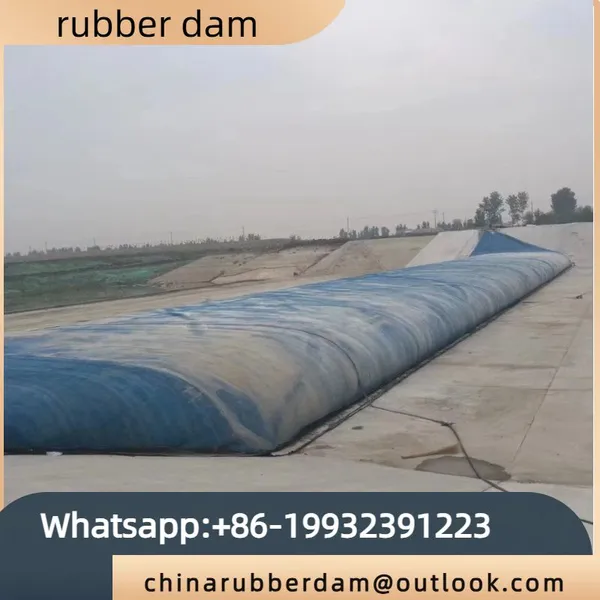
New Rubber Dam Garden Style Dam, Simple Dam, Automatic Lifting Rolling Dam, in StockUS$ 5200 - 6499MOQ: 1 Bag
-
Customized Automatic Lifting Dam for Horizontal Steel Dam Under Hydraulic Supply, River Interception, Water StorageUS$ 5200 - 6600MOQ: 1 Bag
-
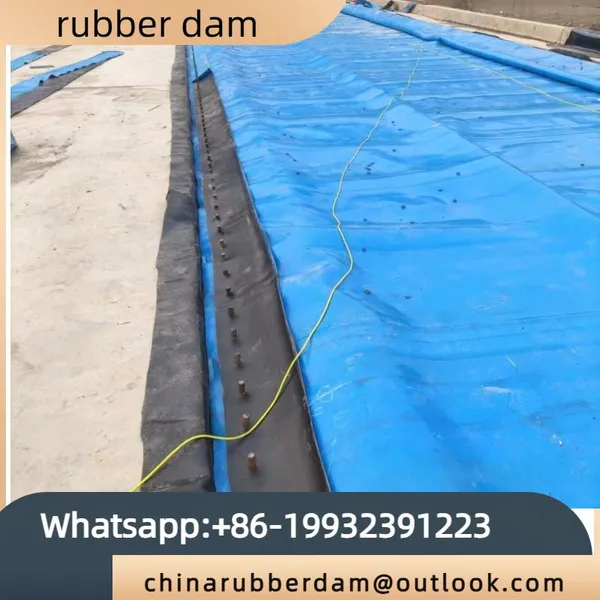
Large Supply of Inflatable Rubber Dams for River and Water Interception Without Overlapping JointsUS$ 5200 - 6500MOQ: 1 Bag
-
Repair and Replace Small River Flood Prevention and Control Dams, Air Shield Dams, Seamless Overlapping Rubber DamsUS$ 5200 - 6500MOQ: 1 Bag
-
Factory Sales of Slope Type Water Filled Rubber Dam. Chinese Strong Merchants Can Customize According to Their PicturesUS$ 5200 - 6500MOQ: 1 Bag
-
The Manufacturer Supplies a Large Number of ZSZ Type Water Gates, Bi-directional Water Gates, Stainless Steel Gates, and Various Types of GatesUS$ 1000 - 1201MOQ: 10 Pairs