 Business License

What are the main applications of rubber dams in?
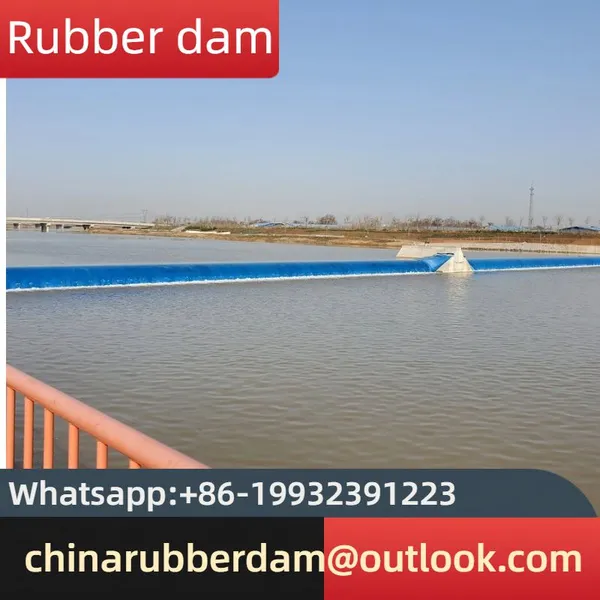
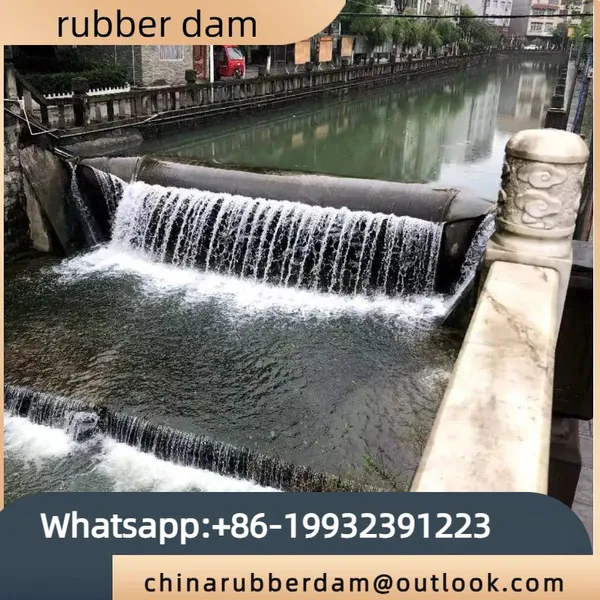
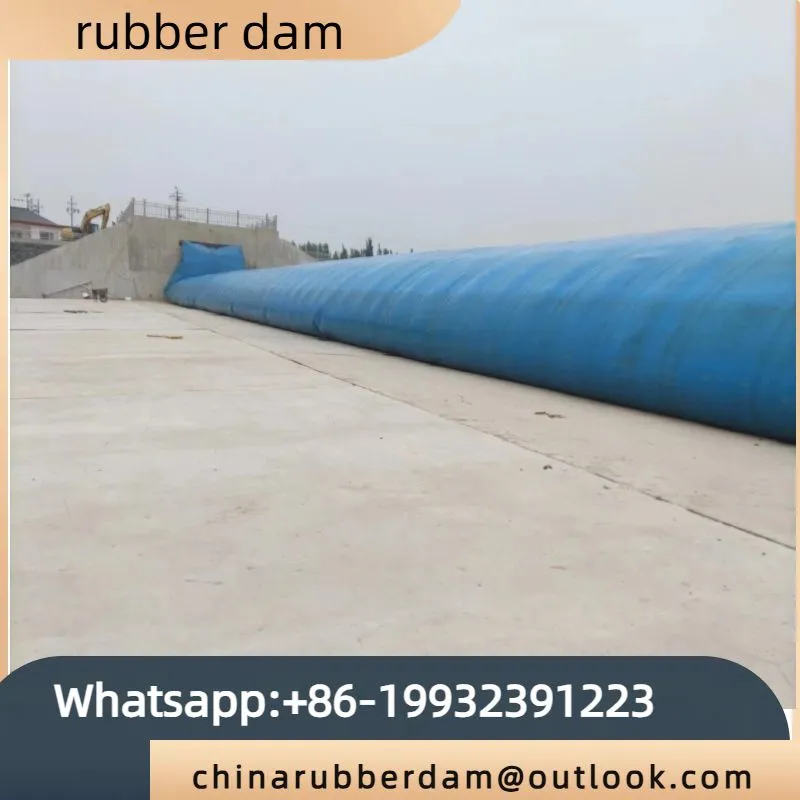
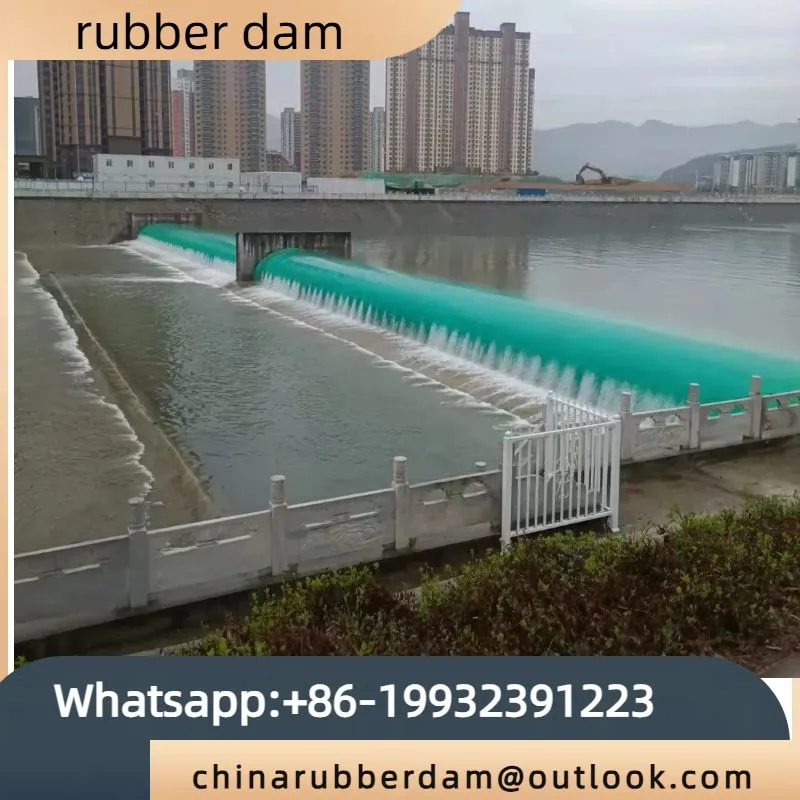
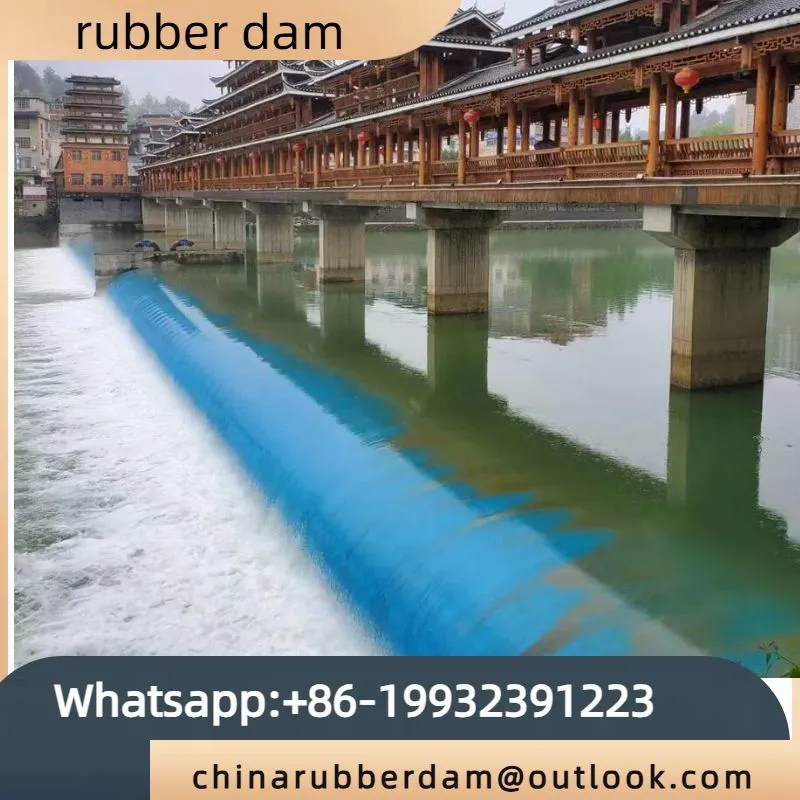
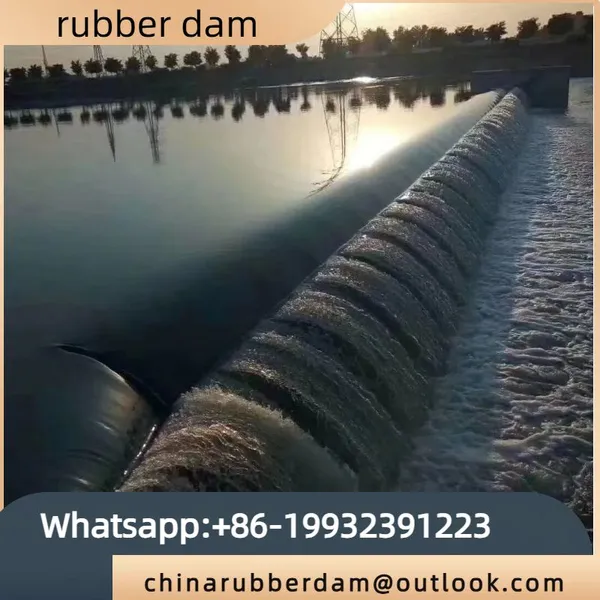
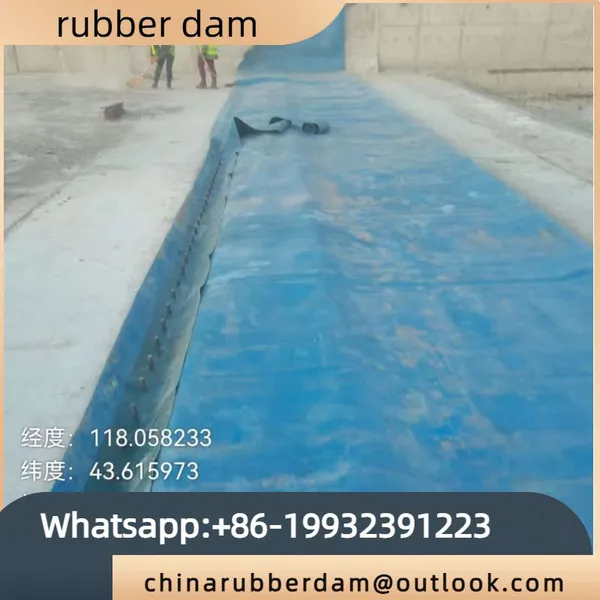
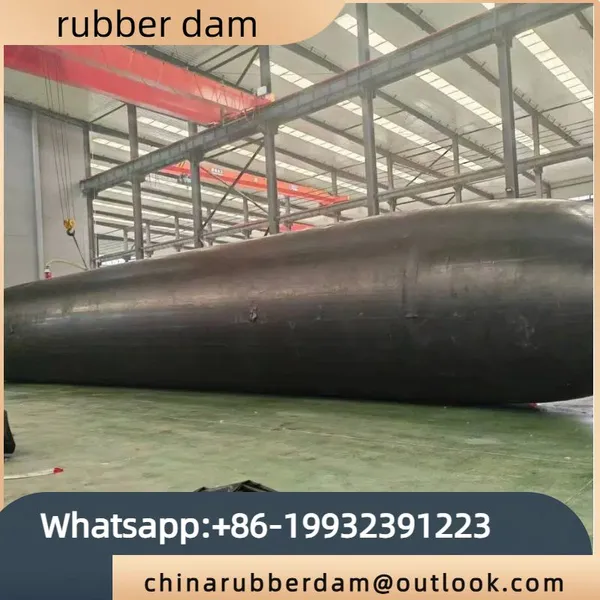
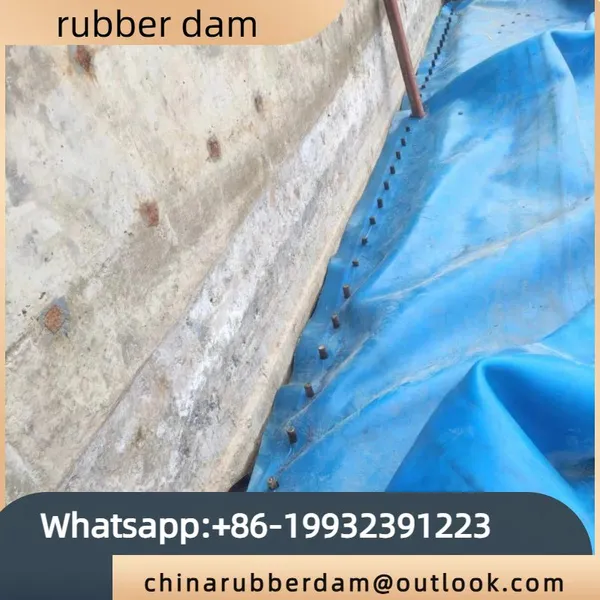
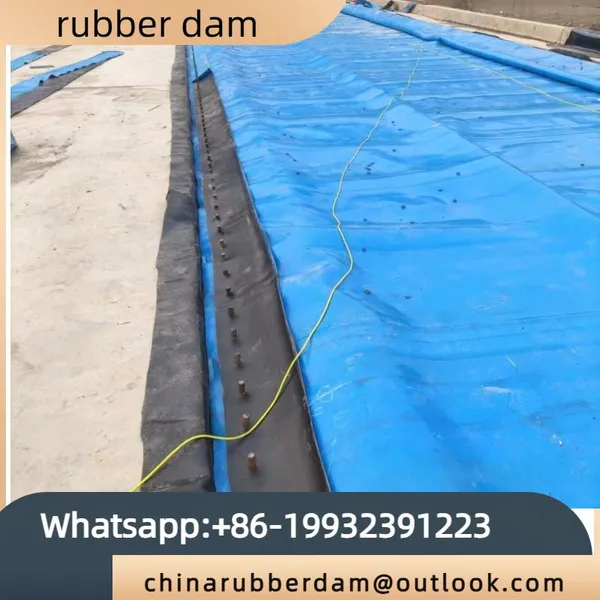
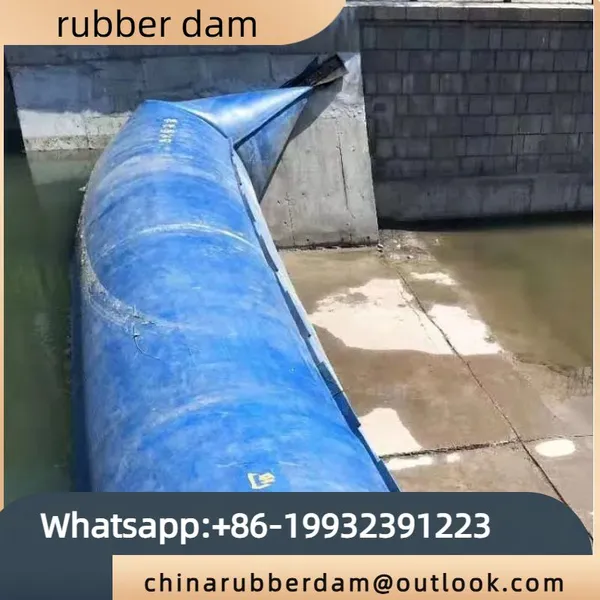
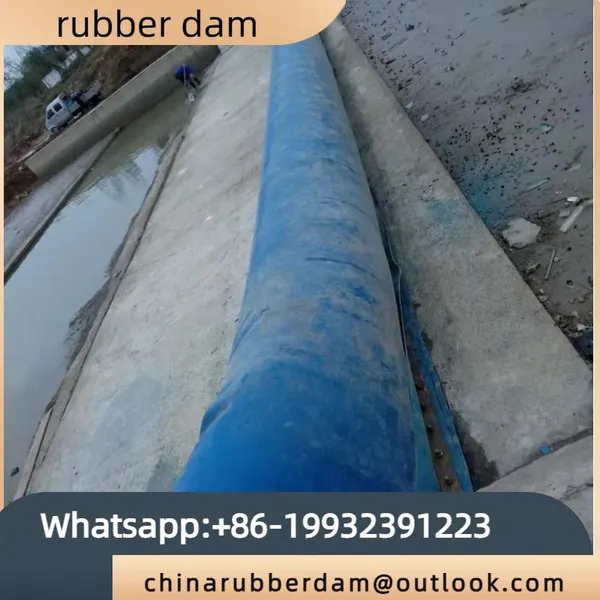
Rubber dam, as a flexible dam body with rubber film bags as the water retaining structure, has been widely used in various fields due to its flexible adjustment of water level and convenient construction, as follows:
1、 Water conservancy engineering field
River water level regulation
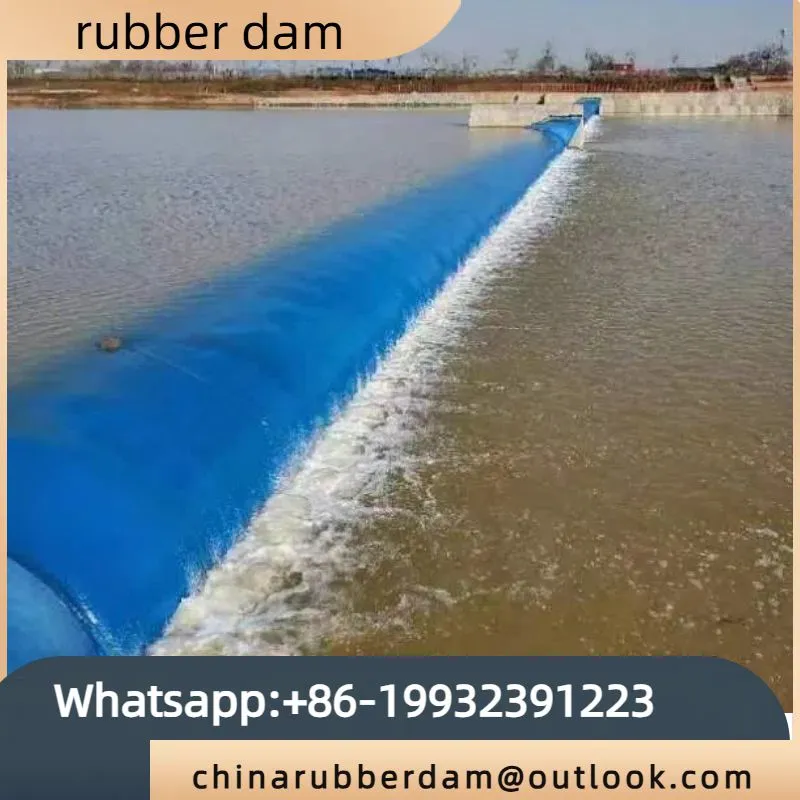
Used for water level control of urban inland rivers and small and medium-sized rivers, by adjusting the height of the dam body through filling and drainage, achieving dual functions of flood control and drought resistance. For example, during the rainy season, the flood discharge of the dam can be reduced, while during the dry season, the water level can be raised to ensure downstream water supply.
Reservoir and Irrigation Area Water Storage
In small and medium-sized reservoirs or irrigation areas, as an auxiliary water retaining structure, it supplements the water storage capacity of traditional rigid dams, especially suitable for scenarios that require frequent adjustment of water volume (such as farmland irrigation and ecological water replenishment).
Shipping and Water Conservancy Hub
Raise the water level in shallow river channels to improve navigation conditions; Or as part of a water conservancy hub, it can be used in conjunction with other dam bodies to achieve comprehensive utilization of water resources.
2、 Urban municipal and landscape fields
Construction of urban landscape water system
In parks, waterfront scenic areas, or urban rivers, artificial lake or waterfall landscapes are formed through rubber dams to enhance urban ecology and landscape effects (such as the Tongzhou Grand Canal landscape belt in Beijing and the Suzhou River landscape renovation in Shanghai).
Ecological restoration and water environment governance
Used to restore the ecological flow of rivers, maintain the self purification capacity of water bodies, improve the ecological environment of black and odorous water bodies or dry rivers, and provide habitats for aquatic organisms.
3、 Agriculture and Irrigation Fields
farmland irrigation projects
In rural rivers or irrigation systems, rubber dams can intercept water flow, raise water levels, and allow water sources to flow naturally to irrigate farmland, reducing the energy consumption of pumping stations. They are particularly suitable for decentralized irrigation in hilly or plain areas.
Fishery aquaculture assistance
Build rubber dams around lakes and reservoirs to create controllable aquaculture areas, regulate water levels to meet the growth needs of fish, and facilitate management and fishing.
4、 Industrial and special scenario applications
Industrial water reserve
Provide stable water reserves for factories, mining areas, etc., regulate water volume through rubber dams, and meet production water needs (such as cooling water and process water).
Emergency flood control and rescue
As a temporary flood control facility, it can quickly fill the dam and block water during flood warning, assisting traditional embankments in resisting floods, especially suitable for emergency scenarios that require rapid deployment.
5、 Environmental Protection and Ecology
Wetland protection and restoration
In the wetland reserve, a rubber dam is used to maintain a stable water level, simulate natural hydrological conditions, and protect wetland ecosystems and migratory bird habitats (such as coastal wetlands and inland marsh wetlands).
Groundwater recharge
In groundwater overexploitation areas, rubber dams are used to retain surface water, and groundwater is replenished through infiltration to alleviate land subsidence problems.
Advantages and limitations of rubber dam application
Advantages: Low construction cost, short construction period, reusable, minimal environmental impact, and flexible adaptability to water level changes.
Limitations: Rubber materials have limited aging resistance (typically around 15-20 years of use) and require regular maintenance; Weak impact resistance, not suitable for rivers with high flow rates or high sediment content.
In summary, the application scenarios of rubber dams cover multiple fields from water conservancy and flood control to urban landscape, from agricultural irrigation to ecological protection. Its "flexible" characteristics make it a flexible solution in water resource management
Recently Posted
-
Water Stop Steel Plate: Material and Applications
June 26, 2025IntroductionWater stop steel plate, also known as steel water stop, steel water bar, or anti - seepage steel strip, is a crucial s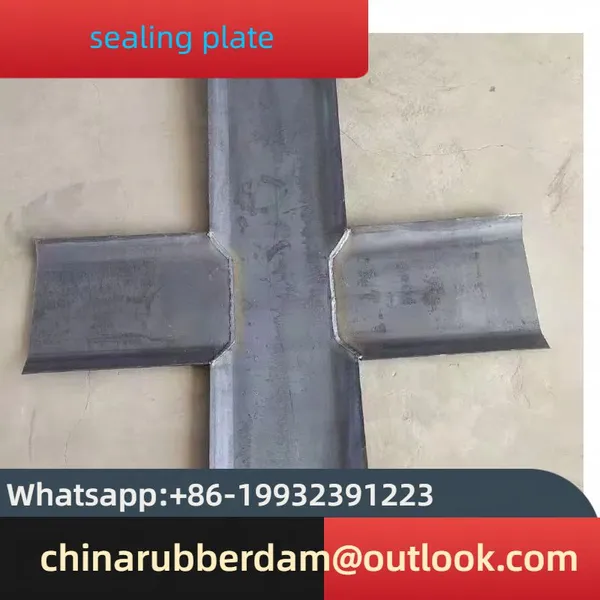 Read More
 -
Steel and Copper Plates Play Key Roles in Architectural Waterproofing
June 26, 2025In the realm of construction, ensuring effective waterproofing is of utmost importance. Steel and copper plates have emerged as cr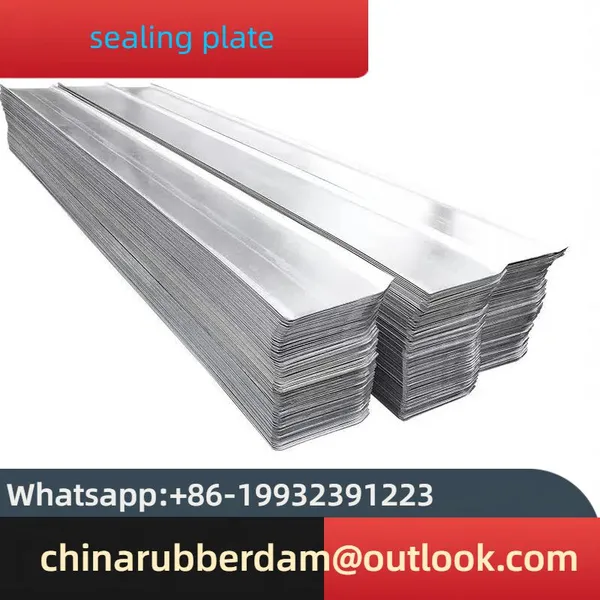 Read More
 -
Installation Steps and Precautions of Gabion Nets
June 26, 2025In recent infrastructure and environmental protection projects, gabion nets have emerged as a popular choice due to their durabili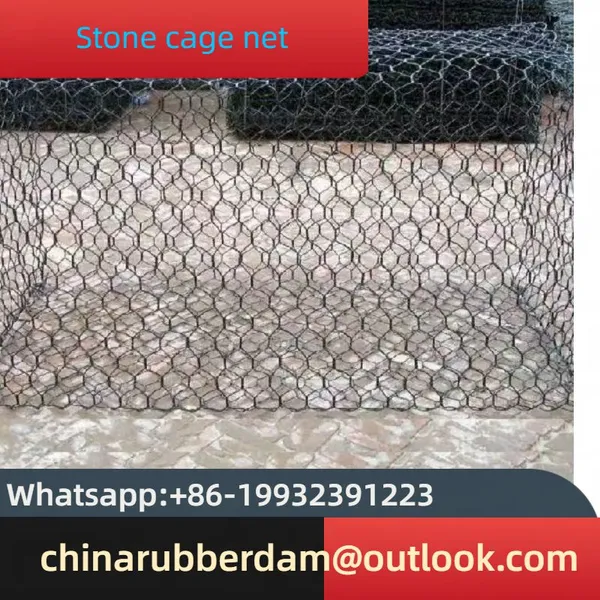 Read More
 -
Applications of Gabion Mesh: Protecting and Enhancing the Environment
June 26, 2025In recent years, gabion mesh has emerged as a versatile and effective solution for a wide range of applications, particularly in t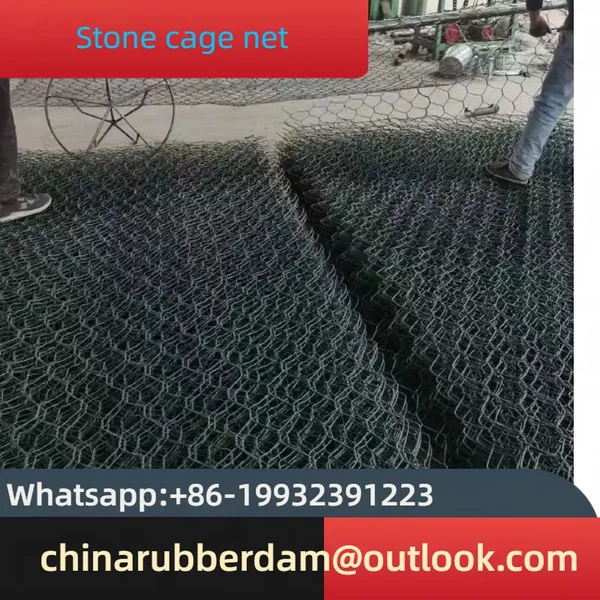 Read More

Contact Us
Recommended Products
-
 River Water Storage Landscape Rubber Sluice Bag Rubber Dam Water Filling River Blocking Dam Embankment Inflatable DamUS$ 5200 - 6500MOQ: 1 Bag
 -
Small Rubber Dam Slope Inflatable Landscape Dam Can be CustomizedUS$ 5200 - 6500MOQ: 1 Bag
-
Whole Slope Landscape Ecological Rubber Dam Spot Circular Rubber DamUS$ 5200 - 6500MOQ: 1 Bag
-
Customized Production of Book Style Inflatable Flood Control Dam, Retaining Dam, Steel Wire Boneless Rubber DamUS$ 5201 - 6500MOQ: 1 Bag
-
Small Inflatable Rubber Dam Water Injection Rubber Dam Bag Dam Source ManufacturerUS$ 5201 - 6500MOQ: 1 Bag

-
Supply Rubber Dam With Dam, Inflatable Dam for Sale in StockUS$ 5200 - 6500MOQ: 1 Bag
-
Large Scale Hydraulic Engineering Hydraulic Steel Dam Landscape Hydraulic Dam in Hebei, China, Replica Steel Gate Rubber Dam for Retaining DamUS$ 5200 - 6500MOQ: 1 Bag
-
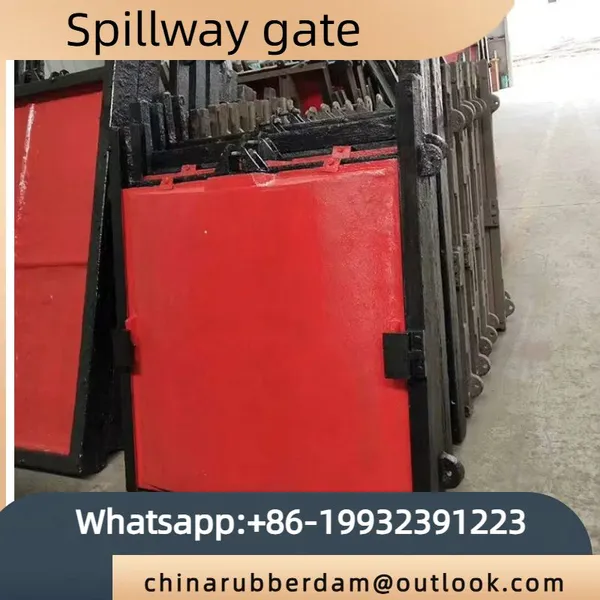
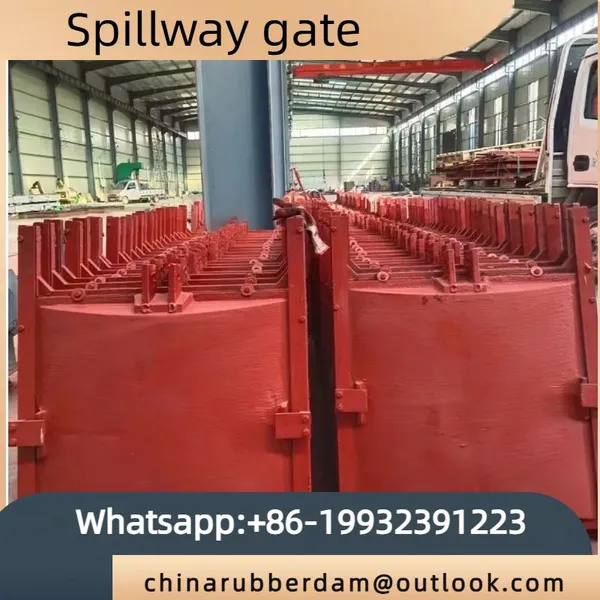
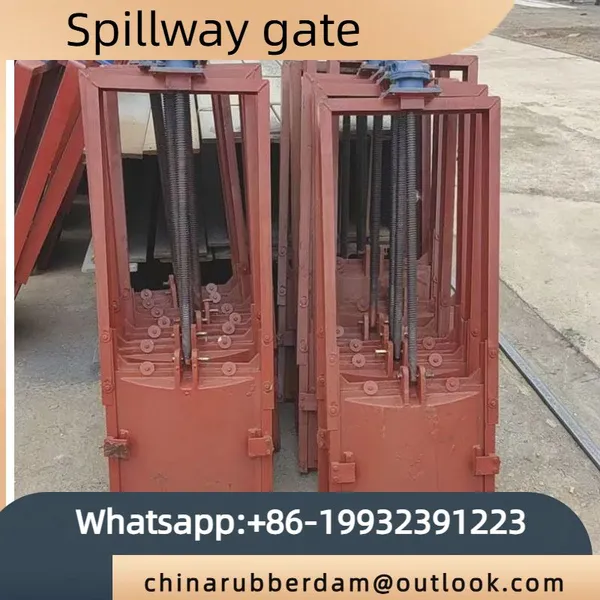
Cast Iron Square Gate/Source Manufacturer Cast Iron Gate SFZ-2000x2000 Matched With Electric Hoist Screw RodUS$ 999 - 1200MOQ: 10 Pairs
-
Steel Gate Source Manufacturer Supplies Stainless Steel Gate ZSZ-2400x2400 Water Stop GateUS$ 999 - 1200MOQ: 10 Pairs
-
Round Copper Inlaid Cast Iron Gate/Manufacturer Produces Concealed Cast Iron Gate AYZ500 Hoist Cast Iron GateUS$ 999 - 1200MOQ: 10 Pairs
-
Stainless Steel Gate Manufacturer Produces ZSZ Type Water Stop Gate, Two-way Water Control Gate, Customized in Hebei, ChinaUS$ 999 - 1200MOQ: 10 Pairs
-
Steel Edge Rubber Waterstop Manufacturer in Stock, Wholesale in Large Quantities, With Good Sealing and Detachable Rubber WaterstopUS$ 50 - 79MOQ: 100 Meters
-
Construction of Water Injection Rubber Dam Factory, River Interception Dam, Gas Shield Dam Interception Dam ProjectUS$ 5200 - 6500MOQ: 1 Bag
-
Slope Pillow Type Water Filled Rubber Dam Construction Rubber Dam Solid FactoryUS$ 5199 - 6500MOQ: 1 Bag
-
New Rubber Dam Garden Style Dam, Simple Dam, Automatic Lifting Rolling Dam, in StockUS$ 5200 - 6499MOQ: 1 Bag
-
Customized Automatic Lifting Dam for Horizontal Steel Dam Under Hydraulic Supply, River Interception, Water StorageUS$ 5200 - 6600MOQ: 1 Bag
-
Large Supply of Inflatable Rubber Dams for River and Water Interception Without Overlapping JointsUS$ 5200 - 6500MOQ: 1 Bag
-
Repair and Replace Small River Flood Prevention and Control Dams, Air Shield Dams, Seamless Overlapping Rubber DamsUS$ 5200 - 6500MOQ: 1 Bag
-
Factory Sales of Slope Type Water Filled Rubber Dam. Chinese Strong Merchants Can Customize According to Their PicturesUS$ 5200 - 6500MOQ: 1 Bag
-
The Manufacturer Supplies a Large Number of ZSZ Type Water Gates, Bi-directional Water Gates, Stainless Steel Gates, and Various Types of GatesUS$ 1000 - 1201MOQ: 10 Pairs