Hengshui Aiye Machinery Equipment Co., Ltd.
 Business License
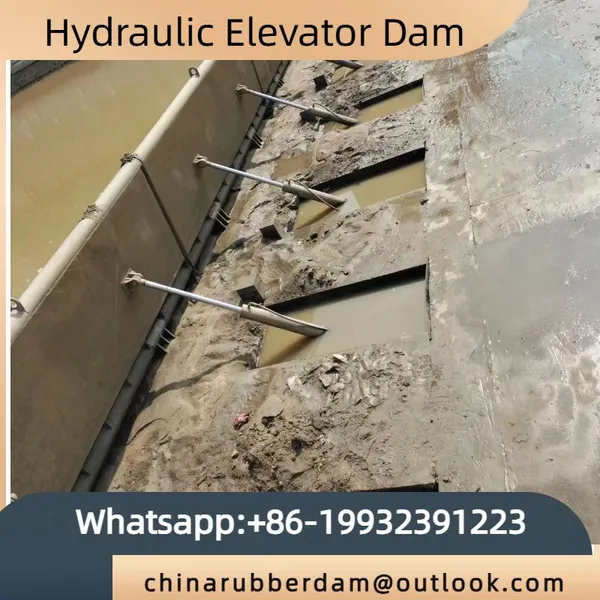
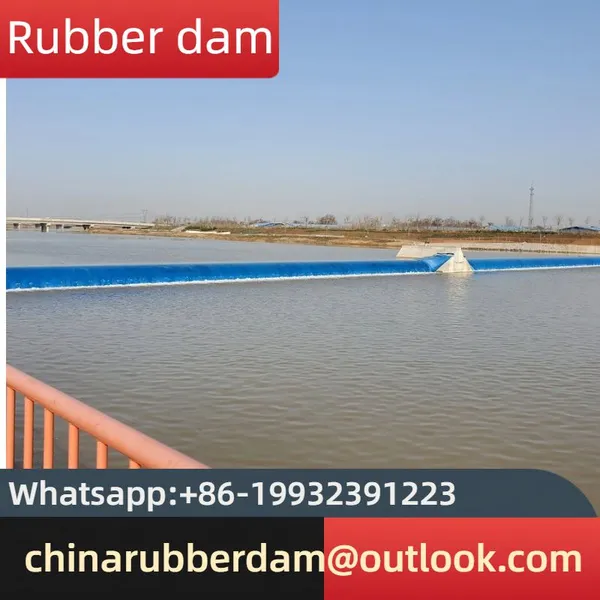
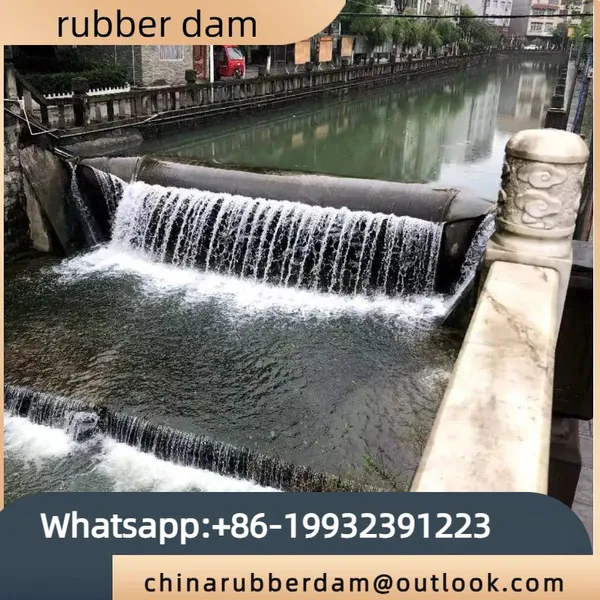
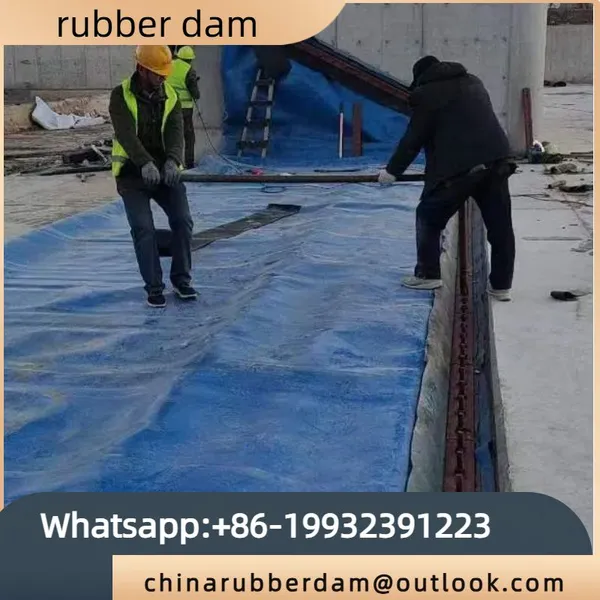
Main Products: rubber dam, Inflatable rubber dams, Hydraulic elevator dam, Cast iron gates

Sluice Gates: Materials and Applications
Mrs. Wendy
June 24, 2025
Sluice Gates: Materials and Applications
Sluice gates, essential components in water control systems, play a pivotal role in regulating water flow across diverse sectors. These structures are designed to manage water levels, control flood risks, and ensure efficient water distribution. This article delves into the various materials used in sluice gate construction and their wide - ranging applications.
Materials Used in Sluice Gates
Steel
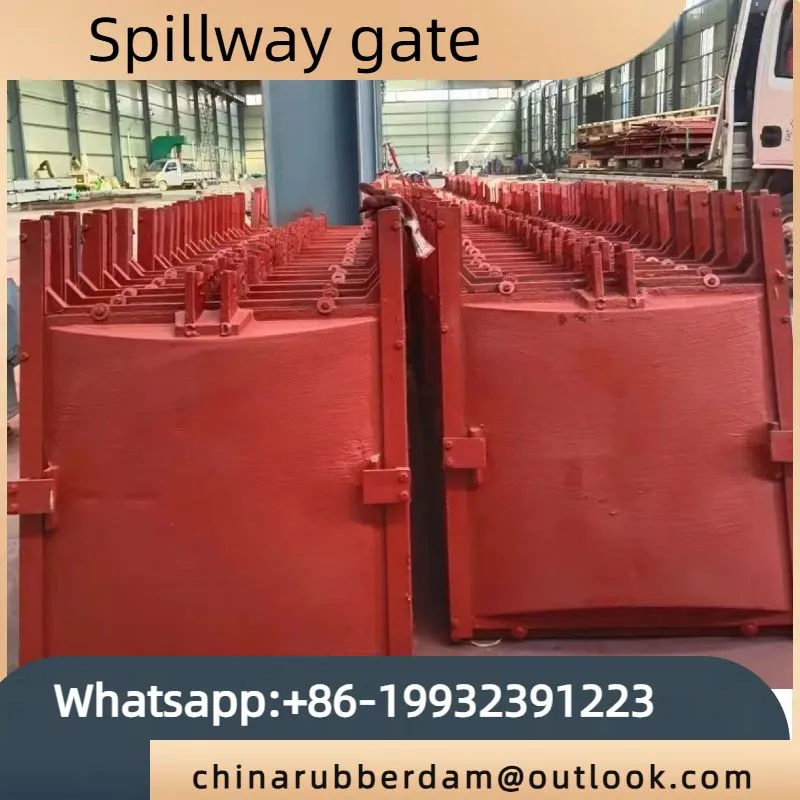
Steel is a popular choice for sluice gates due to its high strength and durability. Gates made of steel can withstand significant water pressure, making them suitable for large - scale water control projects such as dams and major irrigation canals. The material's malleability allows for the creation of complex shapes and designs, ensuring optimal functionality. Additionally, with proper corrosion - resistant coatings like galvanization or epoxy paint, steel gates can have a long lifespan even in harsh aquatic environments.
Cast Iron
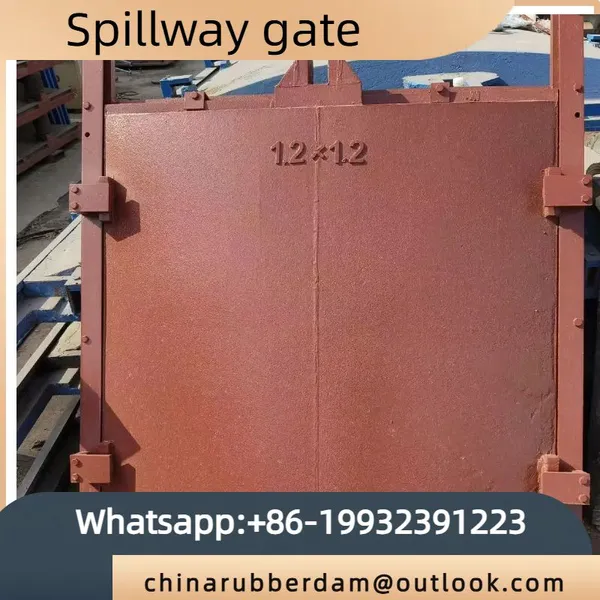
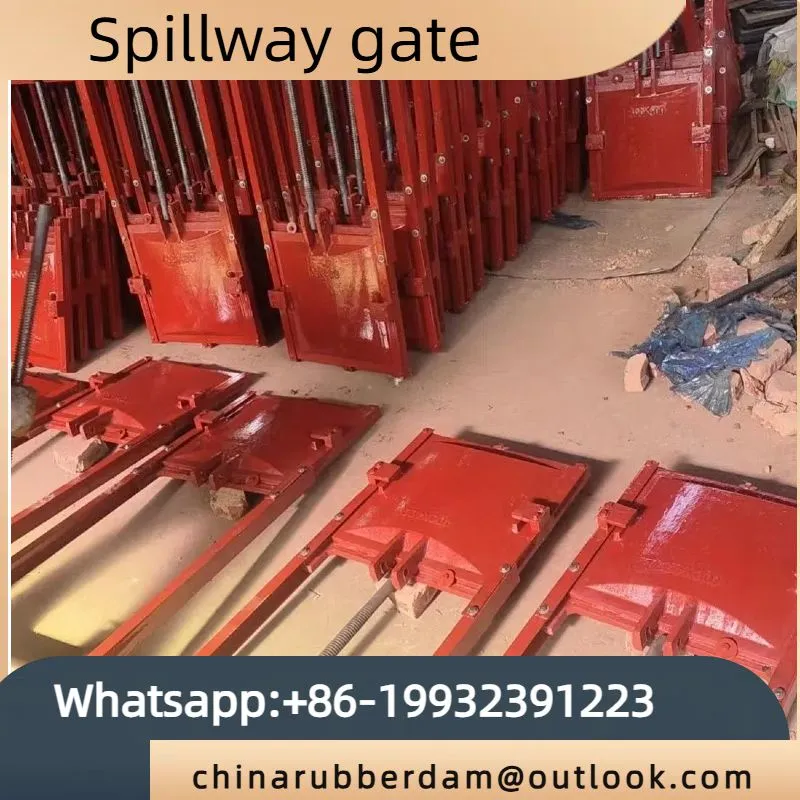
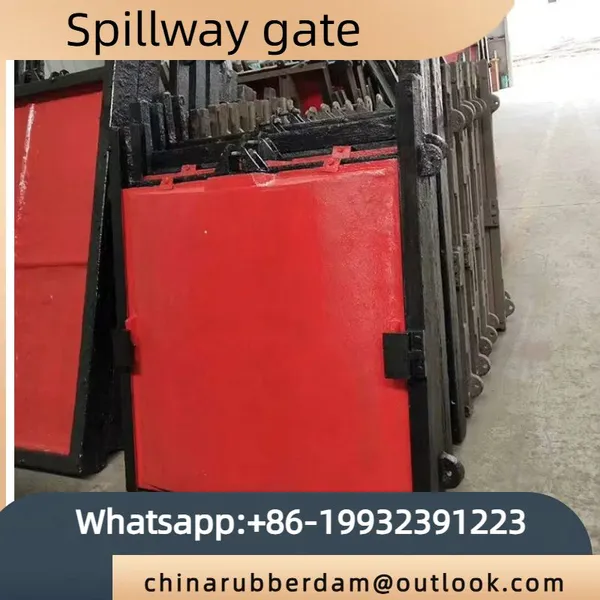
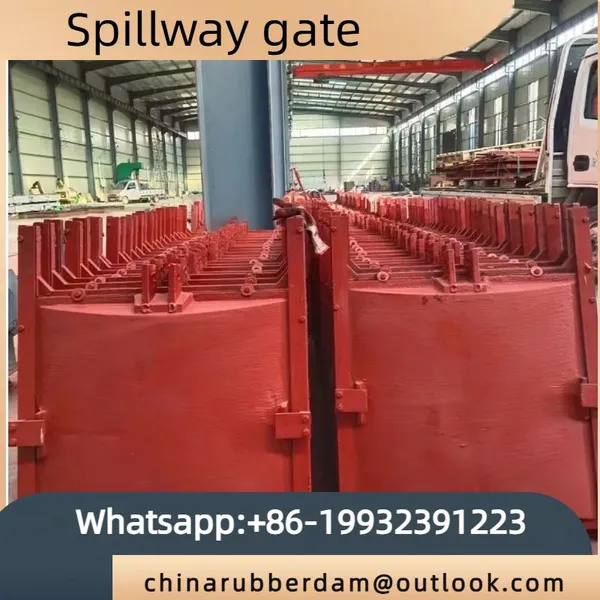
Cast iron has been a traditional material for sluice gates. It offers good resistance to wear and tear and is relatively cost - effective. Cast iron gates are often used in smaller - scale applications, such as in local waterways or small - town flood control systems. Their heavy - duty nature provides stability, and the material's ability to resist corrosion to a certain extent makes it suitable for long - term use in water - related infrastructure.
Stainless Steel
Stainless steel is highly valued for its exceptional corrosion resistance, especially in environments where water quality may be a concern, such as in coastal areas or industrial water treatment plants. Sluice gates made of stainless steel, often grades like 304 or 316, can maintain their integrity over extended periods without the need for frequent maintenance. This material is also aesthetically pleasing, making it a preferred option in some urban water management projects where appearance matters.
Reinforced Concrete
Reinforced concrete is another common material, particularly for large - scale, stationary sluice gates. Concrete's mass provides stability against water forces, and the reinforcement with steel bars enhances its tensile strength. These gates are often used in large dams and weirs, where their ability to withstand high hydrostatic pressures and their long - term durability are crucial. Concrete gates can be cast in - situ, allowing for customization to fit specific site requirements.
Wood
Wooden sluice gates are still used in some small - scale, low - tech applications, such as in rural agricultural irrigation systems. Wood is a cost - effective and easily accessible material in certain regions. However, its lifespan is shorter compared to other materials, especially in wet conditions, and it requires regular maintenance to prevent rot and decay. Treated wood can be used to improve its durability, but it is generally not suitable for high - pressure or large - scale water control scenarios.
Applications of Sluice Gates
Water Treatment Plants
In water treatment plants, sluice gates are used to control the flow of water into different treatment processes. They ensure that the water enters treatment tanks at the appropriate rate, allowing for efficient sedimentation, filtration, and disinfection. Gates also help in diverting water for maintenance and cleaning of the treatment facilities, ensuring the overall smooth operation of the plant.
Dams and Reservoirs
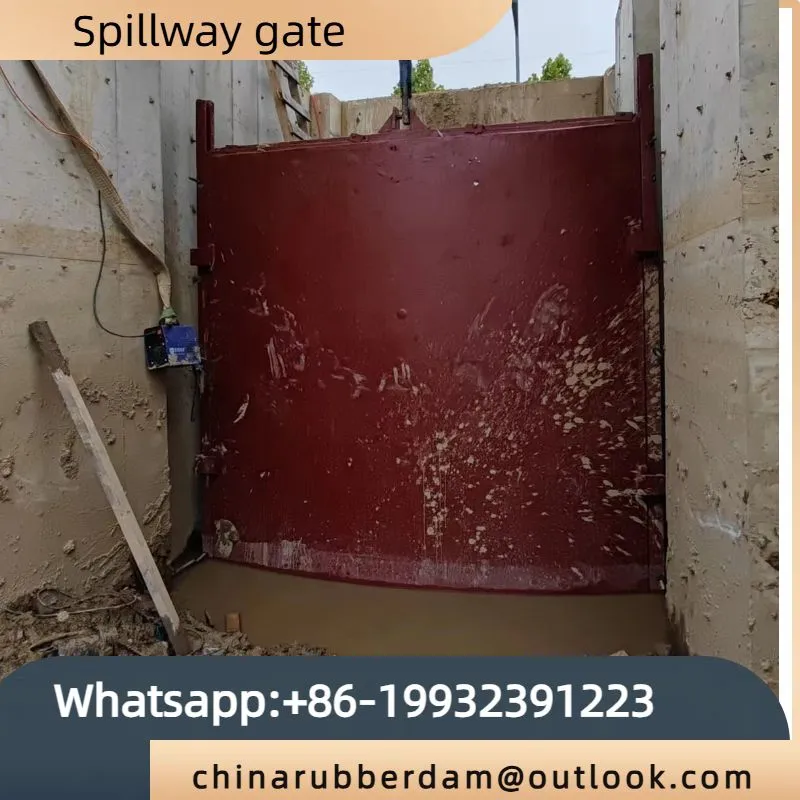
Sluice gates are critical components in dams and reservoirs. They are used to regulate the water level in the reservoir, releasing water during periods of heavy rainfall to prevent over - filling and potential dam failure. During dry seasons, the gates can be adjusted to release water for various purposes such as power generation, irrigation, and maintaining downstream water flows for ecological balance.
Irrigation Systems
In agricultural irrigation, sluice gates control the flow of water from canals or rivers into fields. Farmers can adjust the gates to ensure that the right amount of water reaches their crops, promoting optimal growth. These gates also help in distributing water evenly across different parts of the irrigation network, improving water use efficiency in agriculture.
Flood Control
Sluice gates play a vital role in flood control systems. In areas prone to flooding, these gates can be closed during high - water events to prevent water from flowing into urban areas or low - lying regions. They can also be used to redirect floodwaters to designated flood - storage areas, reducing the impact of floods on populated and cultivated areas.
Navigation and Shipping
In ports and waterways used for navigation, sluice gates are used to manage water levels in locks. Locks with sluice gates allow ships to move between different water levels, enabling navigation in rivers and canals with varying elevations. The proper operation of these gates ensures safe and efficient passage for vessels of different sizes.
In conclusion, sluice gates, constructed from a variety of materials, are integral to water management across multiple industries. Their ability to control water flow precisely makes them indispensable for ensuring water supply, flood protection, and overall water resource sustainability.
Share
Recently Posted
-
Water Stop Steel Plate: Material and Applications
June 26, 2025IntroductionWater stop steel plate, also known as steel water stop, steel water bar, or anti - seepage steel strip, is a crucial s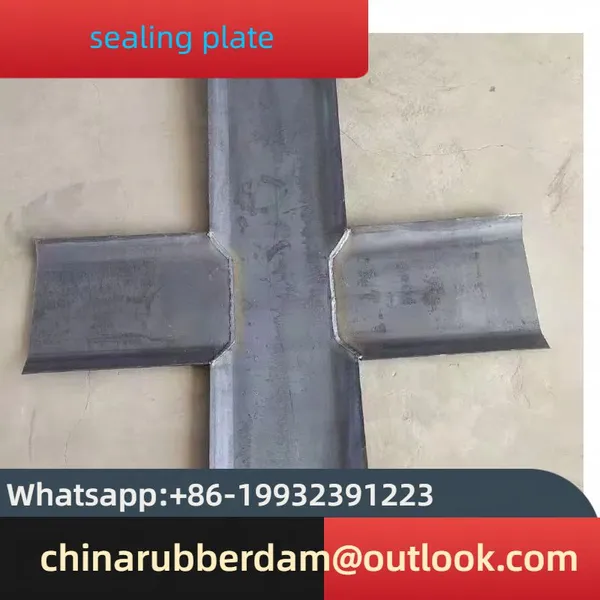 Read More
 -
Steel and Copper Plates Play Key Roles in Architectural Waterproofing
June 26, 2025In the realm of construction, ensuring effective waterproofing is of utmost importance. Steel and copper plates have emerged as cr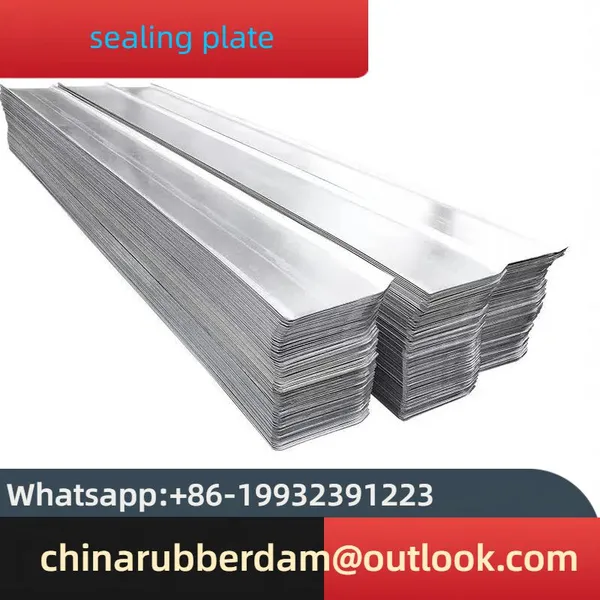 Read More
 -
Installation Steps and Precautions of Gabion Nets
June 26, 2025In recent infrastructure and environmental protection projects, gabion nets have emerged as a popular choice due to their durabili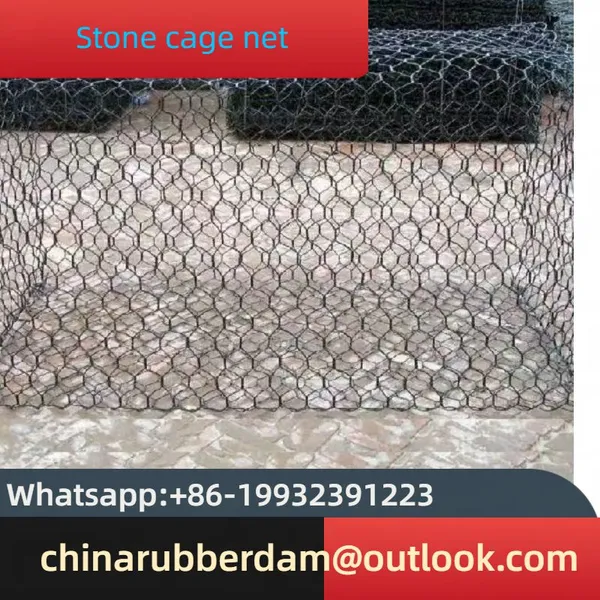 Read More
 -
Applications of Gabion Mesh: Protecting and Enhancing the Environment
June 26, 2025In recent years, gabion mesh has emerged as a versatile and effective solution for a wide range of applications, particularly in t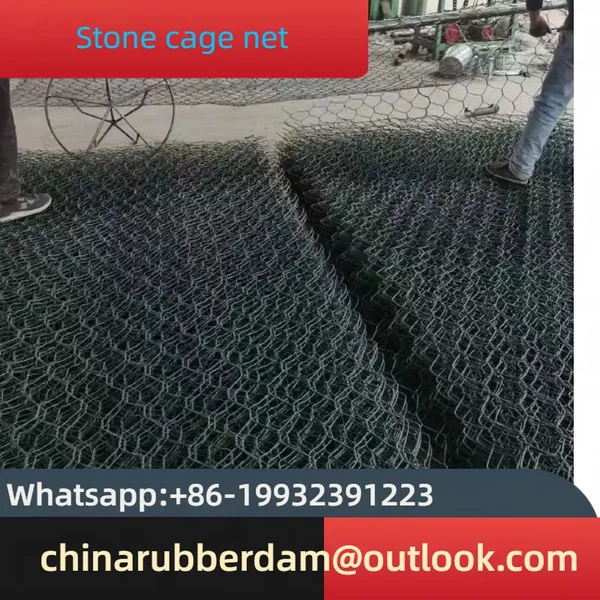 Read More

Contact Us
Recommended Products
-
 River Water Storage Landscape Rubber Sluice Bag Rubber Dam Water Filling River Blocking Dam Embankment Inflatable DamUS$ 5200 - 6500MOQ: 1 Bag
 -
Small Rubber Dam Slope Inflatable Landscape Dam Can be CustomizedUS$ 5200 - 6500MOQ: 1 Bag
-
Whole Slope Landscape Ecological Rubber Dam Spot Circular Rubber DamUS$ 5200 - 6500MOQ: 1 Bag
-
Customized Production of Book Style Inflatable Flood Control Dam, Retaining Dam, Steel Wire Boneless Rubber DamUS$ 5201 - 6500MOQ: 1 Bag
-
Small Inflatable Rubber Dam Water Injection Rubber Dam Bag Dam Source ManufacturerUS$ 5201 - 6500MOQ: 1 Bag
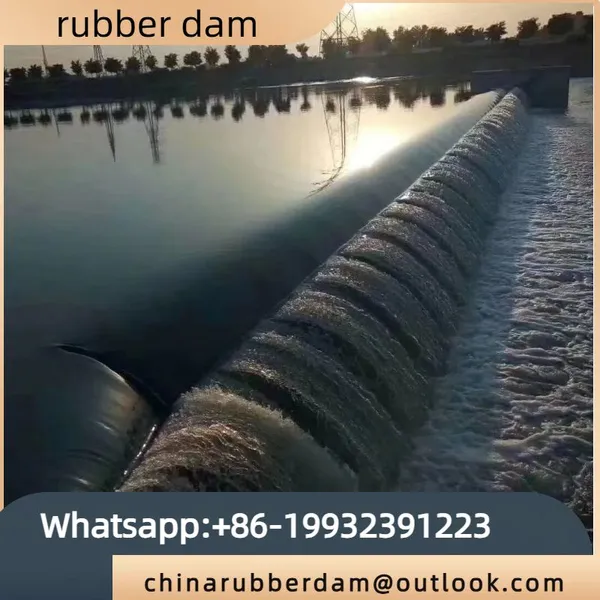
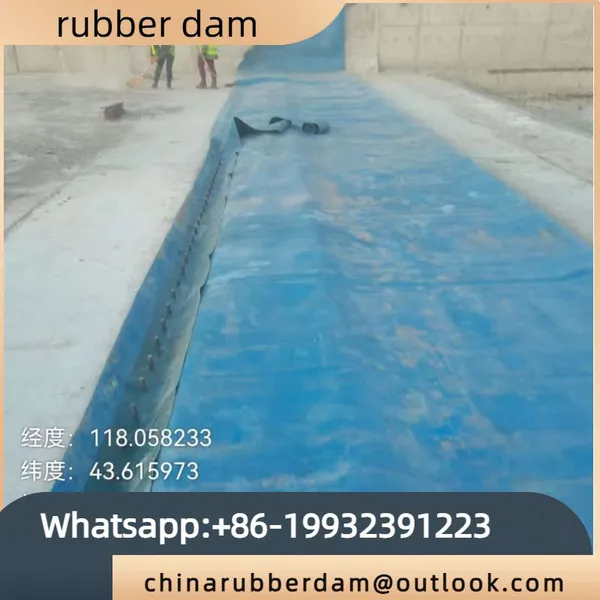
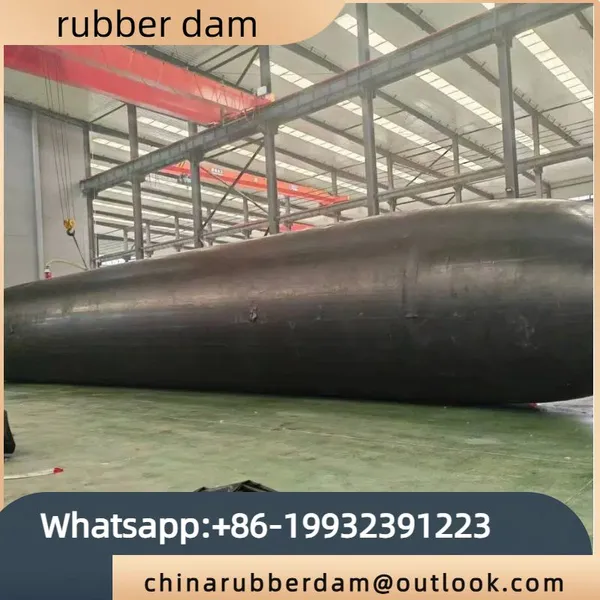

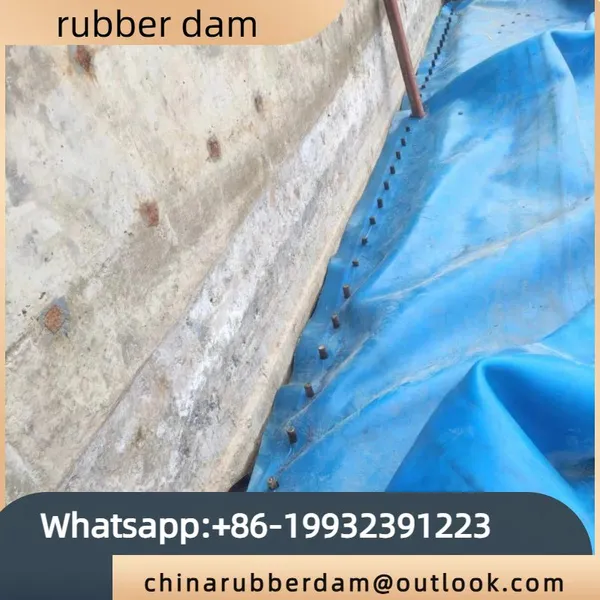
-
Supply Rubber Dam With Dam, Inflatable Dam for Sale in StockUS$ 5200 - 6500MOQ: 1 Bag
-
Large Scale Hydraulic Engineering Hydraulic Steel Dam Landscape Hydraulic Dam in Hebei, China, Replica Steel Gate Rubber Dam for Retaining DamUS$ 5200 - 6500MOQ: 1 Bag
-
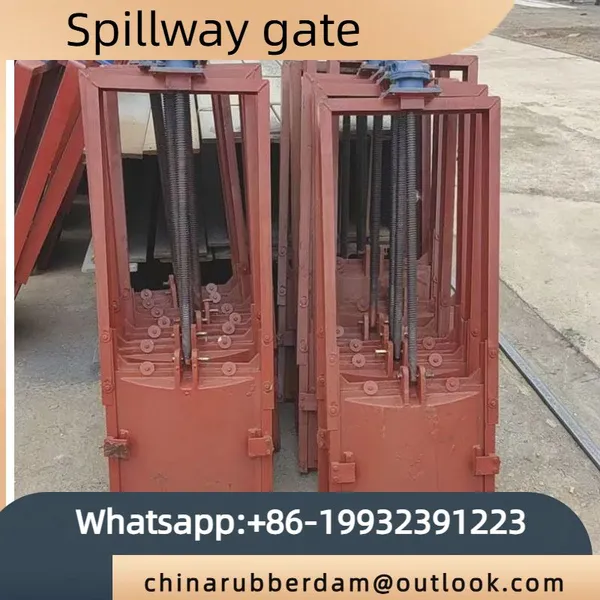
Cast Iron Square Gate/Source Manufacturer Cast Iron Gate SFZ-2000x2000 Matched With Electric Hoist Screw RodUS$ 999 - 1200MOQ: 10 Pairs
-
Steel Gate Source Manufacturer Supplies Stainless Steel Gate ZSZ-2400x2400 Water Stop GateUS$ 999 - 1200MOQ: 10 Pairs
-
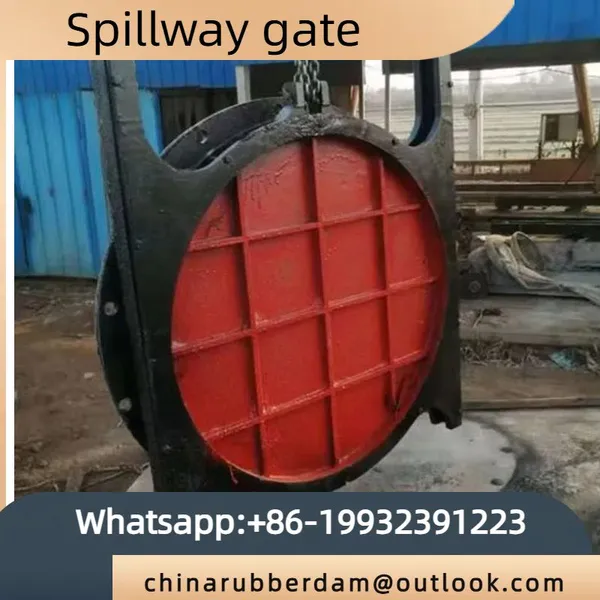
Round Copper Inlaid Cast Iron Gate/Manufacturer Produces Concealed Cast Iron Gate AYZ500 Hoist Cast Iron GateUS$ 999 - 1200MOQ: 10 Pairs
-
Stainless Steel Gate Manufacturer Produces ZSZ Type Water Stop Gate, Two-way Water Control Gate, Customized in Hebei, ChinaUS$ 999 - 1200MOQ: 10 Pairs
-
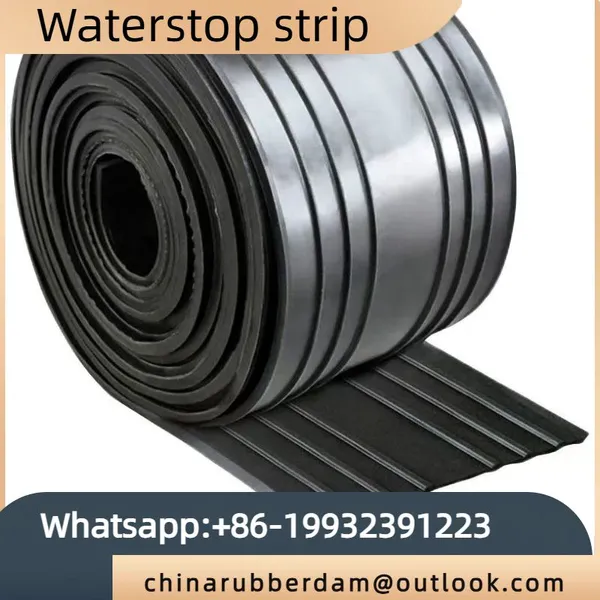
Steel Edge Rubber Waterstop Manufacturer in Stock, Wholesale in Large Quantities, With Good Sealing and Detachable Rubber WaterstopUS$ 50 - 79MOQ: 100 Meters
-
Construction of Water Injection Rubber Dam Factory, River Interception Dam, Gas Shield Dam Interception Dam ProjectUS$ 5200 - 6500MOQ: 1 Bag
-
Slope Pillow Type Water Filled Rubber Dam Construction Rubber Dam Solid FactoryUS$ 5199 - 6500MOQ: 1 Bag
-
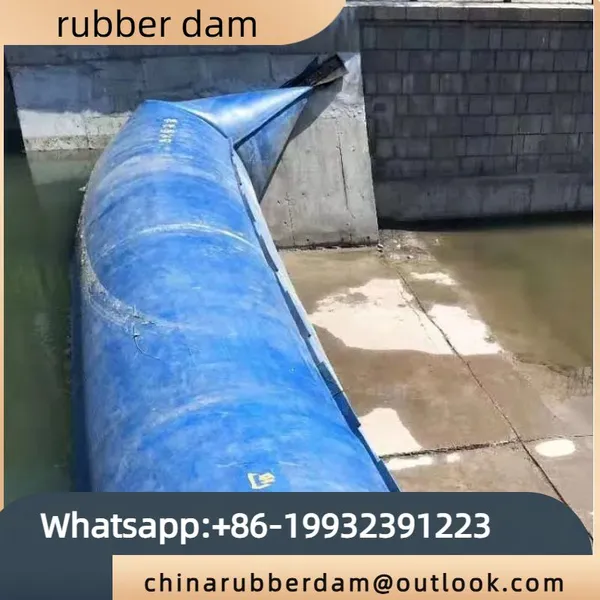
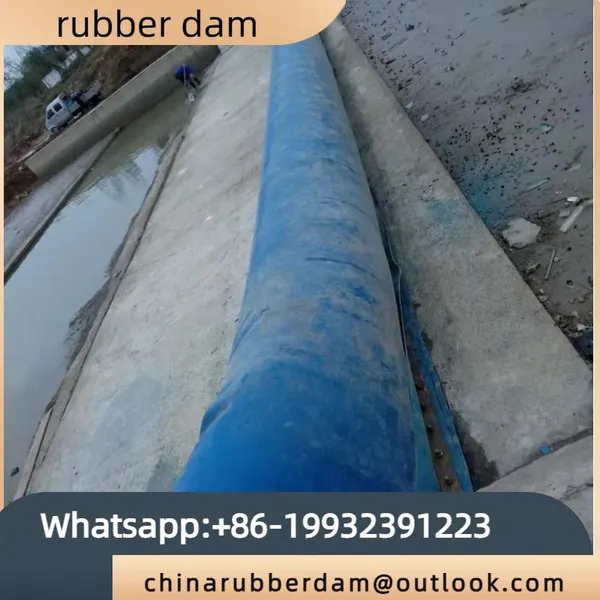
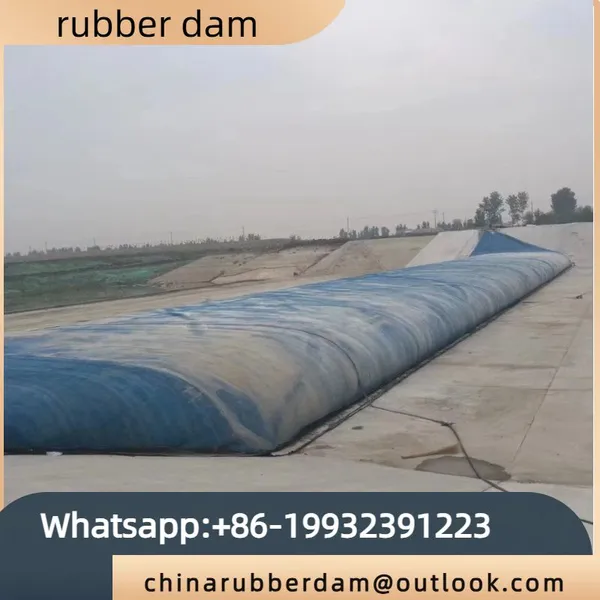
New Rubber Dam Garden Style Dam, Simple Dam, Automatic Lifting Rolling Dam, in StockUS$ 5200 - 6499MOQ: 1 Bag
-
Customized Automatic Lifting Dam for Horizontal Steel Dam Under Hydraulic Supply, River Interception, Water StorageUS$ 5200 - 6600MOQ: 1 Bag
-
Large Supply of Inflatable Rubber Dams for River and Water Interception Without Overlapping JointsUS$ 5200 - 6500MOQ: 1 Bag
-
Repair and Replace Small River Flood Prevention and Control Dams, Air Shield Dams, Seamless Overlapping Rubber DamsUS$ 5200 - 6500MOQ: 1 Bag
-
Factory Sales of Slope Type Water Filled Rubber Dam. Chinese Strong Merchants Can Customize According to Their PicturesUS$ 5200 - 6500MOQ: 1 Bag
-
The Manufacturer Supplies a Large Number of ZSZ Type Water Gates, Bi-directional Water Gates, Stainless Steel Gates, and Various Types of GatesUS$ 1000 - 1201MOQ: 10 Pairs