 Business License

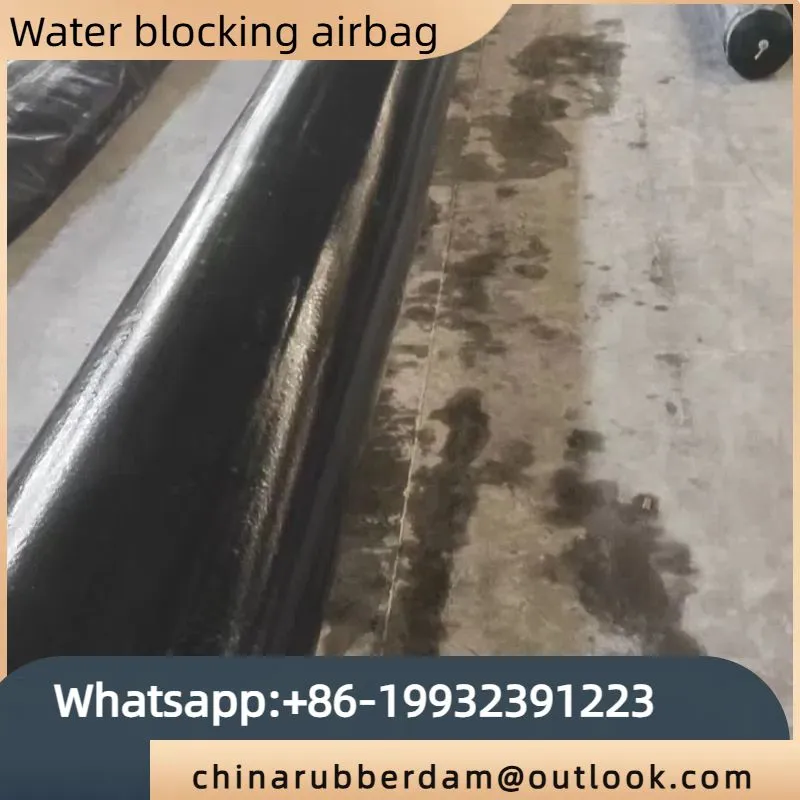
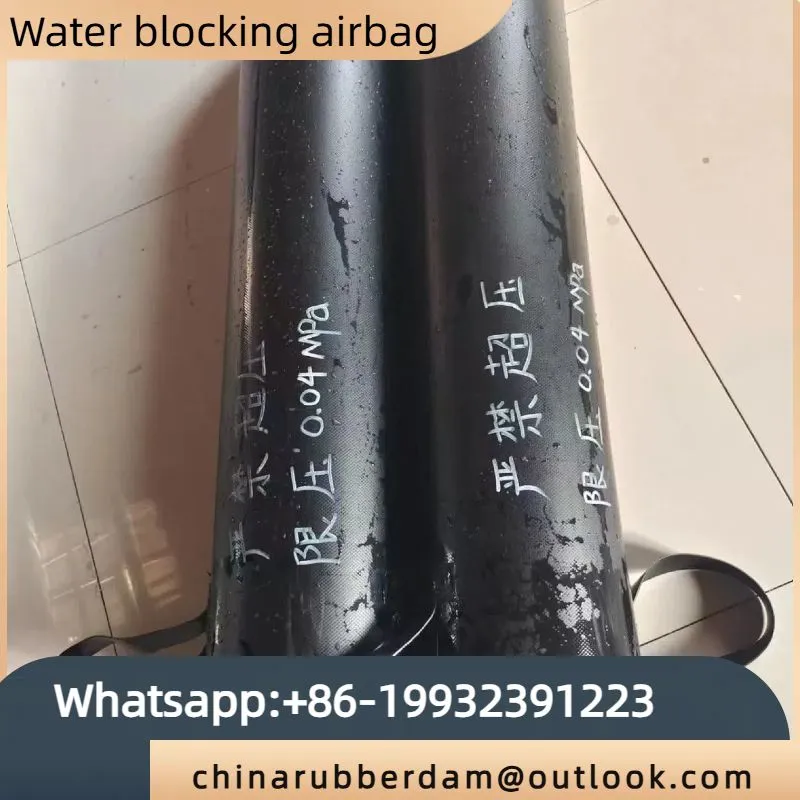
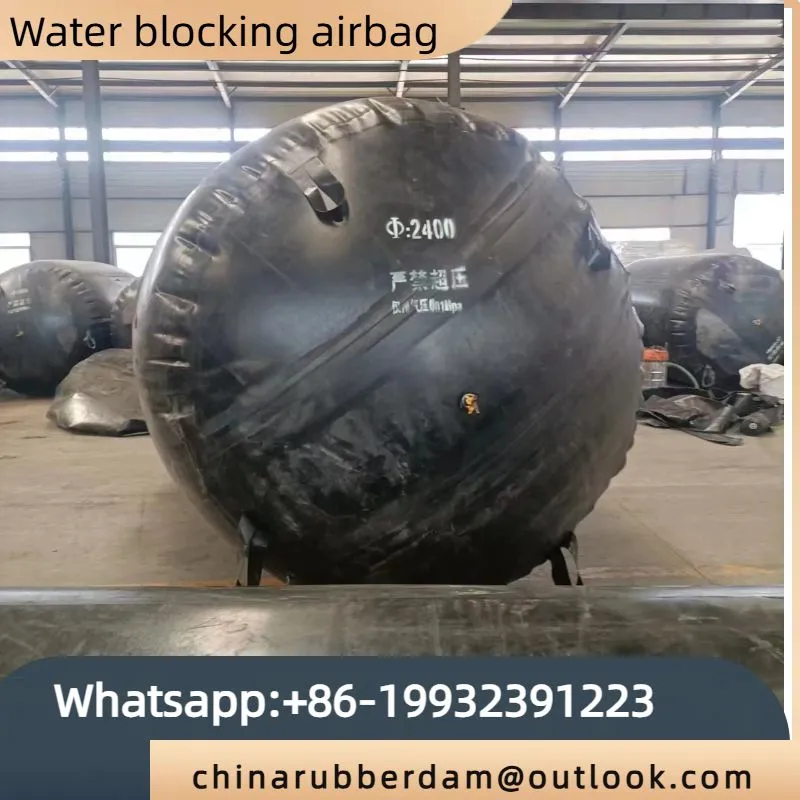
Installation of Municipal Water Blocking Airbags
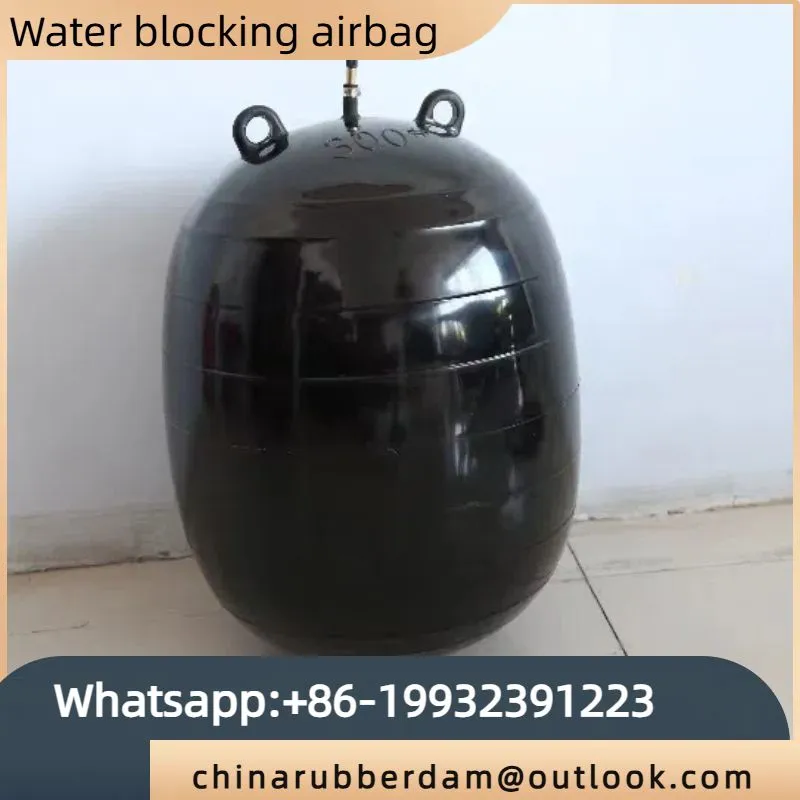
First, carefully check the surface of the water blocking airbag. Make sure it is clean, free of any attached dirt or debris. Inspect for any signs of damage, such as cracks, punctures, or abrasions. Inflate the airbag with a small amount of air, usually to a pressure well below the working pressure (e.g., 0.01 - 0.02 MPa depending on the airbag specifications). Check all parts of the airbag, including the inflation valve, seams, and the body of the airbag, for any signs of air leakage. If there is any leakage, the airbag should not be used and should be repaired or replaced.
Before inserting the airbag, thoroughly inspect the pipeline where it will be installed. The inner wall of the pipeline should be smooth. Look for any protruding burrs, sharp objects like glass fragments or stones, and remove them immediately. These sharp items can puncture the airbag during installation or use. Also, ensure that the pipeline is straight enough for the airbag to be inserted and inflated without getting twisted. A twisted airbag may not inflate evenly, which can lead to ineffective water blocking and even cause the airbag to burst.
Assemble all the accessories related to the airbag inflation system, such as the air pump, pressure gauge, and connecting hoses. Connect these components properly according to the manufacturer's instructions. After assembly, conduct a leak - test on the entire inflation system. Inflate the airbag to a low pressure (again, well below the working pressure), and then use a soapy water solution. Apply the soapy water evenly on all joints, connections, and the inflation valve. If there are any bubbles forming, it indicates a leak, and the problem should be fixed before proceeding with the installation.
Deflate the airbag to a size that allows it to be easily inserted into the pipeline. Usually, the airbag comes with a tether or a rope attached to one end for easy handling. Slowly insert the airbag into the pipeline through the access point (such as a manhole or a pipeline opening). Make sure the airbag is inserted in the correct orientation. For example, if the airbag has a specific side designed to face the water flow, ensure that side is properly positioned. Push the airbag along the pipeline until it reaches the desired location for water blocking.
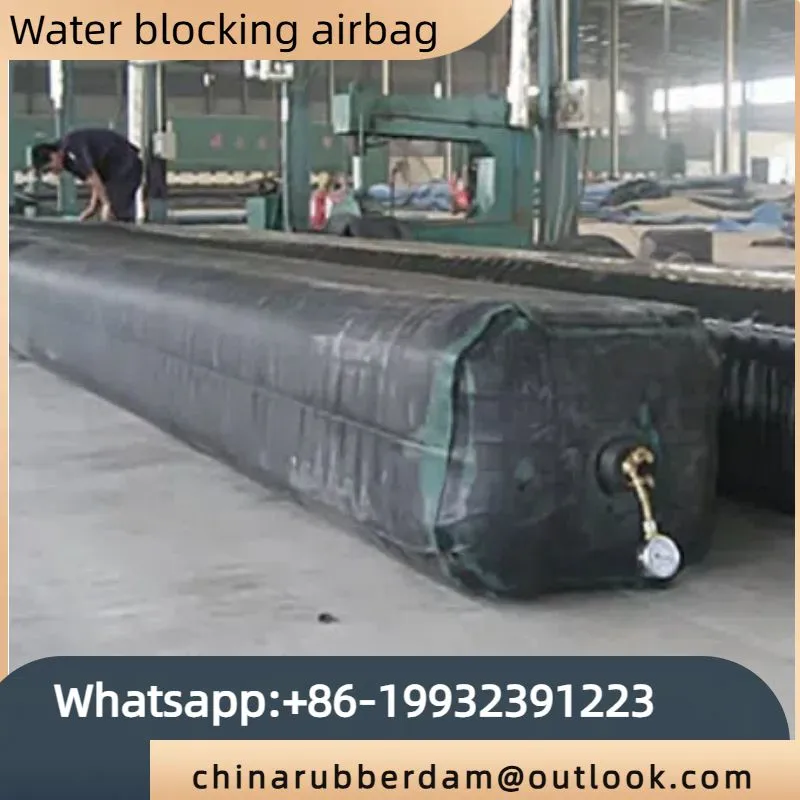
Once the airbag is in place, connect the inflation hose to the airbag's inflation valve. Start the air pump and begin to inflate the airbag slowly. Monitor the pressure gauge closely. The inflation pressure should be gradually increased according to the airbag's rated working pressure. For most municipal water blocking airbags, the working pressure ranges from 0.01 - 0.03 MPa, but this can vary depending on the specific model and the pipeline conditions. As the airbag inflates, it will gradually expand and press against the inner wall of the pipeline. Keep an eye on the inflation process to ensure that the airbag inflates evenly and there are no abnormal bulges or deformations.
After inflating the airbag to the required pressure, visually inspect the area around the airbag in the pipeline (if possible through inspection ports or by using inspection cameras). Check that the airbag is properly seated against the pipeline wall and there are no gaps between the airbag and the pipeline that could allow water to pass through. Also, observe the pressure gauge for a few minutes. If the pressure remains stable, it indicates that the airbag is holding the pressure well and is likely installed correctly. However, if the pressure drops significantly, there may be a leak in the airbag or an improper seal between the airbag and the pipeline, and further inspection and adjustment are needed.
Do not install the water blocking airbag at pipe fittings joints, especially in areas with complex geometries or where the inner wall of the pipeline is not smooth. At these locations, the airbag may not be able to form a proper seal, and uneven pressure distribution during inflation can cause the airbag to burst. For example, in a pipeline with a tee - joint or a reducer, it is best to choose a straight section of the pipeline for airbag installation.
Ensure that the size of the water blocking airbag is suitable for the diameter of the pipeline. Using an airbag that is too small will not effectively block the water flow, while an airbag that is too large may be difficult to insert into the pipeline and can also cause excessive pressure on the pipeline wall during inflation, potentially damaging the pipeline. Different airbag models are designed to fit specific pipeline diameter ranges, and it is important to select the correct one according to the actual pipeline size.
When moving the airbag, whether it is before installation or after use, avoid dragging it on rough surfaces. Dragging can scratch or abrade the surface of the airbag, reducing its lifespan and potentially causing air leakage. Instead, lift and carry the airbag carefully. Also, when inserting the airbag into the pipeline, be cautious not to let it come into contact with sharp edges or objects inside the pipeline, as this can puncture the airbag.
Recently Posted
-
Water Stop Steel Plate: Material and Applications
June 26, 2025IntroductionWater stop steel plate, also known as steel water stop, steel water bar, or anti - seepage steel strip, is a crucial s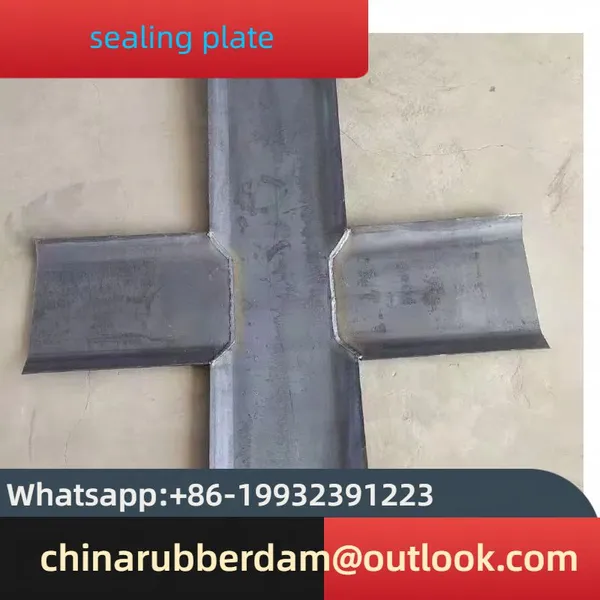 Read More
 -
Steel and Copper Plates Play Key Roles in Architectural Waterproofing
June 26, 2025In the realm of construction, ensuring effective waterproofing is of utmost importance. Steel and copper plates have emerged as cr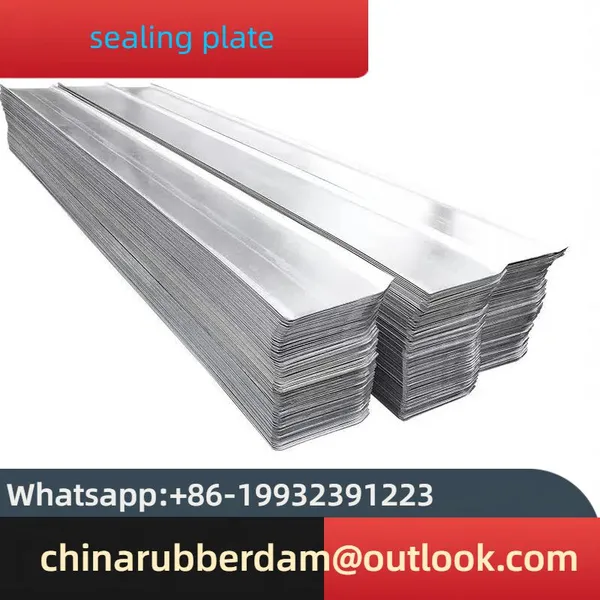 Read More
 -
Installation Steps and Precautions of Gabion Nets
June 26, 2025In recent infrastructure and environmental protection projects, gabion nets have emerged as a popular choice due to their durabili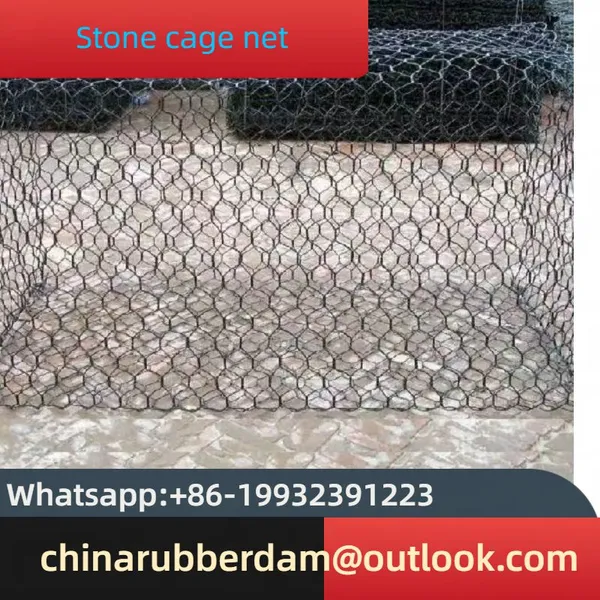 Read More
 -
Applications of Gabion Mesh: Protecting and Enhancing the Environment
June 26, 2025In recent years, gabion mesh has emerged as a versatile and effective solution for a wide range of applications, particularly in t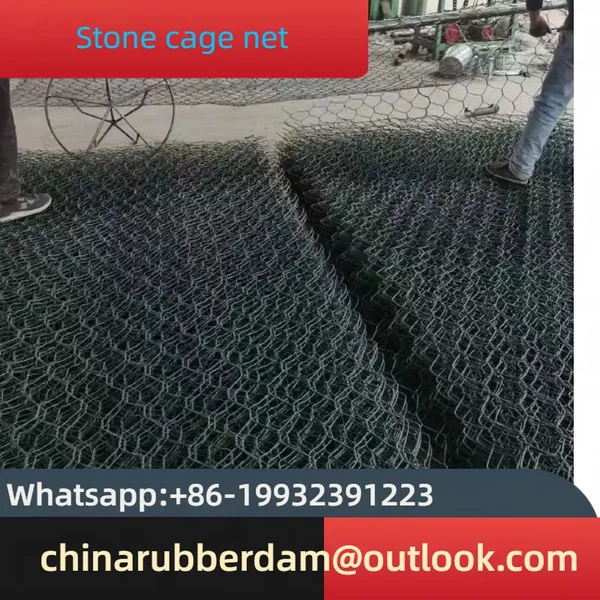 Read More

Contact Us
Recommended Products
-
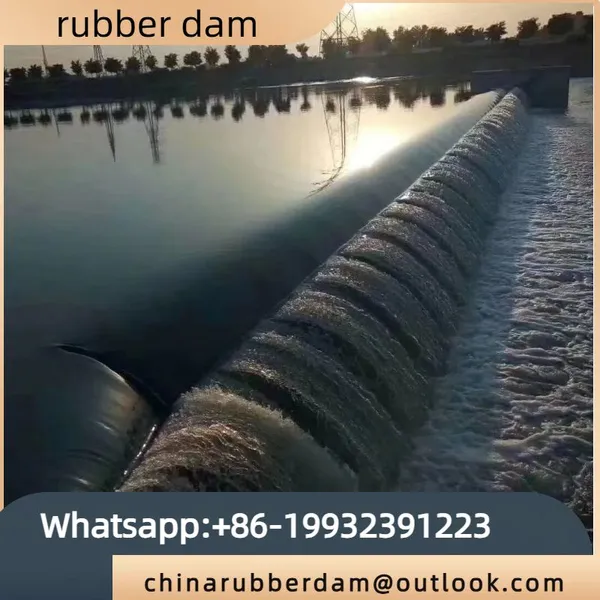
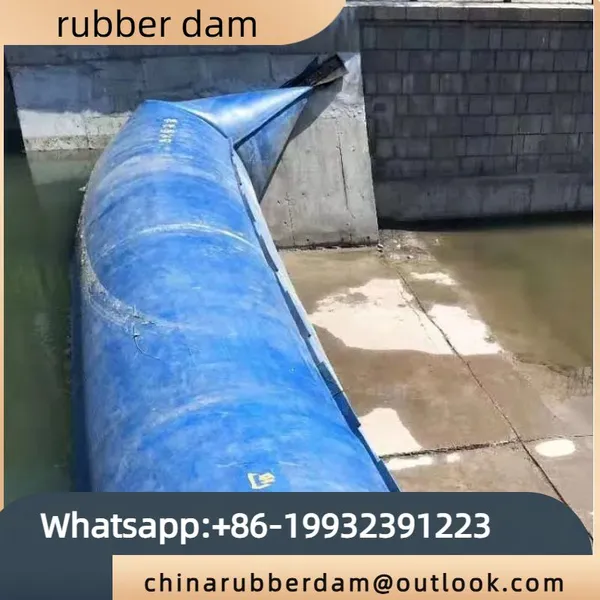
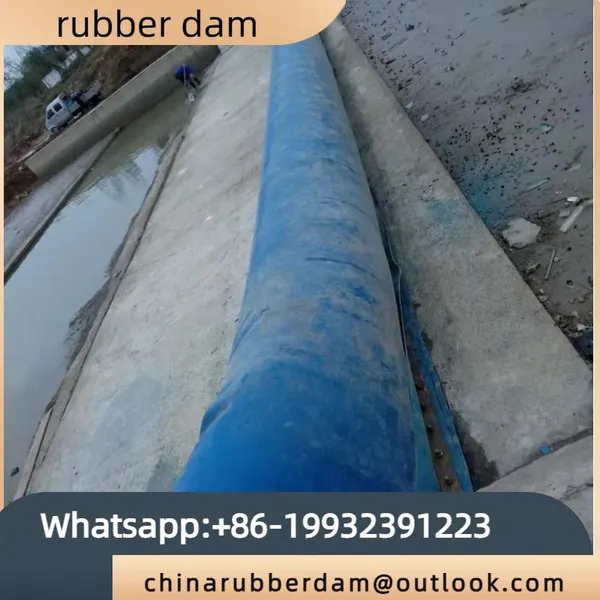
 River Water Storage Landscape Rubber Sluice Bag Rubber Dam Water Filling River Blocking Dam Embankment Inflatable DamUS$ 5200 - 6500MOQ: 1 Bag
 -
Small Rubber Dam Slope Inflatable Landscape Dam Can be CustomizedUS$ 5200 - 6500MOQ: 1 Bag
-
Whole Slope Landscape Ecological Rubber Dam Spot Circular Rubber DamUS$ 5200 - 6500MOQ: 1 Bag
-
Customized Production of Book Style Inflatable Flood Control Dam, Retaining Dam, Steel Wire Boneless Rubber DamUS$ 5201 - 6500MOQ: 1 Bag
-
Small Inflatable Rubber Dam Water Injection Rubber Dam Bag Dam Source ManufacturerUS$ 5201 - 6500MOQ: 1 Bag

-
Supply Rubber Dam With Dam, Inflatable Dam for Sale in StockUS$ 5200 - 6500MOQ: 1 Bag
-
Large Scale Hydraulic Engineering Hydraulic Steel Dam Landscape Hydraulic Dam in Hebei, China, Replica Steel Gate Rubber Dam for Retaining DamUS$ 5200 - 6500MOQ: 1 Bag
-
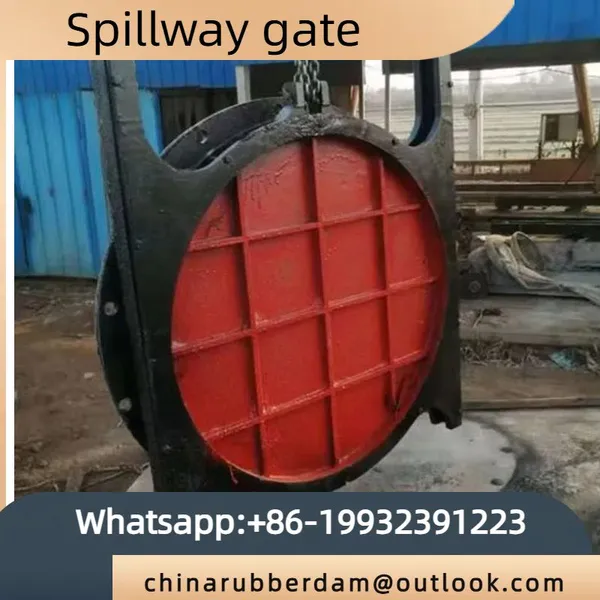
Cast Iron Square Gate/Source Manufacturer Cast Iron Gate SFZ-2000x2000 Matched With Electric Hoist Screw RodUS$ 999 - 1200MOQ: 10 Pairs
-
Steel Gate Source Manufacturer Supplies Stainless Steel Gate ZSZ-2400x2400 Water Stop GateUS$ 999 - 1200MOQ: 10 Pairs
-
Round Copper Inlaid Cast Iron Gate/Manufacturer Produces Concealed Cast Iron Gate AYZ500 Hoist Cast Iron GateUS$ 999 - 1200MOQ: 10 Pairs
-
Stainless Steel Gate Manufacturer Produces ZSZ Type Water Stop Gate, Two-way Water Control Gate, Customized in Hebei, ChinaUS$ 999 - 1200MOQ: 10 Pairs
-
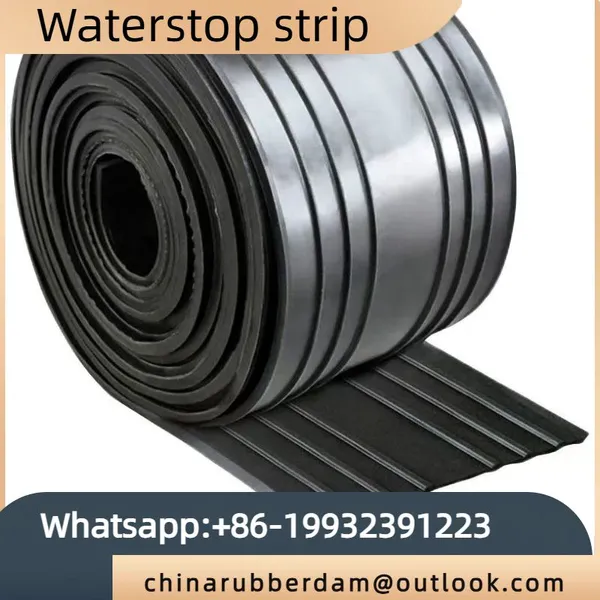
Steel Edge Rubber Waterstop Manufacturer in Stock, Wholesale in Large Quantities, With Good Sealing and Detachable Rubber WaterstopUS$ 50 - 79MOQ: 100 Meters
-
Construction of Water Injection Rubber Dam Factory, River Interception Dam, Gas Shield Dam Interception Dam ProjectUS$ 5200 - 6500MOQ: 1 Bag
-
Slope Pillow Type Water Filled Rubber Dam Construction Rubber Dam Solid FactoryUS$ 5199 - 6500MOQ: 1 Bag
-
New Rubber Dam Garden Style Dam, Simple Dam, Automatic Lifting Rolling Dam, in StockUS$ 5200 - 6499MOQ: 1 Bag
-
Customized Automatic Lifting Dam for Horizontal Steel Dam Under Hydraulic Supply, River Interception, Water StorageUS$ 5200 - 6600MOQ: 1 Bag
-
Large Supply of Inflatable Rubber Dams for River and Water Interception Without Overlapping JointsUS$ 5200 - 6500MOQ: 1 Bag
-
Repair and Replace Small River Flood Prevention and Control Dams, Air Shield Dams, Seamless Overlapping Rubber DamsUS$ 5200 - 6500MOQ: 1 Bag
-
Factory Sales of Slope Type Water Filled Rubber Dam. Chinese Strong Merchants Can Customize According to Their PicturesUS$ 5200 - 6500MOQ: 1 Bag
-
The Manufacturer Supplies a Large Number of ZSZ Type Water Gates, Bi-directional Water Gates, Stainless Steel Gates, and Various Types of GatesUS$ 1000 - 1201MOQ: 10 Pairs