Hengshui Aiye Machinery Equipment Co., Ltd.
 Business License
Main Products: rubber dam, Inflatable rubber dams, Hydraulic elevator dam, Cast iron gates

Application Scenarios of Polyurethane Sealant
Mrs. Wendy
June 25, 2025
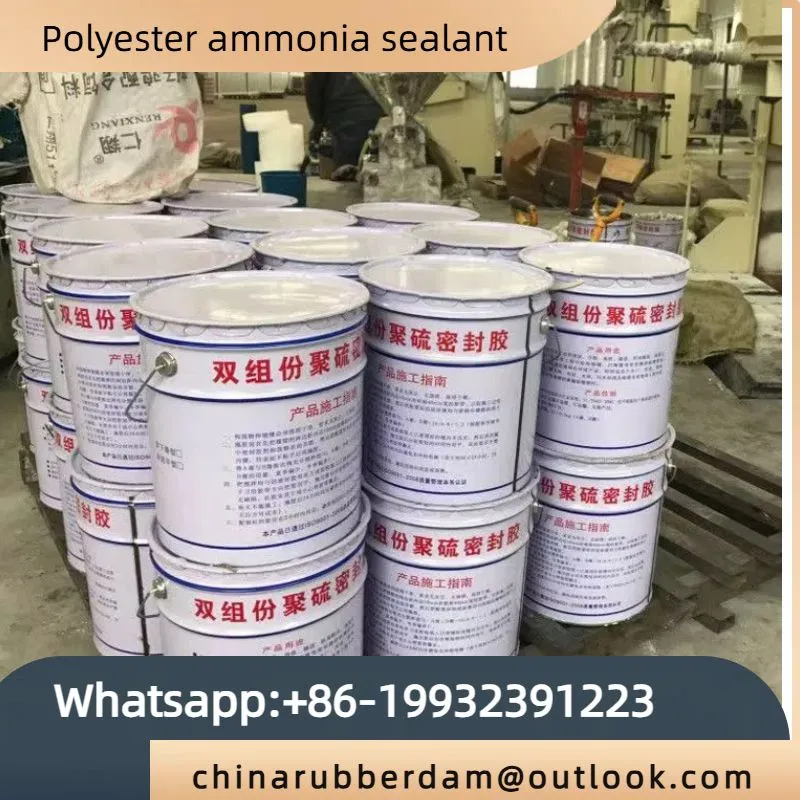
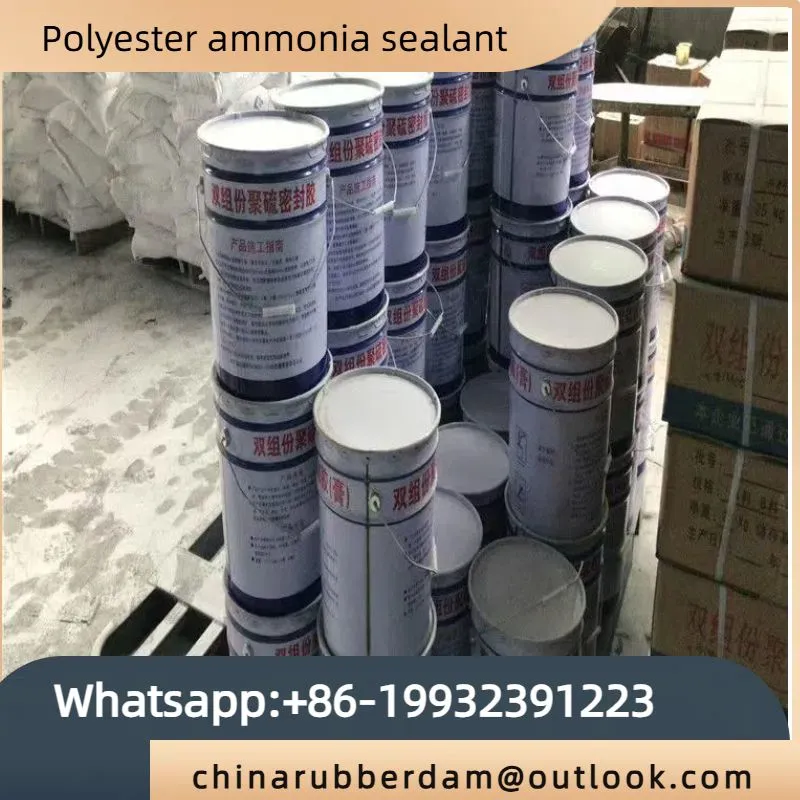
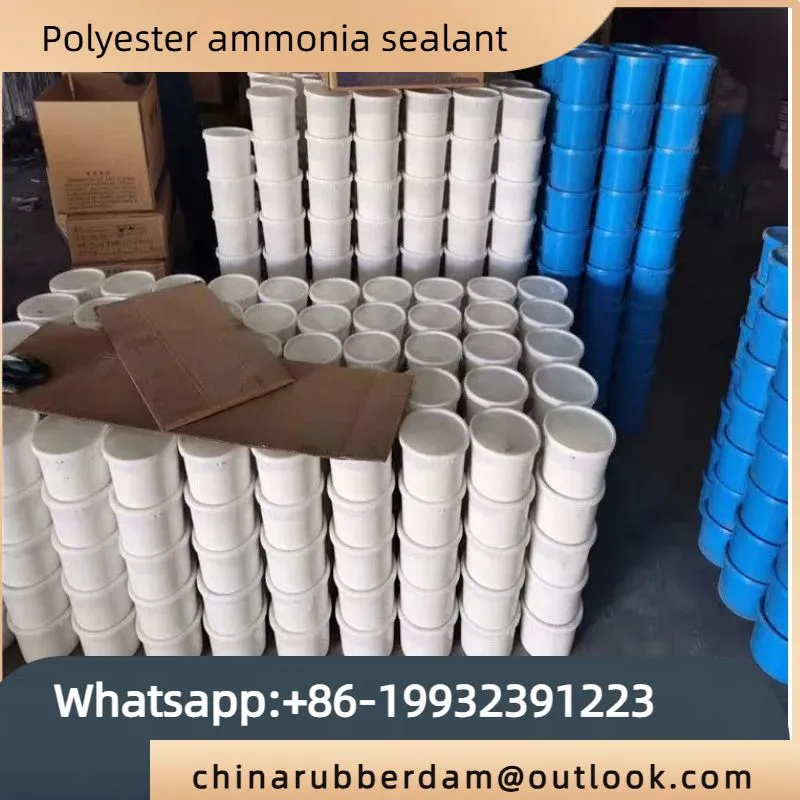
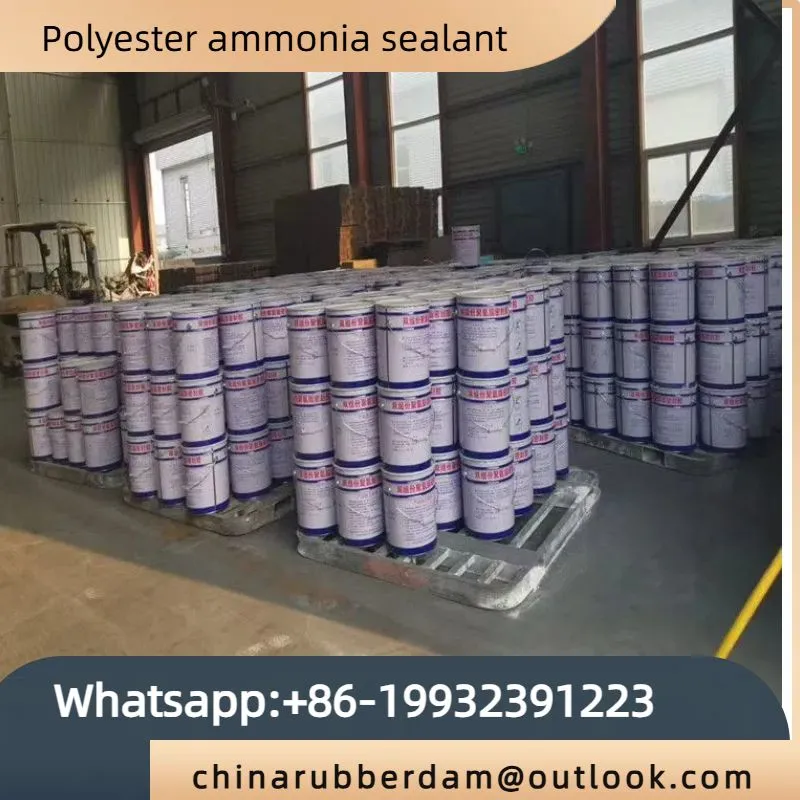
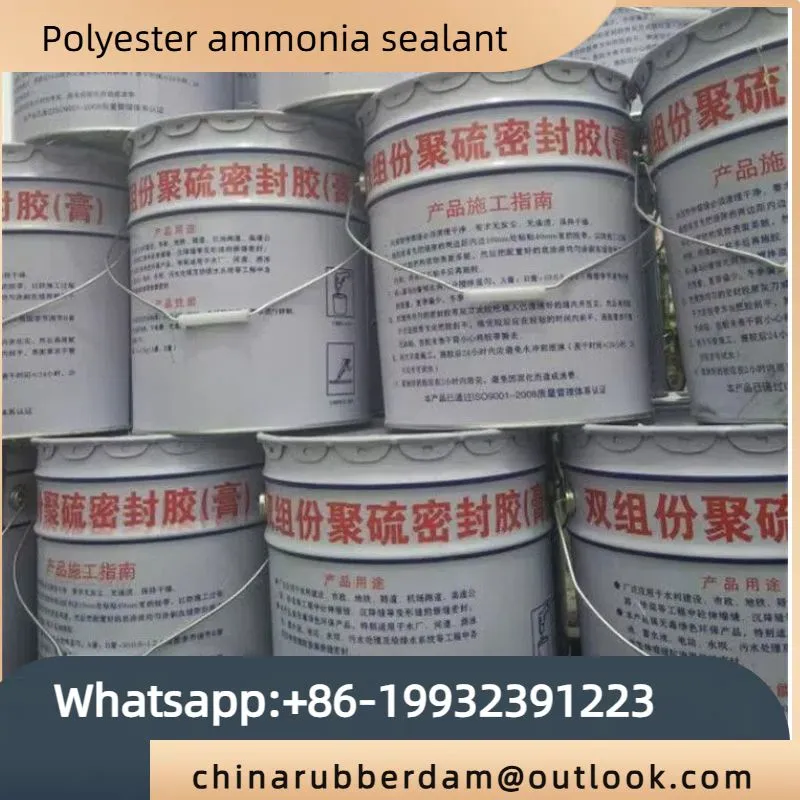
Polyurethane sealant, renowned for its exceptional durability, flexibility, and adhesive properties, has become an indispensable material across a wide range of industries. This versatile sealant offers superior resistance to weathering, chemicals, and abrasion, making it ideal for various demanding applications. This article delves into the diverse application scenarios where polyurethane sealant excels.
1. Construction Industry
Building Envelopes
In the construction of buildings, polyurethane sealant plays a crucial role in creating a weathertight and energy-efficient building envelope. It is used to seal joints between different building materials, such as concrete, brick, stone, and metal. By effectively blocking the passage of air, water, and moisture, it helps prevent heat loss, reduces energy consumption, and protects the building structure from water damage and deterioration. For example, around windows and doors, it forms a reliable barrier that keeps out drafts and rain, enhancing the comfort and energy efficiency of the interior space.
Roofing Systems
Polyurethane sealant is also extensively applied in roofing systems. It can be used to seal seams, joints, and penetrations in flat roofs, pitched roofs, and metal roofs. Its excellent elasticity allows it to accommodate the movement of the roof materials caused by temperature changes, ensuring a long - lasting and watertight seal. This helps prevent leaks, which can lead to costly damage to the building's interior and structure. Additionally, its resistance to UV radiation and weathering ensures that the roof remains protected over an extended period.
Concrete Joints
Concrete structures, such as sidewalks, driveways, and parking garages, are prone to cracking due to temperature fluctuations and mechanical stress. Polyurethane sealant is used to fill and seal these joints, preventing water infiltration, which can cause spalling and further damage to the concrete. Its ability to expand and contract with the movement of the concrete ensures that the seal remains intact, providing long - term protection and extending the lifespan of the concrete structure.
2. Automotive Industry
Vehicle Body Sealing
In automotive manufacturing, polyurethane sealant is used to seal various joints and seams in the vehicle body. It helps prevent water, dust, and noise from entering the passenger compartment, enhancing the comfort and durability of the vehicle. For instance, it is applied around doors, windows, and trunk lids to create a tight seal, reducing wind noise and preventing water leakage during rainy weather. Moreover, it can also act as a vibration damper, improving the overall driving experience.
Underbody Protection
The underbody of a vehicle is constantly exposed to harsh road conditions, including water, mud, gravel, and chemicals. Polyurethane sealant is used to coat and seal the underbody components, providing protection against corrosion and abrasion. It forms a tough, flexible barrier that resists the impact of road debris and the corrosive effects of salt and other chemicals, thereby extending the lifespan of the vehicle's underbody components and maintaining its structural integrity.
3. Marine Industry
Boat and Shipbuilding
In the marine industry, polyurethane sealant is essential for boat and shipbuilding. It is used to seal hull joints, deck seams, and other areas where water tightness is critical. Its excellent resistance to water, saltwater corrosion, and UV radiation makes it suitable for the harsh marine environment. By ensuring a watertight seal, it prevents water from entering the vessel, protecting the interior components and preventing structural damage. Additionally, it can also be used for bonding and sealing various marine fixtures and fittings.
Marine Infrastructure
Polyurethane sealant is also applied in marine infrastructure projects, such as docks, piers, and offshore platforms. It is used to seal joints and seams in these structures, protecting them from the erosive effects of the marine environment. Its durability and flexibility allow it to withstand the constant movement and stress caused by waves and tides, ensuring the long - term stability and safety of the marine infrastructure.
4. Industrial Applications
Machinery and Equipment Sealing
In industrial settings, polyurethane sealant is used to seal various types of machinery and equipment. It helps prevent the leakage of lubricants, coolants, and other fluids, ensuring the proper functioning and efficiency of the equipment. It can also be used to seal electrical enclosures, protecting the internal components from dust, moisture, and contaminants. Its resistance to chemicals and high temperatures makes it suitable for use in a wide range of industrial applications, from manufacturing plants to power generation facilities.
Pipeline Sealing
Polyurethane sealant is widely used for sealing pipelines in industries such as oil and gas, water supply, and wastewater treatment. It provides a reliable seal for pipeline joints, preventing leaks and ensuring the safe and efficient transportation of fluids. Its excellent adhesion to different pipeline materials, such as steel, plastic, and concrete, combined with its resistance to pressure and corrosion, makes it an ideal choice for pipeline sealing applications.
In conclusion, polyurethane sealant's remarkable properties make it a highly sought - after material in numerous application scenarios. From construction and automotive to marine and industrial fields, it continues to play a vital role in ensuring the durability, performance, and functionality of various structures and products. As technology advances, the applications of polyurethane sealant are likely to expand further, contributing to the development and improvement of different industries.
Share
Recently Posted
-
Water Stop Steel Plate: Material and Applications
June 26, 2025IntroductionWater stop steel plate, also known as steel water stop, steel water bar, or anti - seepage steel strip, is a crucial s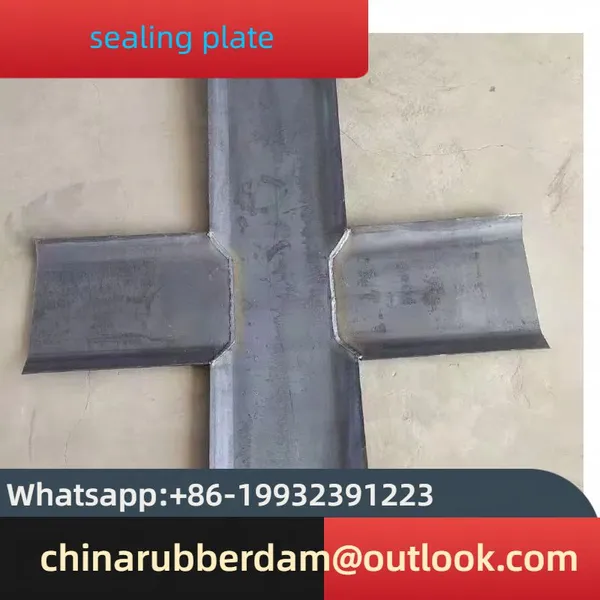 Read More
 -
Steel and Copper Plates Play Key Roles in Architectural Waterproofing
June 26, 2025In the realm of construction, ensuring effective waterproofing is of utmost importance. Steel and copper plates have emerged as cr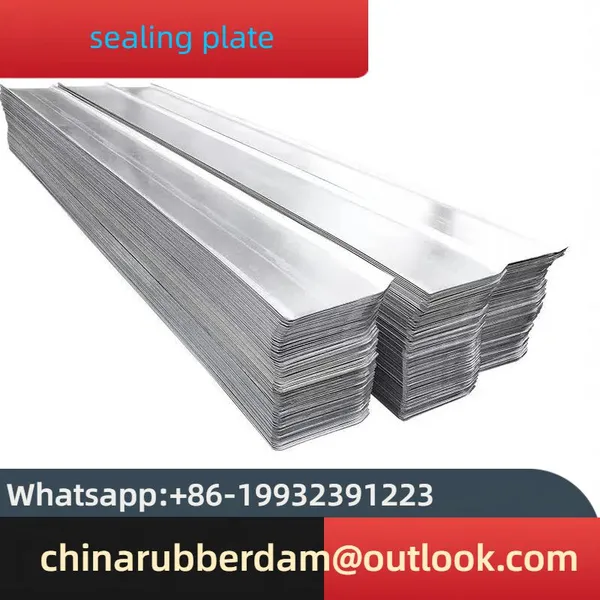 Read More
 -
Installation Steps and Precautions of Gabion Nets
June 26, 2025In recent infrastructure and environmental protection projects, gabion nets have emerged as a popular choice due to their durabili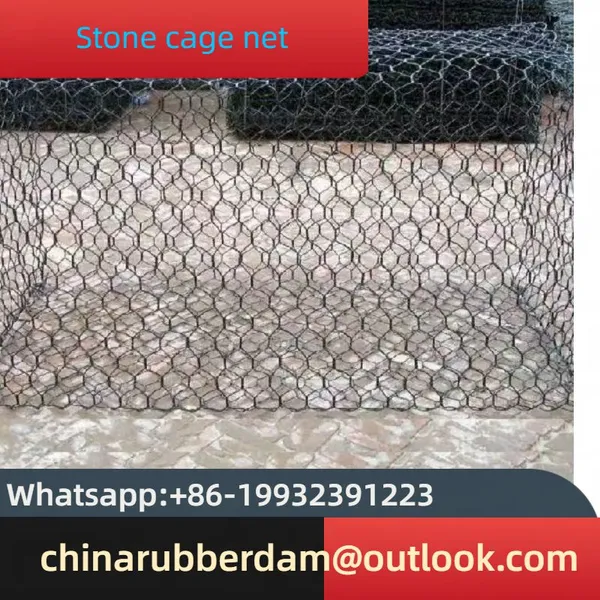 Read More
 -
Applications of Gabion Mesh: Protecting and Enhancing the Environment
June 26, 2025In recent years, gabion mesh has emerged as a versatile and effective solution for a wide range of applications, particularly in t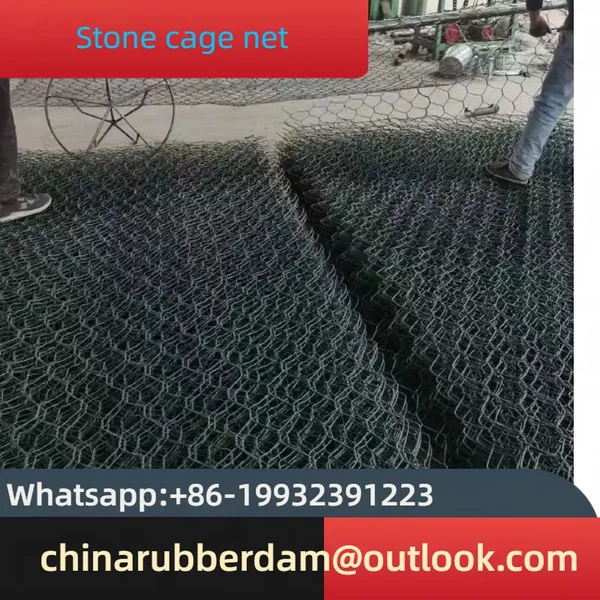 Read More

Contact Us
Recommended Products
-
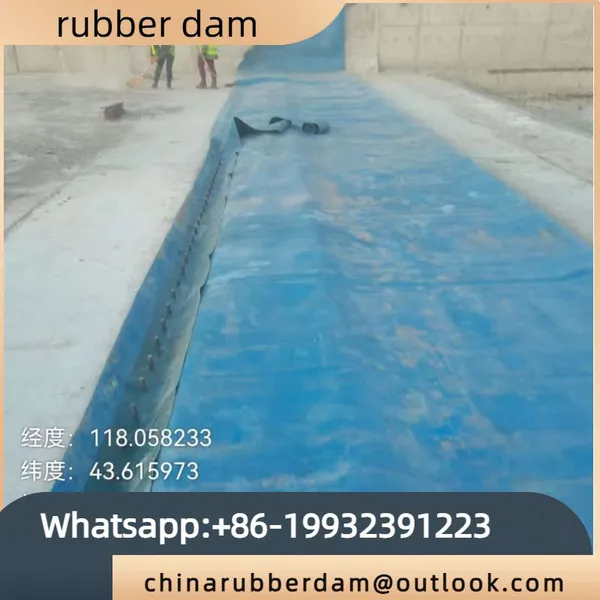
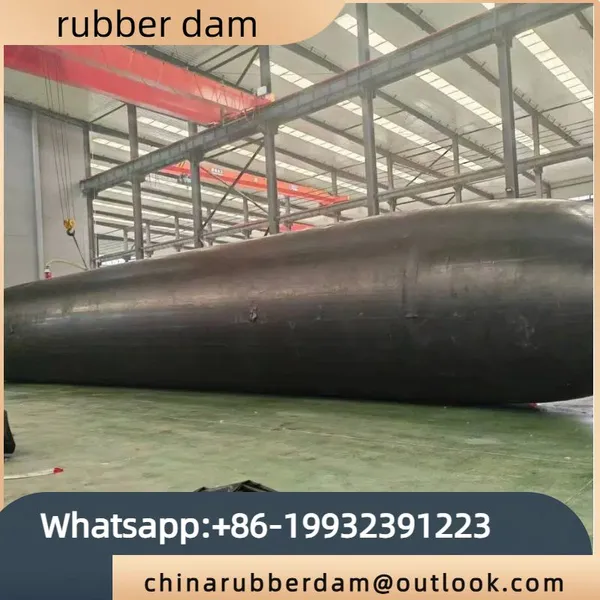
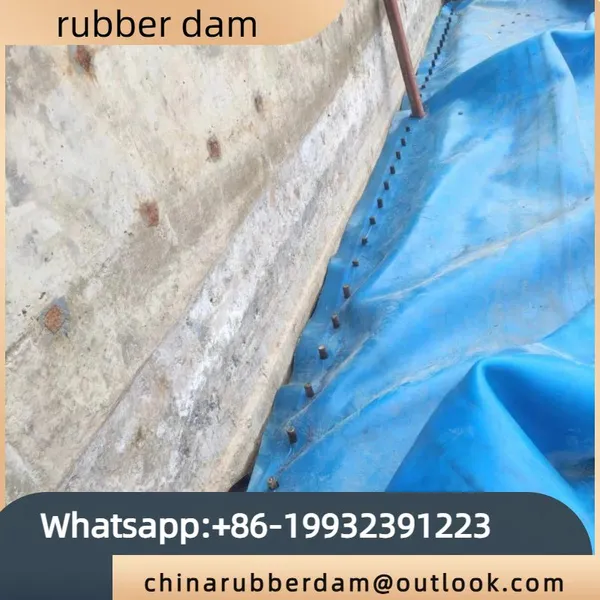
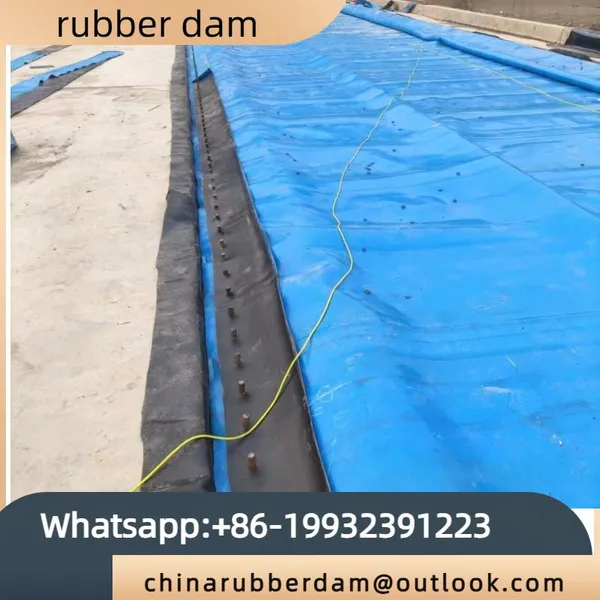
 River Water Storage Landscape Rubber Sluice Bag Rubber Dam Water Filling River Blocking Dam Embankment Inflatable DamUS$ 5200 - 6500MOQ: 1 Bag
 -
Small Rubber Dam Slope Inflatable Landscape Dam Can be CustomizedUS$ 5200 - 6500MOQ: 1 Bag
-
Whole Slope Landscape Ecological Rubber Dam Spot Circular Rubber DamUS$ 5200 - 6500MOQ: 1 Bag
-
Customized Production of Book Style Inflatable Flood Control Dam, Retaining Dam, Steel Wire Boneless Rubber DamUS$ 5201 - 6500MOQ: 1 Bag
-
Small Inflatable Rubber Dam Water Injection Rubber Dam Bag Dam Source ManufacturerUS$ 5201 - 6500MOQ: 1 Bag

-
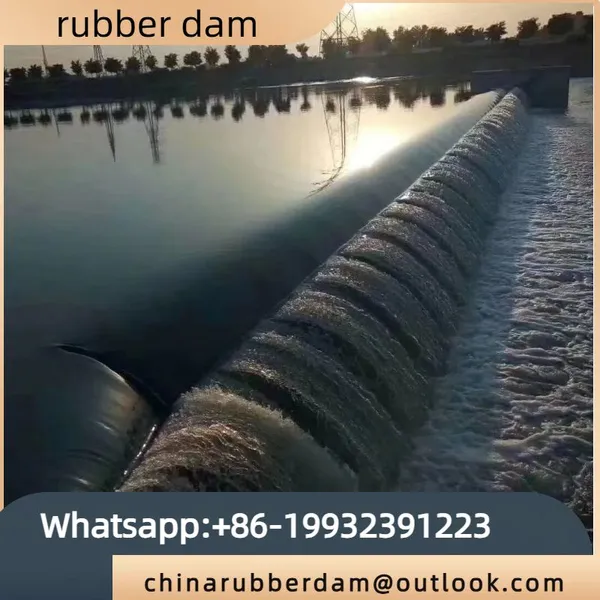
Supply Rubber Dam With Dam, Inflatable Dam for Sale in StockUS$ 5200 - 6500MOQ: 1 Bag
-
Large Scale Hydraulic Engineering Hydraulic Steel Dam Landscape Hydraulic Dam in Hebei, China, Replica Steel Gate Rubber Dam for Retaining DamUS$ 5200 - 6500MOQ: 1 Bag
-
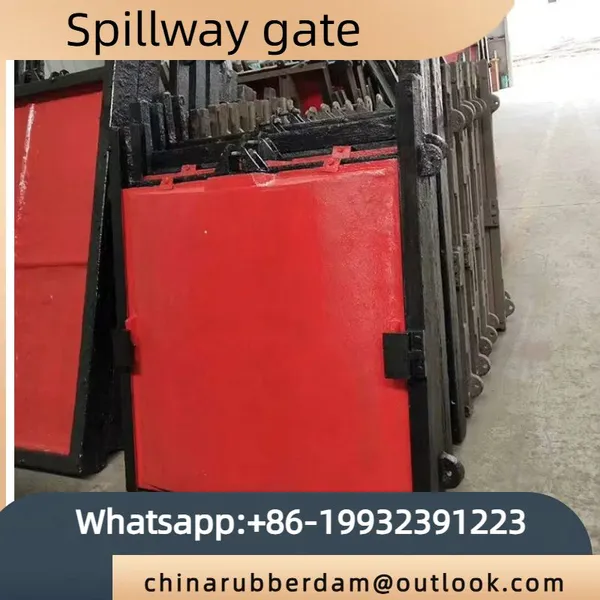
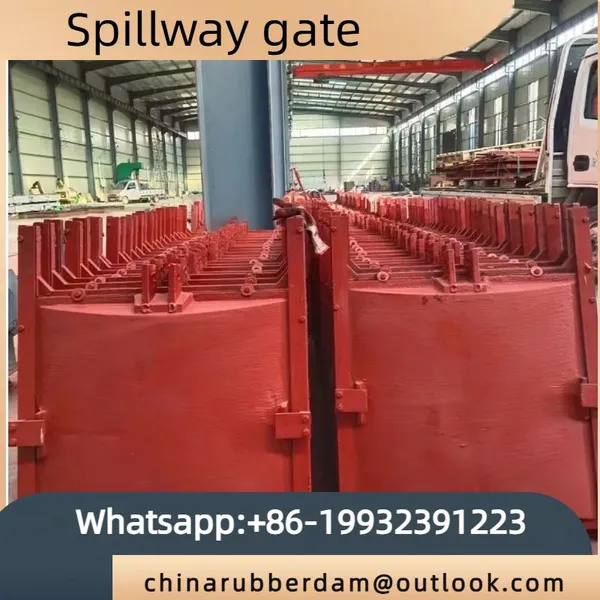
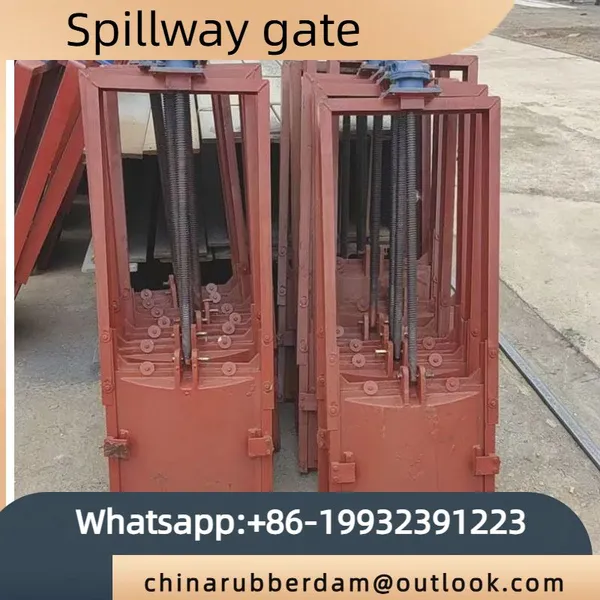
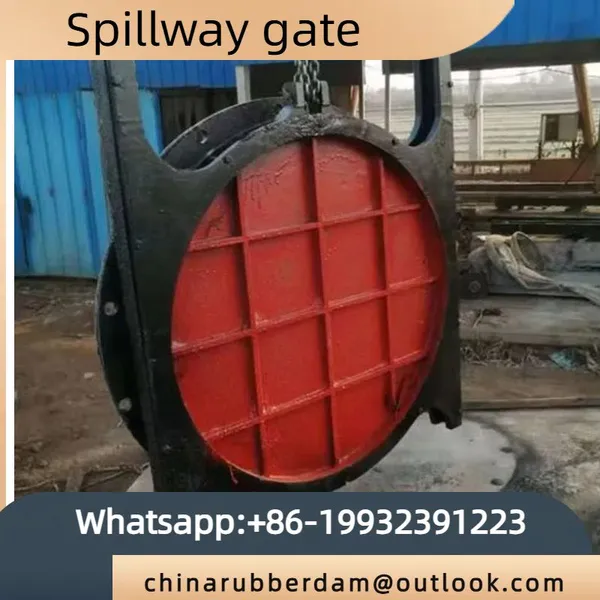
Cast Iron Square Gate/Source Manufacturer Cast Iron Gate SFZ-2000x2000 Matched With Electric Hoist Screw RodUS$ 999 - 1200MOQ: 10 Pairs
-
Steel Gate Source Manufacturer Supplies Stainless Steel Gate ZSZ-2400x2400 Water Stop GateUS$ 999 - 1200MOQ: 10 Pairs
-
Round Copper Inlaid Cast Iron Gate/Manufacturer Produces Concealed Cast Iron Gate AYZ500 Hoist Cast Iron GateUS$ 999 - 1200MOQ: 10 Pairs
-
Stainless Steel Gate Manufacturer Produces ZSZ Type Water Stop Gate, Two-way Water Control Gate, Customized in Hebei, ChinaUS$ 999 - 1200MOQ: 10 Pairs
-
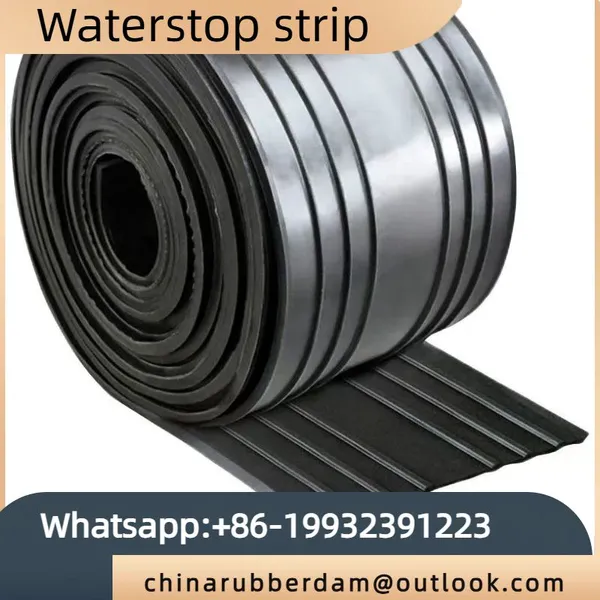
Steel Edge Rubber Waterstop Manufacturer in Stock, Wholesale in Large Quantities, With Good Sealing and Detachable Rubber WaterstopUS$ 50 - 79MOQ: 100 Meters
-
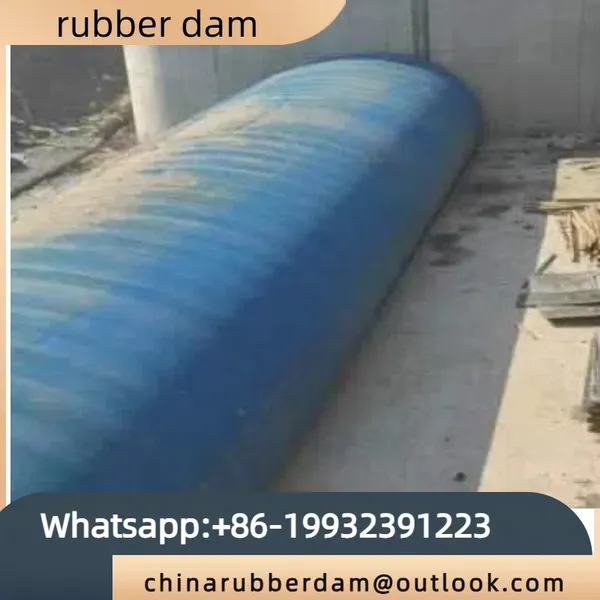
Construction of Water Injection Rubber Dam Factory, River Interception Dam, Gas Shield Dam Interception Dam ProjectUS$ 5200 - 6500MOQ: 1 Bag
-
Slope Pillow Type Water Filled Rubber Dam Construction Rubber Dam Solid FactoryUS$ 5199 - 6500MOQ: 1 Bag
-
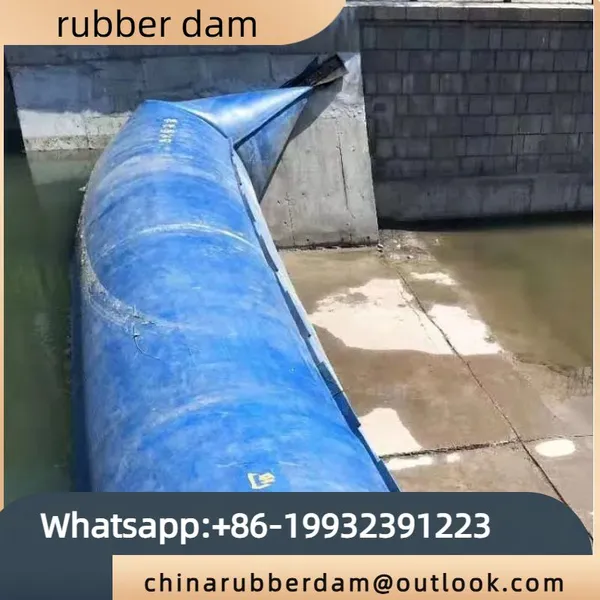
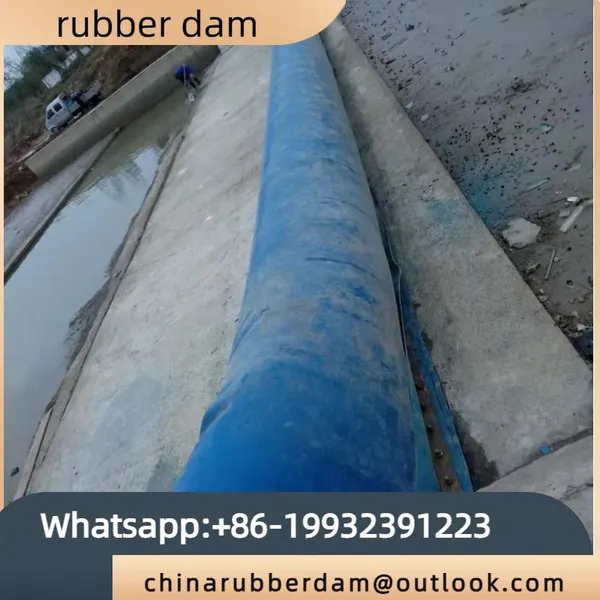
New Rubber Dam Garden Style Dam, Simple Dam, Automatic Lifting Rolling Dam, in StockUS$ 5200 - 6499MOQ: 1 Bag
-
Customized Automatic Lifting Dam for Horizontal Steel Dam Under Hydraulic Supply, River Interception, Water StorageUS$ 5200 - 6600MOQ: 1 Bag
-
Large Supply of Inflatable Rubber Dams for River and Water Interception Without Overlapping JointsUS$ 5200 - 6500MOQ: 1 Bag
-
Repair and Replace Small River Flood Prevention and Control Dams, Air Shield Dams, Seamless Overlapping Rubber DamsUS$ 5200 - 6500MOQ: 1 Bag
-
Factory Sales of Slope Type Water Filled Rubber Dam. Chinese Strong Merchants Can Customize According to Their PicturesUS$ 5200 - 6500MOQ: 1 Bag
-
The Manufacturer Supplies a Large Number of ZSZ Type Water Gates, Bi-directional Water Gates, Stainless Steel Gates, and Various Types of GatesUS$ 1000 - 1201MOQ: 10 Pairs