Hengshui Aiye Machinery Equipment Co., Ltd.
 Business License
Main Products: rubber dam, Inflatable rubber dams, Hydraulic elevator dam, Cast iron gates

The Material of Closed-Cell Foam Board
Mrs. Wendy
June 26, 2025
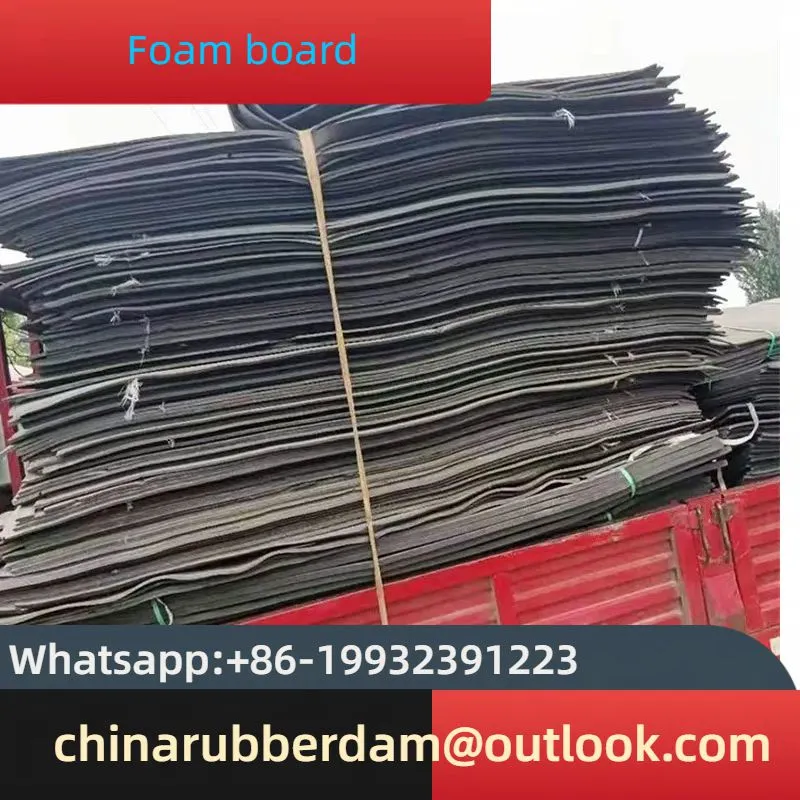
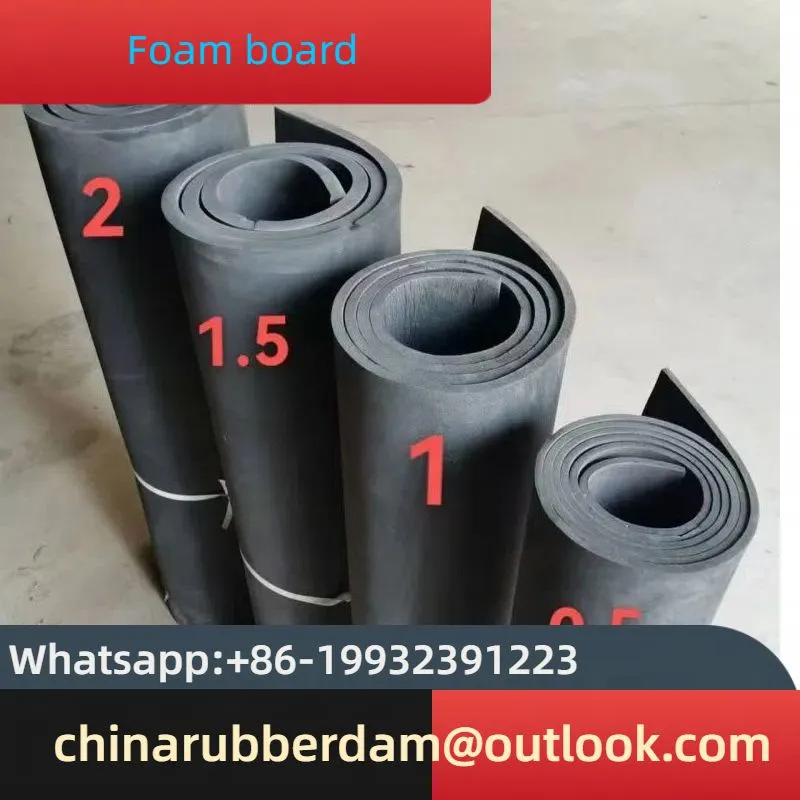
Closed-cell foam board is a remarkable engineering material that has gained widespread use across numerous industries due to its unique structure and a wide range of advantageous properties. At its core, the distinctiveness of closed-cell foam board lies in its cellular structure, where each cell is a sealed, independent unit, separated from its neighbors by cell walls. This closed-cell structure endows the material with properties that set it apart from open-cell foams and many other conventional materials.
The primary materials used in the production of closed-cell foam boards vary depending on the specific application requirements and desired performance characteristics. One of the most commonly employed base materials is polyethylene (PE). High-density polyethylene (HDPE) and low-density polyethylene (LDPE) are frequently utilized. HDPE-based closed-cell foam boards offer excellent chemical resistance, high strength, and durability, making them suitable for outdoor applications, such as construction projects where they may be exposed to harsh weather conditions and various chemicals. LDPE-based foam boards, on the other hand, provide better flexibility and impact resistance, which is beneficial for applications that require some degree of bending or shock absorption.
Polypropylene (PP) is another popular material for closed-cell foam boards. PP-based foams are known for their good heat resistance, allowing them to maintain their structural integrity and performance even at relatively high temperatures. This makes them ideal for applications in the automotive industry, such as under-the-hood components, where they need to withstand the heat generated by the engine. Additionally, PP closed-cell foams have low moisture absorption rates, ensuring that they do not swell or lose their properties when exposed to humid environments.
Polystyrene (PS) is also used to create closed-cell foam boards, especially in applications where lightweight and good insulation properties are required. Expanded polystyrene (EPS) and extruded polystyrene (XPS) are two common forms. EPS is widely used in packaging due to its low cost and excellent cushioning capabilities, protecting delicate items during transportation. XPS, with its higher density and better thermal insulation, is often used in building insulation systems, helping to reduce heat transfer and improve energy efficiency in buildings.
In addition to these base polymers, various additives may be incorporated into the material during the manufacturing process to further enhance specific properties. Flame retardants can be added to improve fire resistance, making the closed-cell foam board suitable for applications where fire safety is a concern, such as in interior building finishes. UV stabilizers are used to protect the material from degradation caused by ultraviolet radiation, extending its lifespan in outdoor applications. Fillers like calcium carbonate can be added to increase the stiffness and dimensional stability of the foam board.
The manufacturing process of closed-cell foam boards typically involves techniques such as extrusion, injection molding, or compression molding. In the extrusion process, the polymer material, along with the necessary additives, is melted and forced through a die, which shapes the foam board. Gas is then introduced into the molten polymer, causing it to expand and form the closed-cell structure as it cools. Injection molding is often used for producing foam boards with complex shapes, where the molten foam material is injected into a mold cavity under high pressure. Compression molding, on the other hand, involves placing pre-foamed material into a mold and applying heat and pressure to consolidate and shape it.
The unique material composition and structure of closed-cell foam boards result in several outstanding performance features. Their closed-cell nature provides excellent water resistance, making them an ideal choice for applications such as waterproof barriers in construction, floating docks, and marine applications. The independent cells also contribute to superior thermal insulation, reducing the transfer of heat and cold. This property makes closed-cell foam boards highly valuable in the building and construction industry for insulating walls, roofs, and floors, as well as in the refrigeration and cold storage sectors.
Furthermore, closed-cell foam boards offer good acoustic insulation, effectively reducing noise transmission. This is beneficial in various settings, including residential buildings, commercial spaces, and transportation vehicles. Their low density, combined with adequate strength and stiffness, makes them lightweight yet robust materials, which is advantageous in applications where weight reduction is crucial, such as in the aerospace and automotive industries.
In conclusion, the material of closed-cell foam board is a carefully engineered combination of base polymers and additives, processed through specific manufacturing techniques to create a material with a unique closed-cell structure. This structure, along with the properties imparted by the materials used, enables closed-cell foam boards to perform exceptionally well in a diverse range of applications, making them an indispensable material in modern engineering and manufacturing
Share
Recently Posted
-
Water Stop Steel Plate: Material and Applications
June 26, 2025IntroductionWater stop steel plate, also known as steel water stop, steel water bar, or anti - seepage steel strip, is a crucial s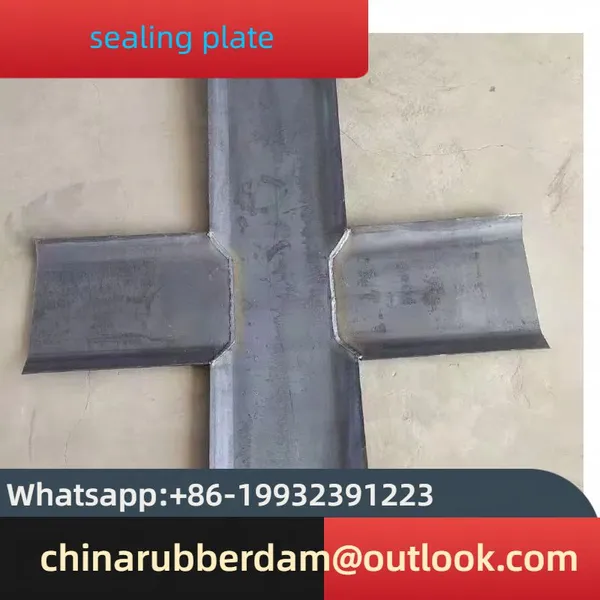 Read More
 -
Steel and Copper Plates Play Key Roles in Architectural Waterproofing
June 26, 2025In the realm of construction, ensuring effective waterproofing is of utmost importance. Steel and copper plates have emerged as cr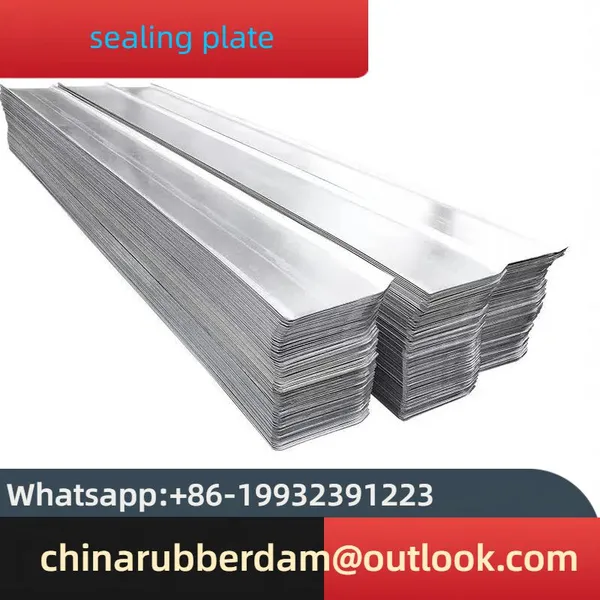 Read More
 -
Installation Steps and Precautions of Gabion Nets
June 26, 2025In recent infrastructure and environmental protection projects, gabion nets have emerged as a popular choice due to their durabili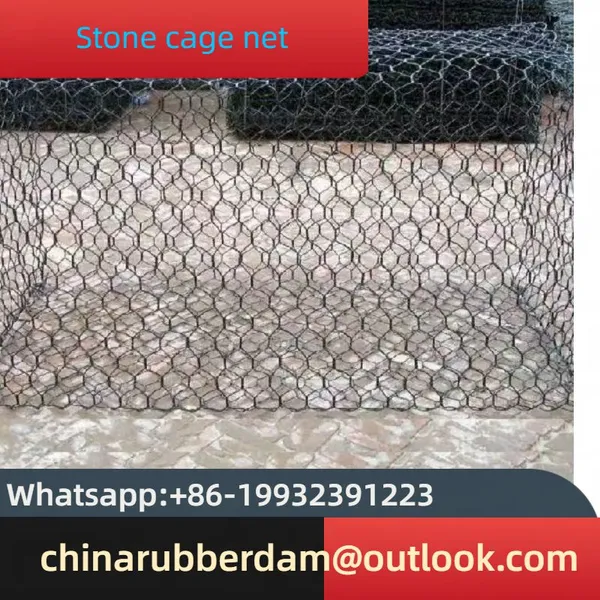 Read More
 -
Applications of Gabion Mesh: Protecting and Enhancing the Environment
June 26, 2025In recent years, gabion mesh has emerged as a versatile and effective solution for a wide range of applications, particularly in t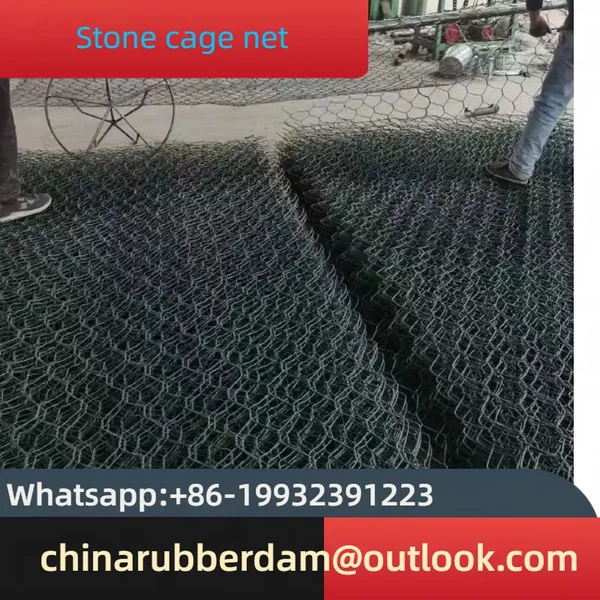 Read More

Contact Us
Recommended Products
-
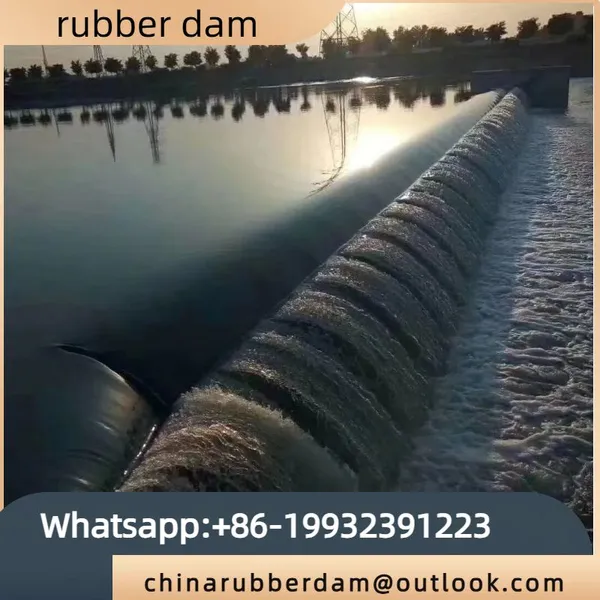
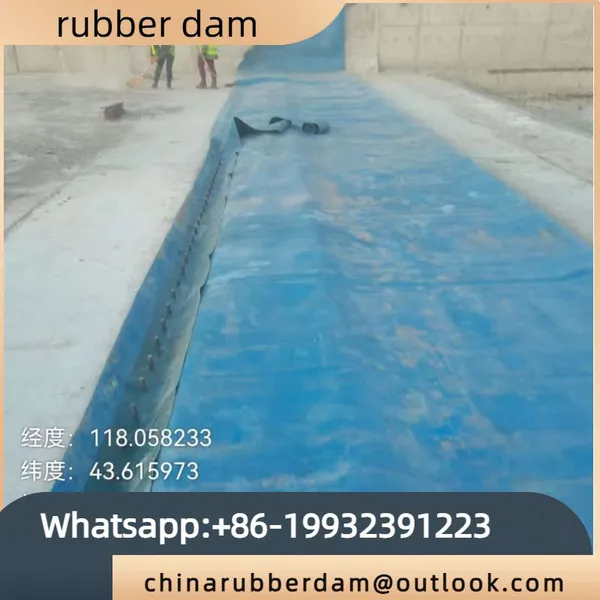
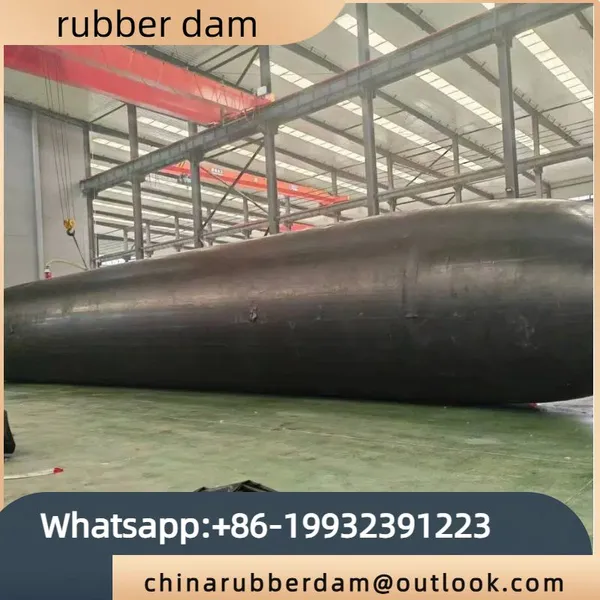
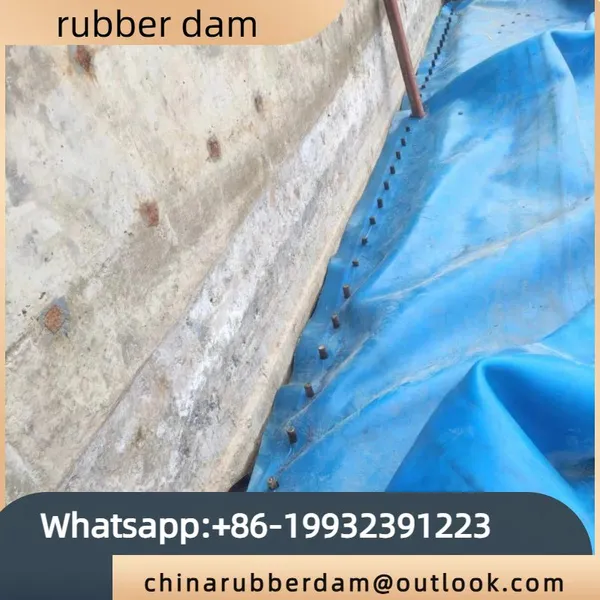
 River Water Storage Landscape Rubber Sluice Bag Rubber Dam Water Filling River Blocking Dam Embankment Inflatable DamUS$ 5200 - 6500MOQ: 1 Bag
 -
Small Rubber Dam Slope Inflatable Landscape Dam Can be CustomizedUS$ 5200 - 6500MOQ: 1 Bag
-
Whole Slope Landscape Ecological Rubber Dam Spot Circular Rubber DamUS$ 5200 - 6500MOQ: 1 Bag
-
Customized Production of Book Style Inflatable Flood Control Dam, Retaining Dam, Steel Wire Boneless Rubber DamUS$ 5201 - 6500MOQ: 1 Bag
-
Small Inflatable Rubber Dam Water Injection Rubber Dam Bag Dam Source ManufacturerUS$ 5201 - 6500MOQ: 1 Bag

-
Supply Rubber Dam With Dam, Inflatable Dam for Sale in StockUS$ 5200 - 6500MOQ: 1 Bag
-
Large Scale Hydraulic Engineering Hydraulic Steel Dam Landscape Hydraulic Dam in Hebei, China, Replica Steel Gate Rubber Dam for Retaining DamUS$ 5200 - 6500MOQ: 1 Bag
-
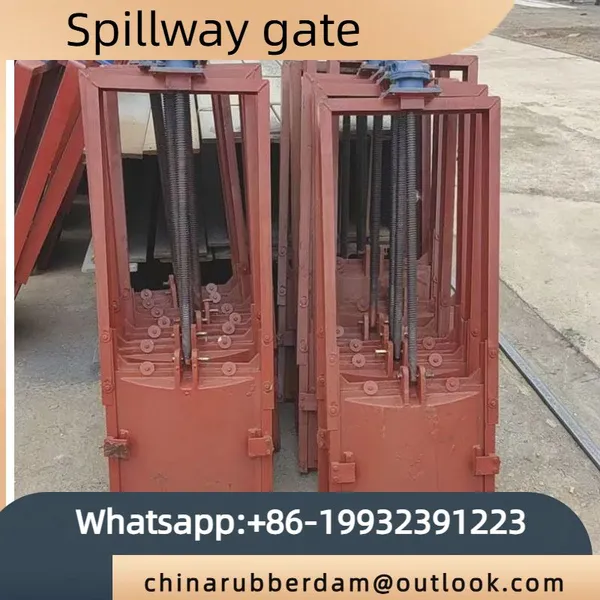
Cast Iron Square Gate/Source Manufacturer Cast Iron Gate SFZ-2000x2000 Matched With Electric Hoist Screw RodUS$ 999 - 1200MOQ: 10 Pairs
-
Steel Gate Source Manufacturer Supplies Stainless Steel Gate ZSZ-2400x2400 Water Stop GateUS$ 999 - 1200MOQ: 10 Pairs
-
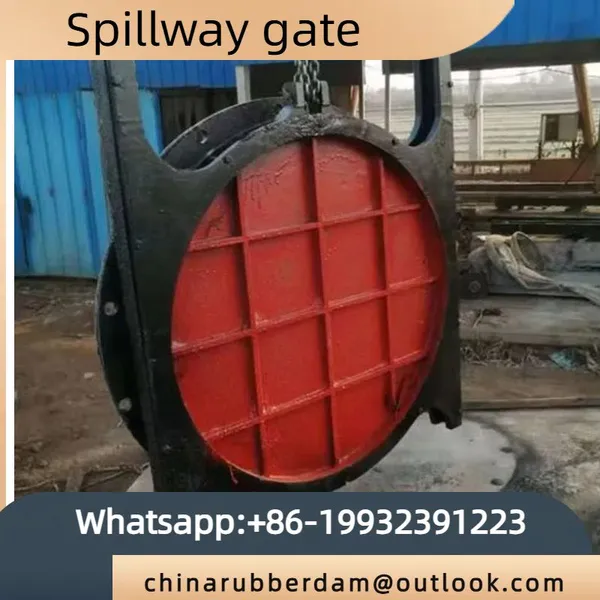
Round Copper Inlaid Cast Iron Gate/Manufacturer Produces Concealed Cast Iron Gate AYZ500 Hoist Cast Iron GateUS$ 999 - 1200MOQ: 10 Pairs
-
Stainless Steel Gate Manufacturer Produces ZSZ Type Water Stop Gate, Two-way Water Control Gate, Customized in Hebei, ChinaUS$ 999 - 1200MOQ: 10 Pairs
-
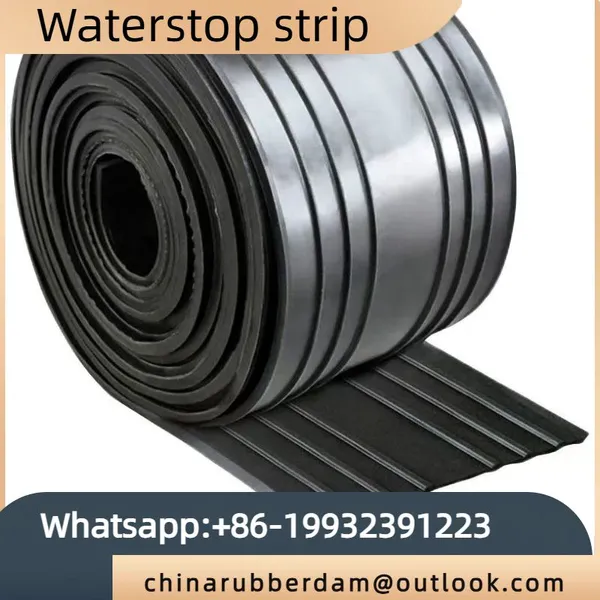
Steel Edge Rubber Waterstop Manufacturer in Stock, Wholesale in Large Quantities, With Good Sealing and Detachable Rubber WaterstopUS$ 50 - 79MOQ: 100 Meters
-
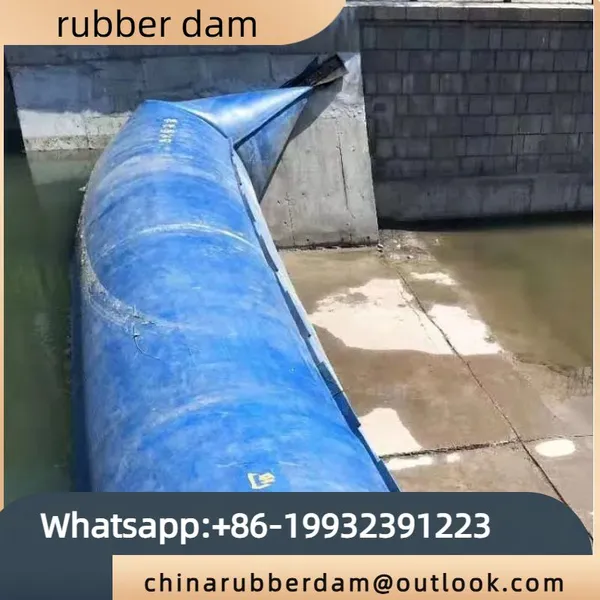
Construction of Water Injection Rubber Dam Factory, River Interception Dam, Gas Shield Dam Interception Dam ProjectUS$ 5200 - 6500MOQ: 1 Bag
-
Slope Pillow Type Water Filled Rubber Dam Construction Rubber Dam Solid FactoryUS$ 5199 - 6500MOQ: 1 Bag
-
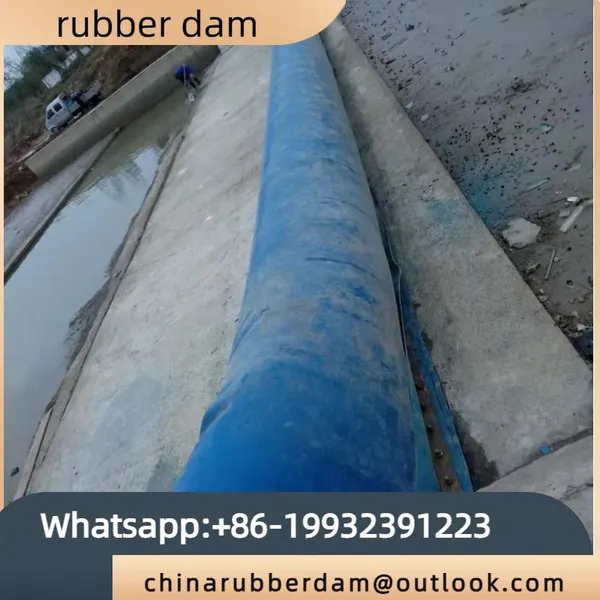
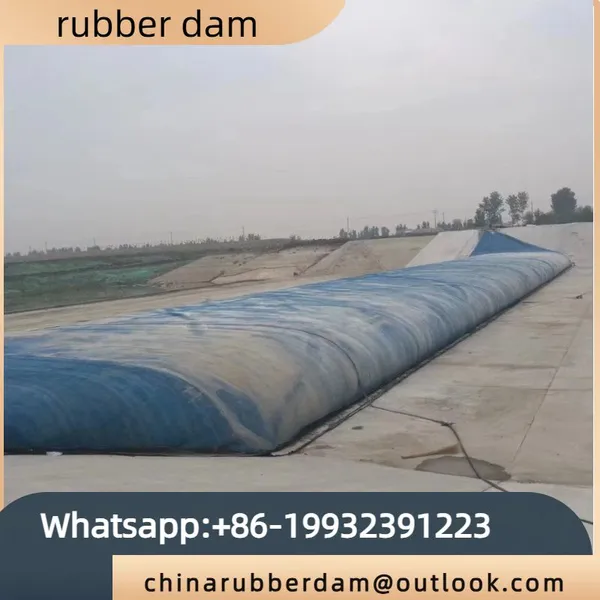
New Rubber Dam Garden Style Dam, Simple Dam, Automatic Lifting Rolling Dam, in StockUS$ 5200 - 6499MOQ: 1 Bag
-
Customized Automatic Lifting Dam for Horizontal Steel Dam Under Hydraulic Supply, River Interception, Water StorageUS$ 5200 - 6600MOQ: 1 Bag
-
Large Supply of Inflatable Rubber Dams for River and Water Interception Without Overlapping JointsUS$ 5200 - 6500MOQ: 1 Bag
-
Repair and Replace Small River Flood Prevention and Control Dams, Air Shield Dams, Seamless Overlapping Rubber DamsUS$ 5200 - 6500MOQ: 1 Bag
-
Factory Sales of Slope Type Water Filled Rubber Dam. Chinese Strong Merchants Can Customize According to Their PicturesUS$ 5200 - 6500MOQ: 1 Bag
-
The Manufacturer Supplies a Large Number of ZSZ Type Water Gates, Bi-directional Water Gates, Stainless Steel Gates, and Various Types of GatesUS$ 1000 - 1201MOQ: 10 Pairs