Hengshui Aiye Machinery Equipment Co., Ltd.
 Business License
Main Products: rubber dam, Inflatable rubber dams, Hydraulic elevator dam, Cast iron gates

Dust - Proof Geotextiles: Applications Across Diverse Scenarios
Mrs. Wendy
June 26, 2025
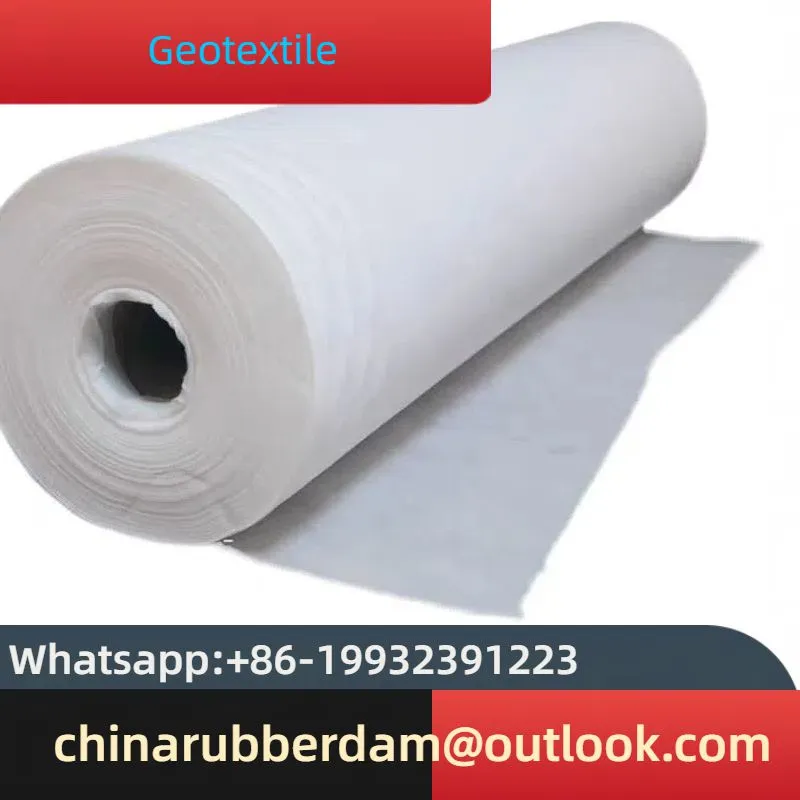
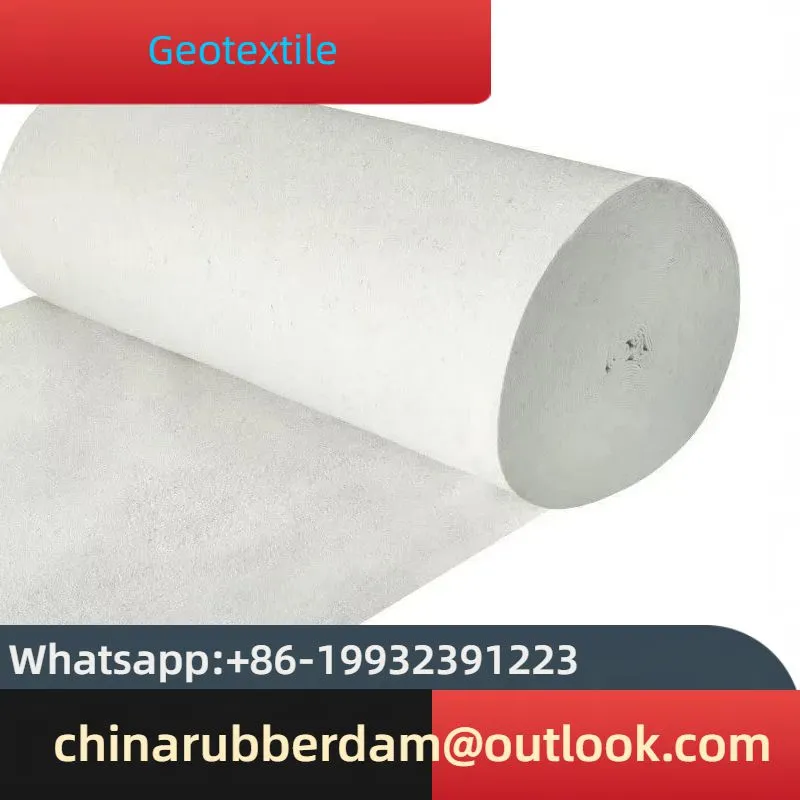
In recent years, dust - proof geotextiles have emerged as a crucial solution in various construction and environmental protection projects. These specialized textiles, typically made from polyester or polypropylene fibers, offer excellent water permeability, high tensile strength, and corrosion resistance. Their primary function is to prevent the spread of dust and soil particles, thereby maintaining a clean and healthy environment.
Construction Sites: Taming the Dust
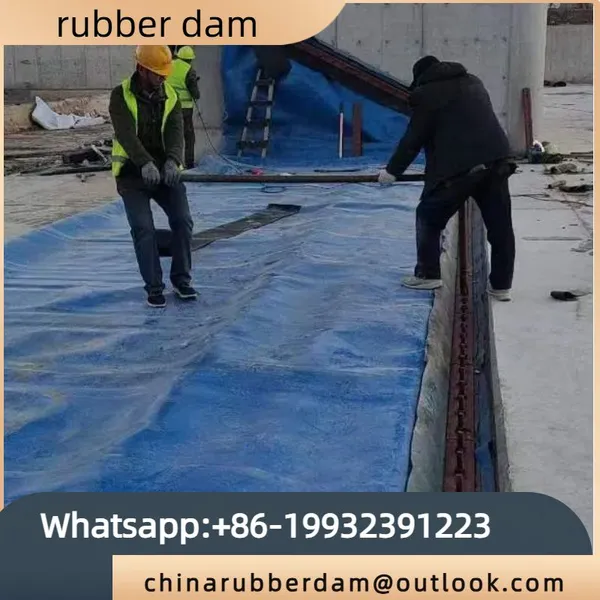
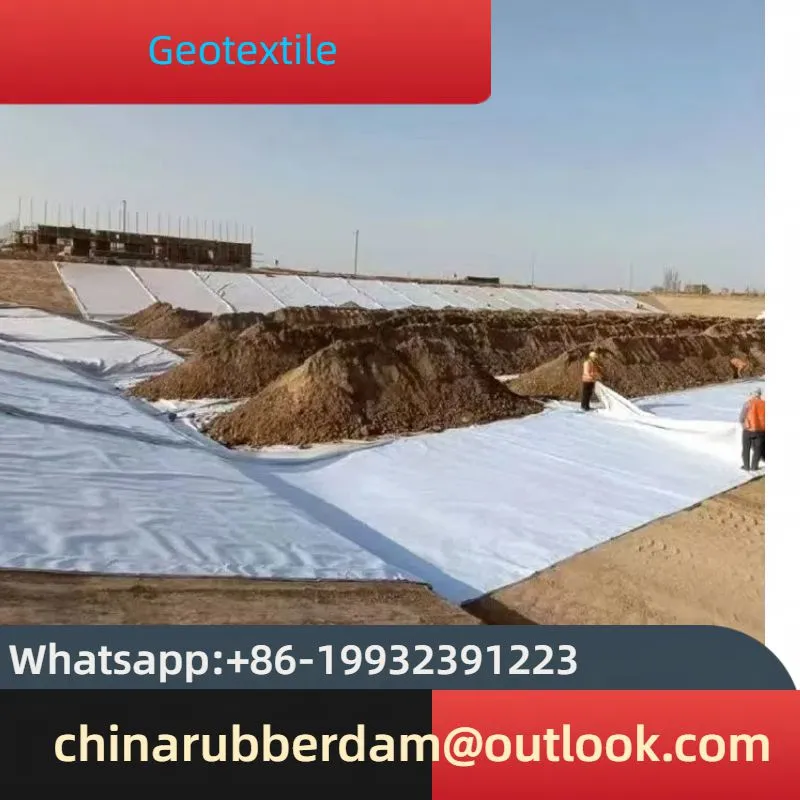
Construction sites are notorious for generating large amounts of dust, which not only affects the quality of work but also poses a significant risk to the health of workers and nearby residents. Dust - proof geotextiles play a vital role in such environments. By covering exposed soil and construction materials, these geotextiles effectively block dust from being carried into the air by wind or machinery. For example, in large - scale building projects, geotextiles are spread over piles of sand, gravel, and excavated earth, reducing the amount of airborne dust particles. This not only complies with environmental regulations but also improves the overall working conditions on the site.
Road Construction: Keeping the Routes Clean
During road construction, dust - proof geotextiles are used in multiple ways. When new roads are being built or existing ones are being repaired, the excavation and movement of soil can cause substantial dust pollution. Geotextiles are placed on the ground to separate different soil layers and prevent the mixing of materials. Additionally, they are used as a temporary surface covering on unpaved sections of the road, preventing soil particles from being kicked up by passing vehicles. This application is particularly important in urban areas, where minimizing dust pollution is crucial for the well - being of the local population.
Water Conservancy Projects: Protecting Banks and Dams
In water conservancy projects such as embankments, dams, and canals, dust - proof geotextiles have a dual - purpose. Firstly, they help in soil reinforcement, strengthening the structure of the banks and dams. Secondly, they act as a filter for water flow. By allowing water to pass through while retaining soil particles, they prevent soil erosion. For instance, along riverbanks, geotextiles are installed to slow down the flow of water during floods, reducing the impact on the soil and preventing it from being washed away. This not only protects the integrity of the water - related structures but also helps in maintaining the ecological balance of the surrounding areas.
Mining Areas: Controlling Dust Pollution
Mining activities often result in large amounts of dust being released into the atmosphere. Dust - proof geotextiles are used to cover mining waste piles and stockpiles of minerals. This prevents the dust from these materials from being carried away by the wind, which could lead to air pollution in the nearby communities and environmental degradation. In addition, geotextiles can be used in the construction of tailings dams, providing an extra layer of protection against leakage and dust emissions.
Landfills: Environmental Protection Barriers
At landfills, dust - proof geotextiles serve as an important isolation layer. They are placed over waste materials to prevent the release of dust and harmful gases into the air. Moreover, they help in preventing the penetration of water into the landfill, which could lead to the leaching of contaminants into the groundwater. By using geotextiles, landfills can operate in a more environmentally friendly manner, reducing their impact on the surrounding environment.
In conclusion, dust - proof geotextiles have a wide range of applications across different industries. Their ability to control dust, protect soil, and improve environmental conditions makes them an essential component in modern construction and environmental protection projects. As environmental awareness continues to grow, the demand for these effective and versatile products is expected to increase significantly
Share
Recently Posted
-
Water Stop Steel Plate: Material and Applications
June 26, 2025IntroductionWater stop steel plate, also known as steel water stop, steel water bar, or anti - seepage steel strip, is a crucial s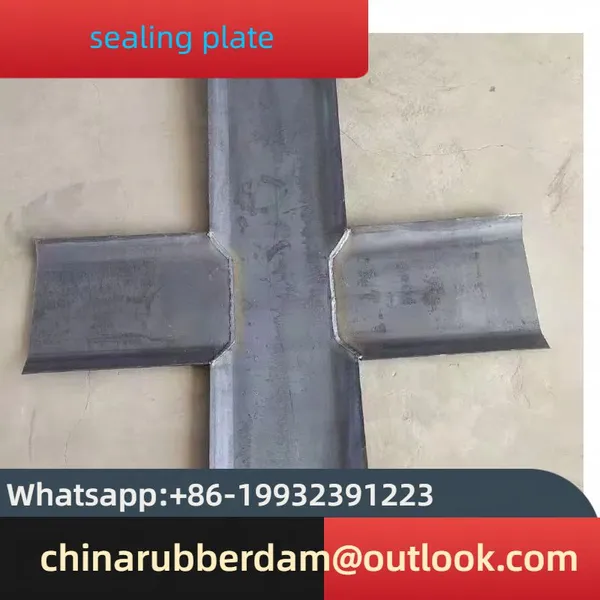 Read More
 -
Steel and Copper Plates Play Key Roles in Architectural Waterproofing
June 26, 2025In the realm of construction, ensuring effective waterproofing is of utmost importance. Steel and copper plates have emerged as cr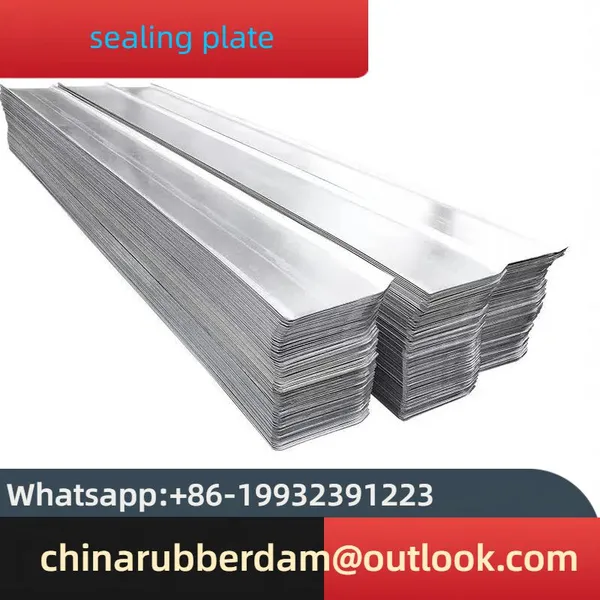 Read More
 -
Installation Steps and Precautions of Gabion Nets
June 26, 2025In recent infrastructure and environmental protection projects, gabion nets have emerged as a popular choice due to their durabili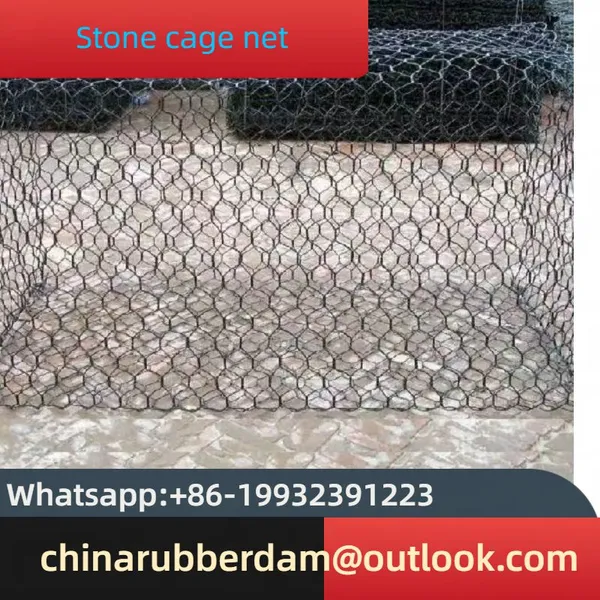 Read More
 -
Applications of Gabion Mesh: Protecting and Enhancing the Environment
June 26, 2025In recent years, gabion mesh has emerged as a versatile and effective solution for a wide range of applications, particularly in t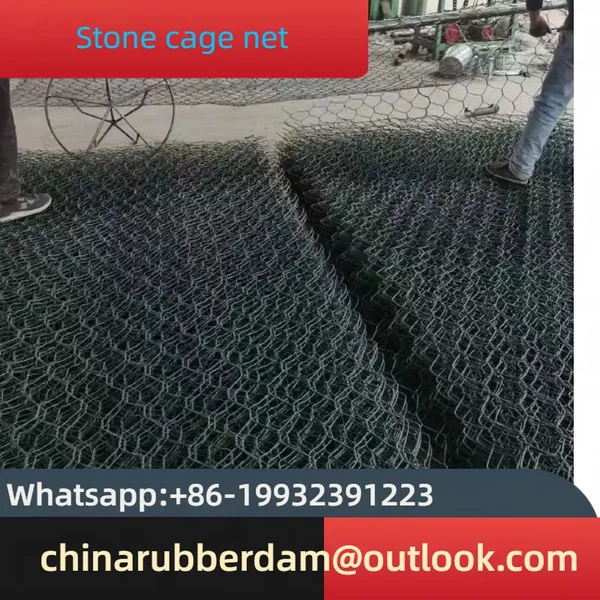 Read More

Contact Us
Recommended Products
-
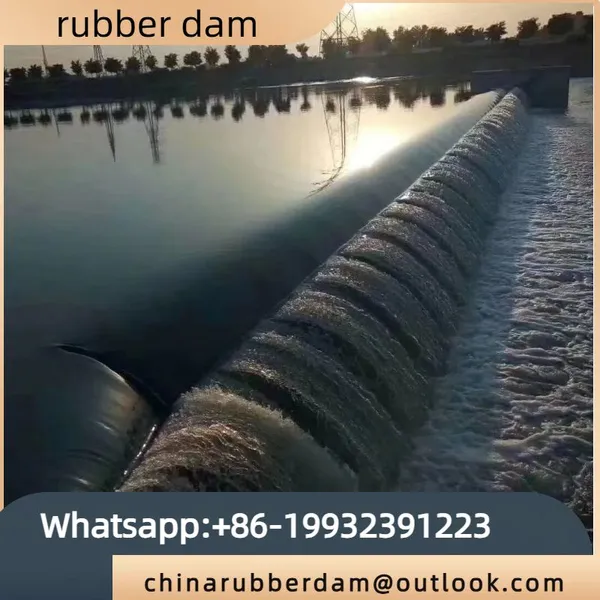
 River Water Storage Landscape Rubber Sluice Bag Rubber Dam Water Filling River Blocking Dam Embankment Inflatable DamUS$ 5200 - 6500MOQ: 1 Bag
 -
Small Rubber Dam Slope Inflatable Landscape Dam Can be CustomizedUS$ 5200 - 6500MOQ: 1 Bag
-
Whole Slope Landscape Ecological Rubber Dam Spot Circular Rubber DamUS$ 5200 - 6500MOQ: 1 Bag
-
Customized Production of Book Style Inflatable Flood Control Dam, Retaining Dam, Steel Wire Boneless Rubber DamUS$ 5201 - 6500MOQ: 1 Bag
-
Small Inflatable Rubber Dam Water Injection Rubber Dam Bag Dam Source ManufacturerUS$ 5201 - 6500MOQ: 1 Bag
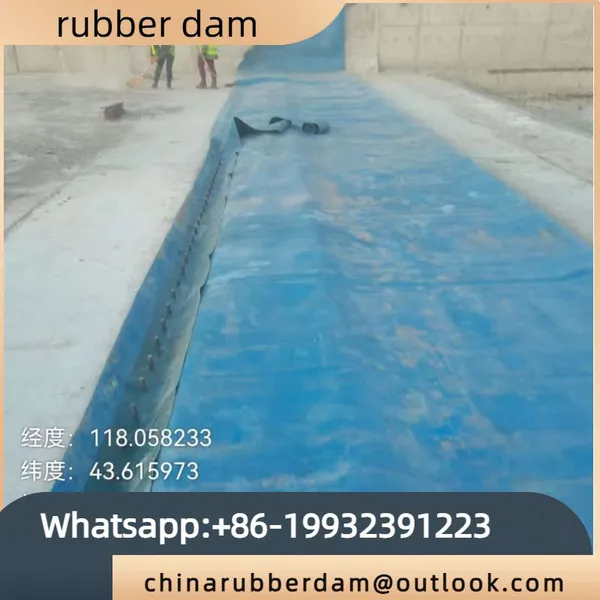

-
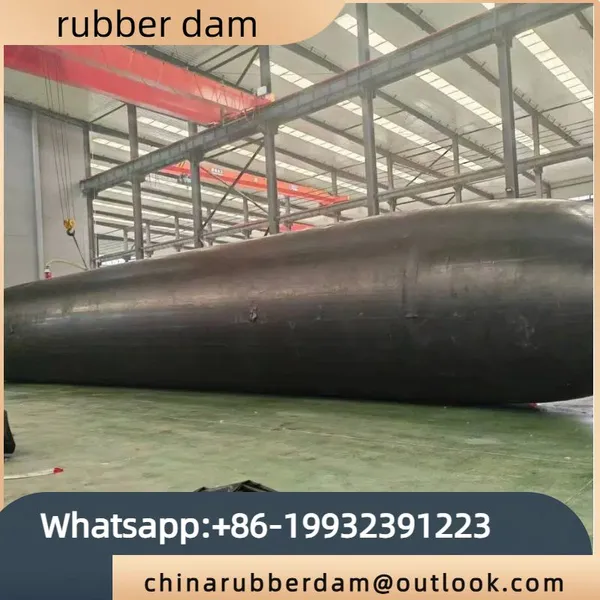
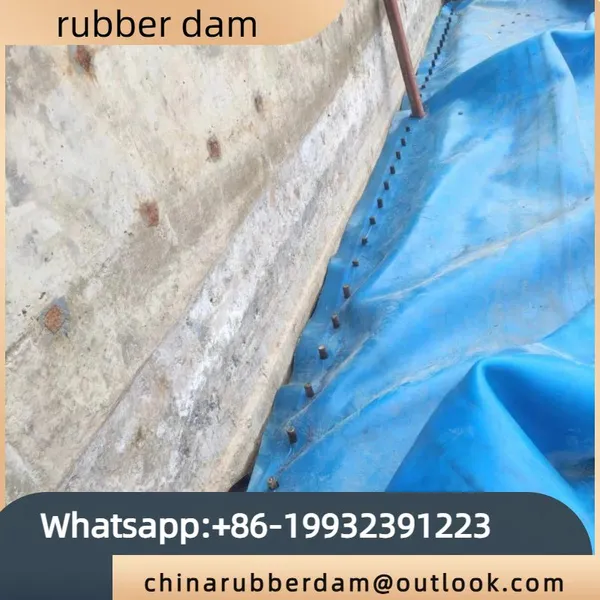
Supply Rubber Dam With Dam, Inflatable Dam for Sale in StockUS$ 5200 - 6500MOQ: 1 Bag
-
Large Scale Hydraulic Engineering Hydraulic Steel Dam Landscape Hydraulic Dam in Hebei, China, Replica Steel Gate Rubber Dam for Retaining DamUS$ 5200 - 6500MOQ: 1 Bag
-
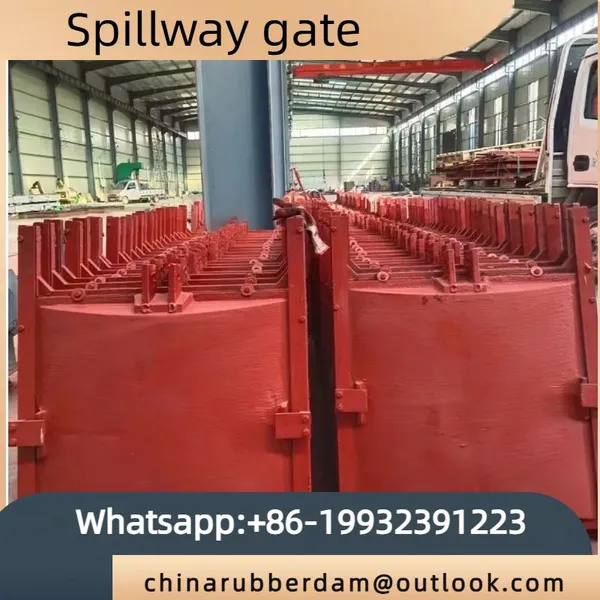
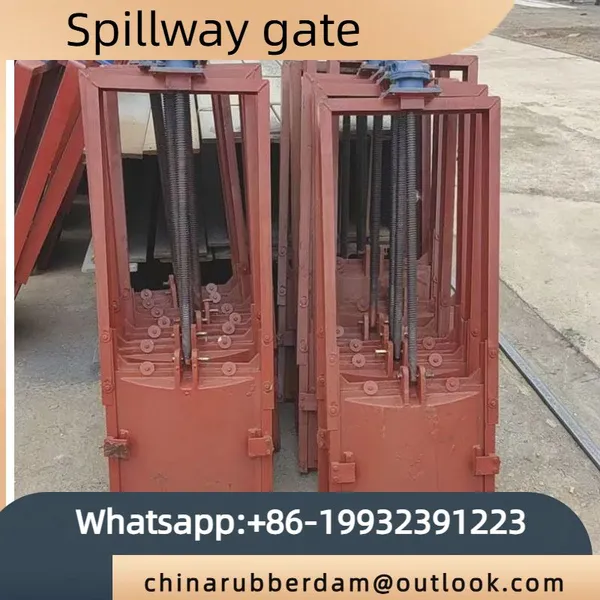
Cast Iron Square Gate/Source Manufacturer Cast Iron Gate SFZ-2000x2000 Matched With Electric Hoist Screw RodUS$ 999 - 1200MOQ: 10 Pairs
-
Steel Gate Source Manufacturer Supplies Stainless Steel Gate ZSZ-2400x2400 Water Stop GateUS$ 999 - 1200MOQ: 10 Pairs
-
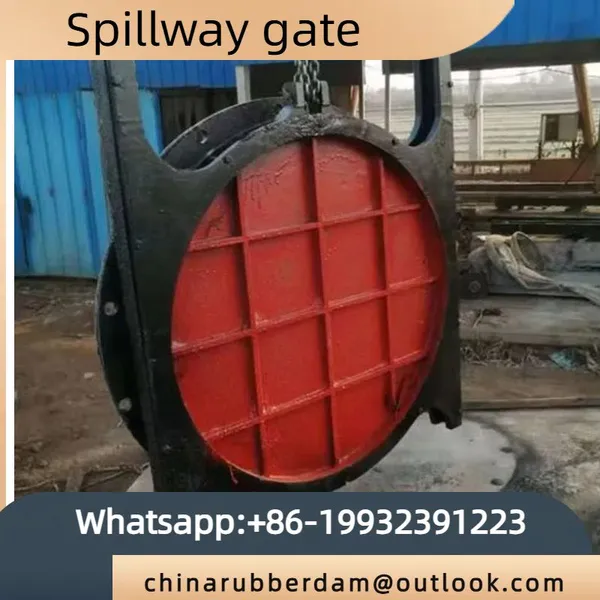
Round Copper Inlaid Cast Iron Gate/Manufacturer Produces Concealed Cast Iron Gate AYZ500 Hoist Cast Iron GateUS$ 999 - 1200MOQ: 10 Pairs
-
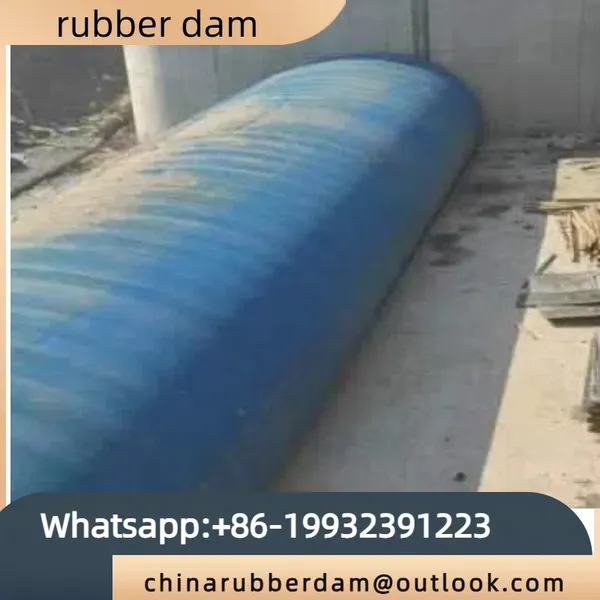
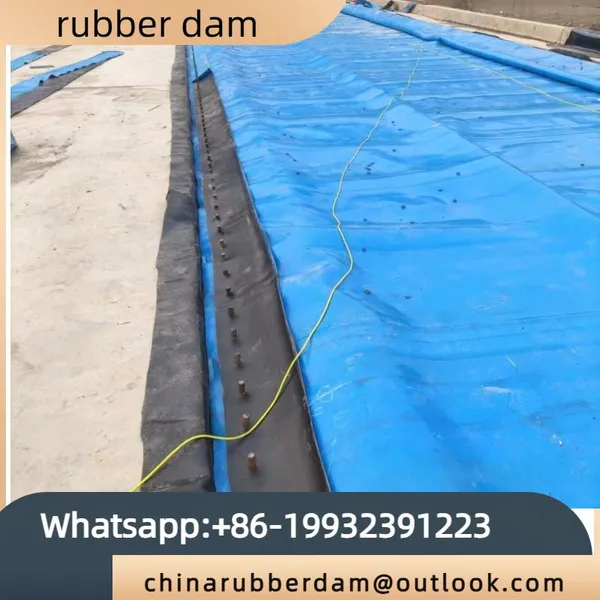
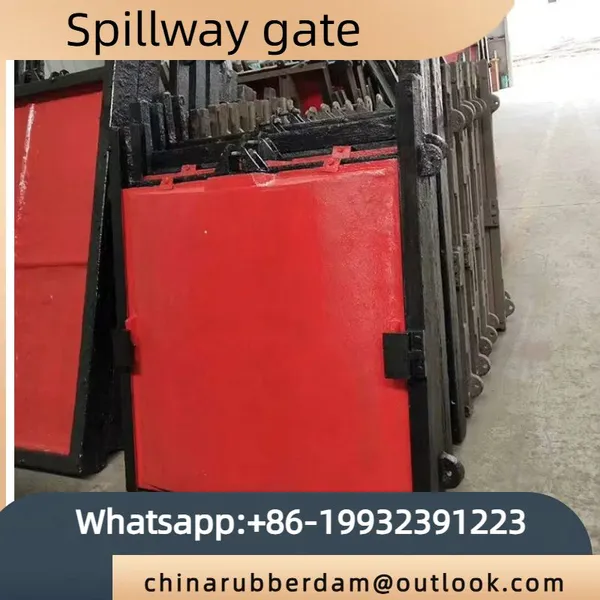
Stainless Steel Gate Manufacturer Produces ZSZ Type Water Stop Gate, Two-way Water Control Gate, Customized in Hebei, ChinaUS$ 999 - 1200MOQ: 10 Pairs
-
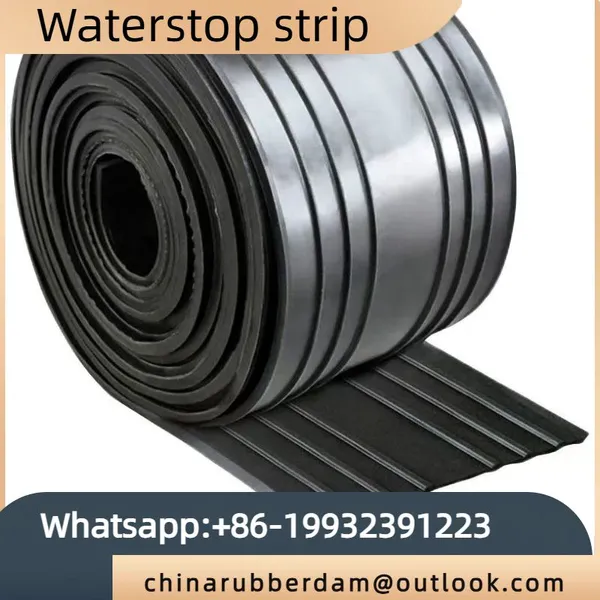
Steel Edge Rubber Waterstop Manufacturer in Stock, Wholesale in Large Quantities, With Good Sealing and Detachable Rubber WaterstopUS$ 50 - 79MOQ: 100 Meters
-
Construction of Water Injection Rubber Dam Factory, River Interception Dam, Gas Shield Dam Interception Dam ProjectUS$ 5200 - 6500MOQ: 1 Bag
-
Slope Pillow Type Water Filled Rubber Dam Construction Rubber Dam Solid FactoryUS$ 5199 - 6500MOQ: 1 Bag
-
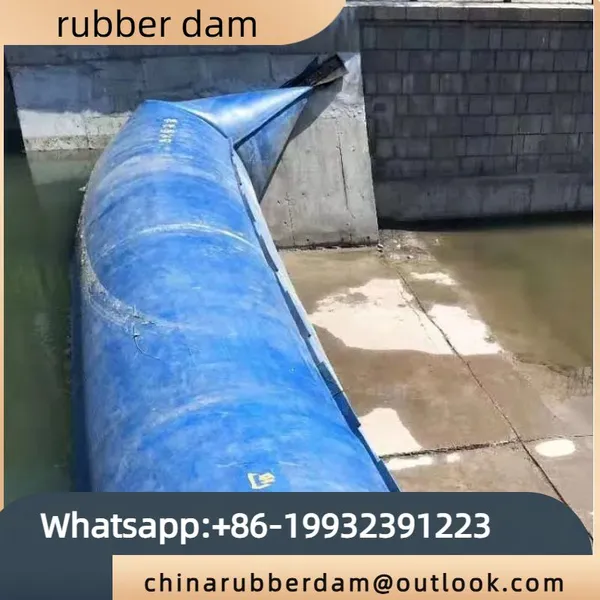
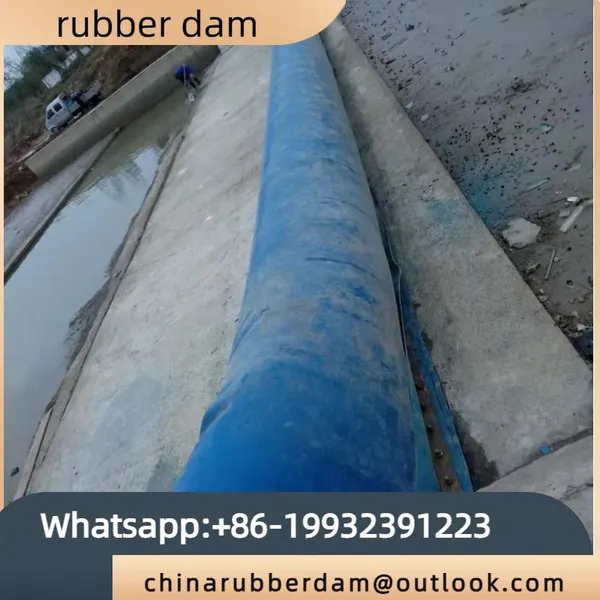
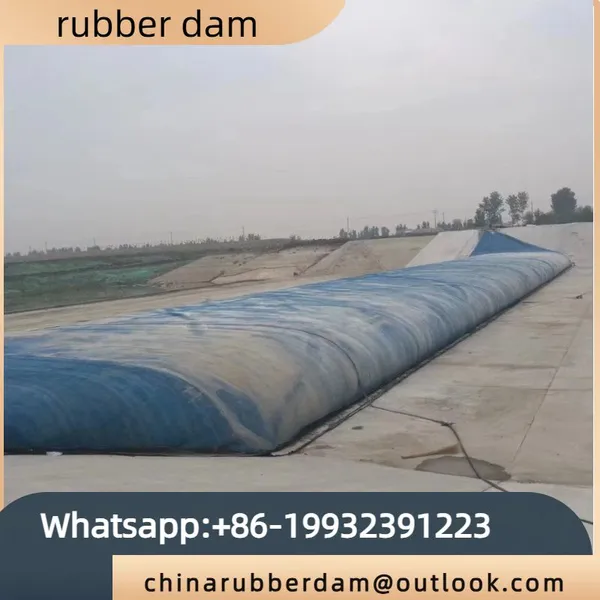
New Rubber Dam Garden Style Dam, Simple Dam, Automatic Lifting Rolling Dam, in StockUS$ 5200 - 6499MOQ: 1 Bag
-
Customized Automatic Lifting Dam for Horizontal Steel Dam Under Hydraulic Supply, River Interception, Water StorageUS$ 5200 - 6600MOQ: 1 Bag
-
Large Supply of Inflatable Rubber Dams for River and Water Interception Without Overlapping JointsUS$ 5200 - 6500MOQ: 1 Bag
-
Repair and Replace Small River Flood Prevention and Control Dams, Air Shield Dams, Seamless Overlapping Rubber DamsUS$ 5200 - 6500MOQ: 1 Bag
-
Factory Sales of Slope Type Water Filled Rubber Dam. Chinese Strong Merchants Can Customize According to Their PicturesUS$ 5200 - 6500MOQ: 1 Bag
-
The Manufacturer Supplies a Large Number of ZSZ Type Water Gates, Bi-directional Water Gates, Stainless Steel Gates, and Various Types of GatesUS$ 1000 - 1201MOQ: 10 Pairs