 Business License

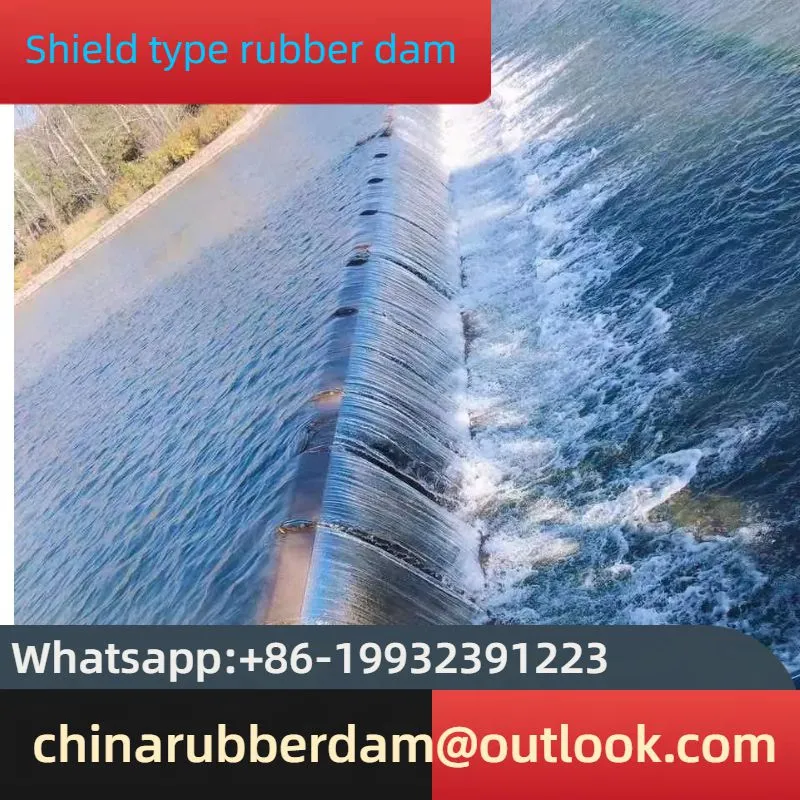
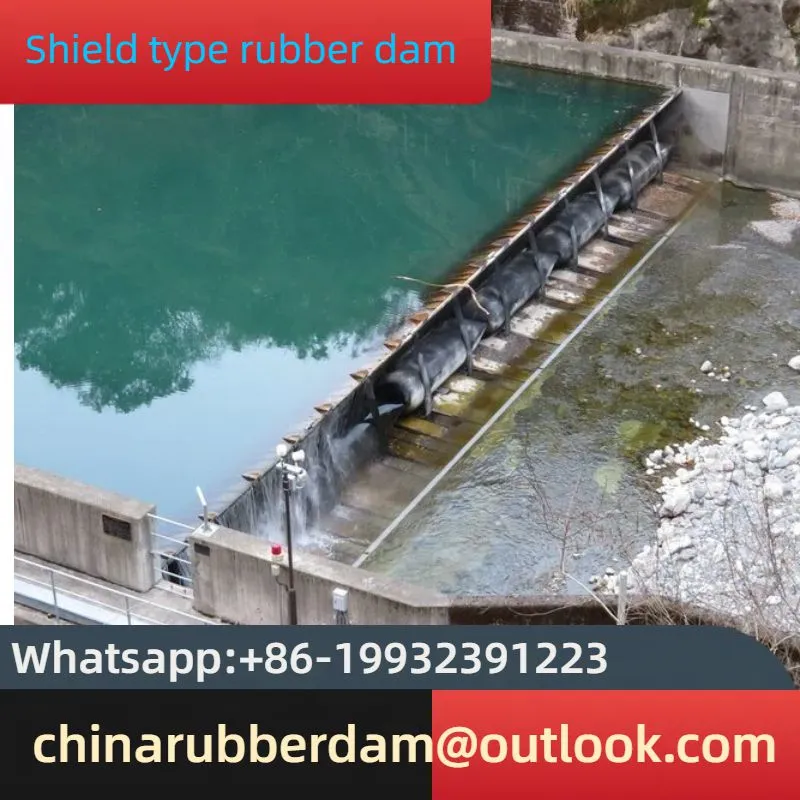
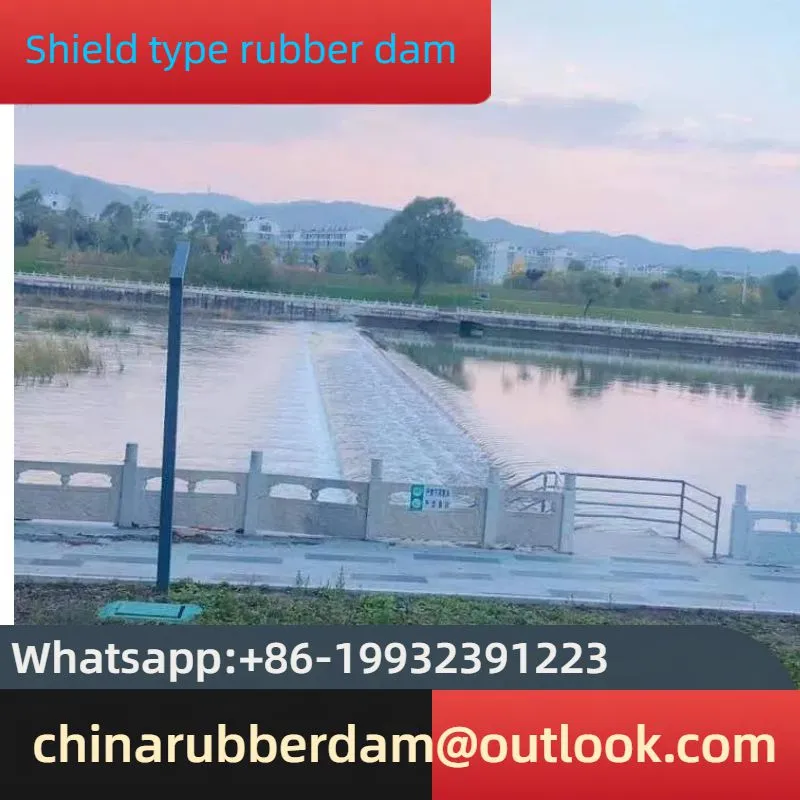
Pneumatic Shield Dam: Composition and Working Principle
Material: The shield plate is usually made of high - strength metals such as stainless steel or carbon steel. Stainless steel has excellent corrosion - resistance, which is suitable for long - term use in water - rich environments. Carbon steel, on the other hand, can be cost - effective and can be further protected by surface treatments like hot - dip galvanizing or polyurea coating to enhance its durability.
Structure: It is composed of a steel panel with a thickness of more than 16mm. The panel is designed in an arc shape, which can better withstand water pressure and evenly distribute the force. Reinforced ribs are welded on the surface of the panel facing the water flow. These ribs play a crucial role in strengthening the structural strength of the shield plate, preventing it from deformation under the impact of water flow.
Size and Connection: Each unit of the shield plate is usually about 5m long. To ensure the integrity and flexibility of the dam structure, adjacent units are connected by high - strength rubber composite strips. This soft - connection method can adapt to certain deformations of the dam foundation and has a certain buffering effect on the impact of water flow.
Material Composition: The airbag is made of multiple layers of materials. The inner layer is made of materials with high air - tightness, such as polyester fiber - reinforced synthetic rubber, which can effectively prevent air leakage. The middle layer is composed of special rubber materials, such as monomer - synthesized rubber, which provides the necessary strength and flexibility. The outer layer is made of EPDM (ethylene - propylene - diene monomer) polymer. EPDM has excellent weather - resistance and ozone - resistance aging performance, which can significantly extend the service life of the airbag, with an anti - aging performance of more than 30 years. The airbag also contains skeleton materials such as NN66 or aramid, which further enhance its overall strength.
Performance Parameters: The working pressure of the airbag is generally in the range of 0.07 - 0.20 MPa, and the designed pressure can reach 1.0 MPa. The designed safety factor is 8 - 10 times, which means it can withstand high - pressure impacts during operation.
Components: The control system mainly includes an air compressor, a gas storage tank, control valves, control sensors, pipelines, and accessories. In cold regions, an air dryer is also added to prevent the formation of ice in the pipeline due to moisture in the air, which may affect the normal operation of the system.
Control Modes:
Manual Control: This is a basic control mode. In case of power failure or system failure, operators can manually control the inflation and deflation of the airbag through relevant valves, ensuring the normal operation of the dam. For example, in emergency situations such as floods, manual operation can quickly lower the dam to ensure flood discharge.
Automatic Control: The automatic control mode is realized through intelligent PLC (Programmable Logic Controller). Sensors in the system can continuously monitor parameters such as water level, air pressure in the airbag, and the tilt angle of the shield plate. Based on the collected data, the PLC can automatically control the air compressor and control valves to adjust the inflation and deflation of the airbag, so as to accurately control the height of the dam and adapt to different water - level changes.
Remote Monitoring and Control: With the development of modern information technology, the control system of the pneumatic shield dam can also be connected to a remote monitoring center. Operators can monitor the running status of the dam in real - time through a mobile app or a computer terminal and remotely control the operation of the dam, achieving unmanned control in some cases.
Function: The anchoring system is used to firmly fix the shield plate and airbag to the riverbed foundation, ensuring the stability of the dam structure during operation. It can resist the horizontal and vertical forces generated by water flow and the self - weight of the dam body, preventing the dam from being washed away or displaced.
Components and Anchoring Methods: It usually includes anchor bolts, anchor plates, and other components. The anchor bolts are made of carbon steel or SUS304 stainless steel. The anchoring methods can be single - sided anchoring or double - sided anchoring, which are selected according to specific engineering requirements and geological conditions. For example, in areas with soft soil foundations, double - sided anchoring may be more suitable to enhance the stability of the dam.
Recently Posted
-
Water Stop Steel Plate: Material and Applications
June 26, 2025IntroductionWater stop steel plate, also known as steel water stop, steel water bar, or anti - seepage steel strip, is a crucial s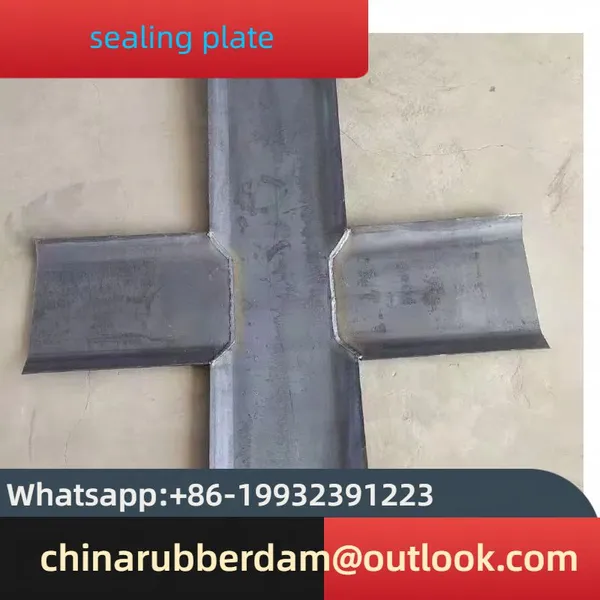 Read More
 -
Steel and Copper Plates Play Key Roles in Architectural Waterproofing
June 26, 2025In the realm of construction, ensuring effective waterproofing is of utmost importance. Steel and copper plates have emerged as cr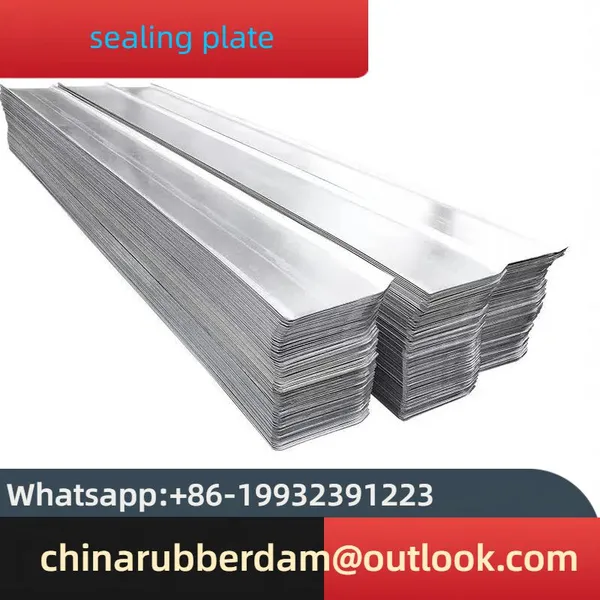 Read More
 -
Installation Steps and Precautions of Gabion Nets
June 26, 2025In recent infrastructure and environmental protection projects, gabion nets have emerged as a popular choice due to their durabili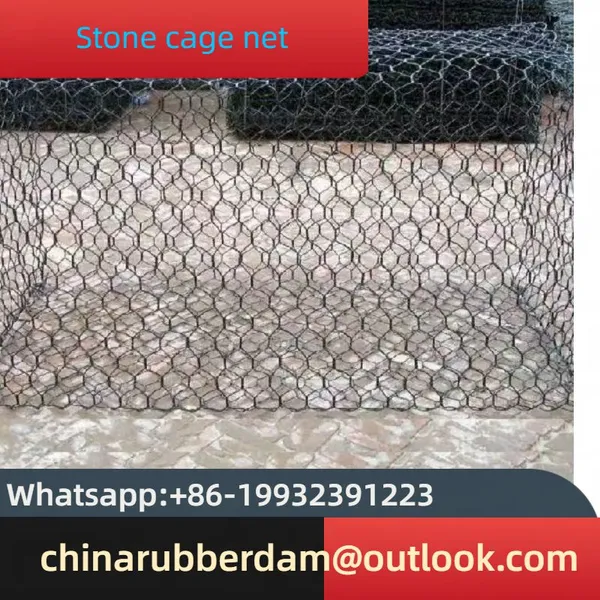 Read More
 -
Applications of Gabion Mesh: Protecting and Enhancing the Environment
June 26, 2025In recent years, gabion mesh has emerged as a versatile and effective solution for a wide range of applications, particularly in t Read More

Contact Us
Recommended Products
-
 River Water Storage Landscape Rubber Sluice Bag Rubber Dam Water Filling River Blocking Dam Embankment Inflatable DamUS$ 5200 - 6500MOQ: 1 Bag
 -
Small Rubber Dam Slope Inflatable Landscape Dam Can be CustomizedUS$ 5200 - 6500MOQ: 1 Bag
-
Whole Slope Landscape Ecological Rubber Dam Spot Circular Rubber DamUS$ 5200 - 6500MOQ: 1 Bag
-
Customized Production of Book Style Inflatable Flood Control Dam, Retaining Dam, Steel Wire Boneless Rubber DamUS$ 5201 - 6500MOQ: 1 Bag
-
Small Inflatable Rubber Dam Water Injection Rubber Dam Bag Dam Source ManufacturerUS$ 5201 - 6500MOQ: 1 Bag

-
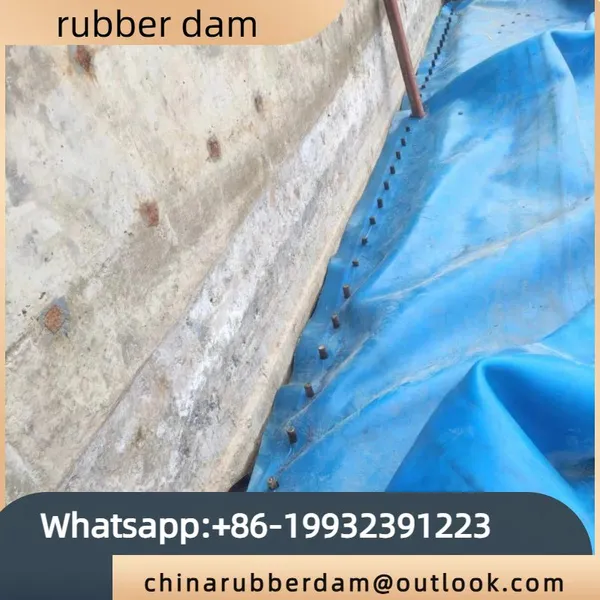
Supply Rubber Dam With Dam, Inflatable Dam for Sale in StockUS$ 5200 - 6500MOQ: 1 Bag
-
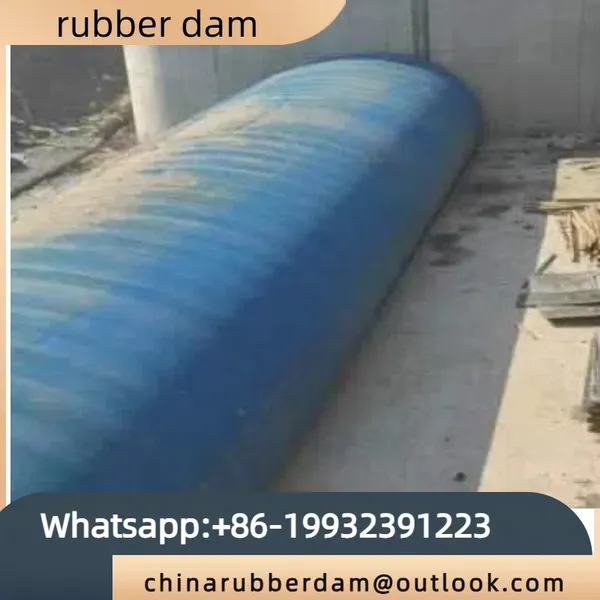
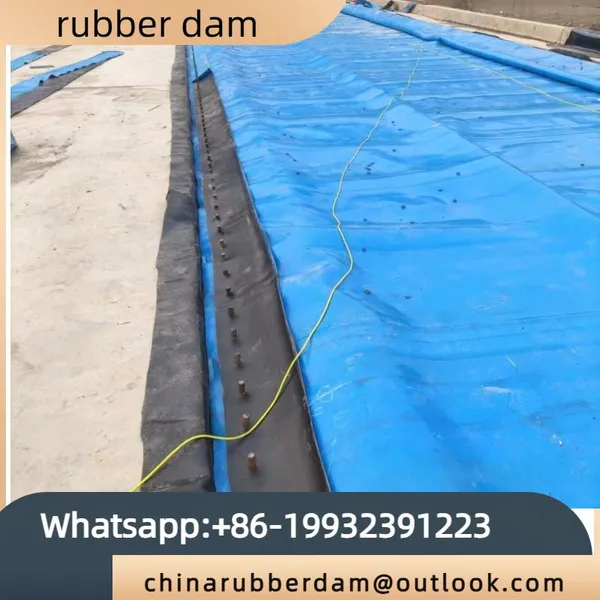
Large Scale Hydraulic Engineering Hydraulic Steel Dam Landscape Hydraulic Dam in Hebei, China, Replica Steel Gate Rubber Dam for Retaining DamUS$ 5200 - 6500MOQ: 1 Bag
-
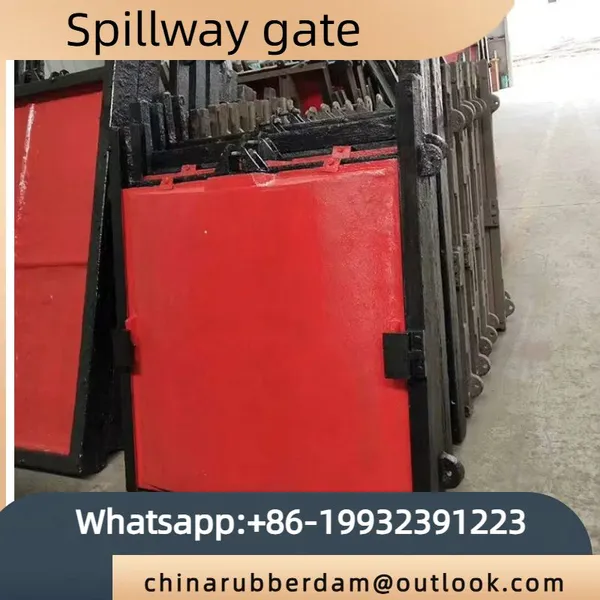
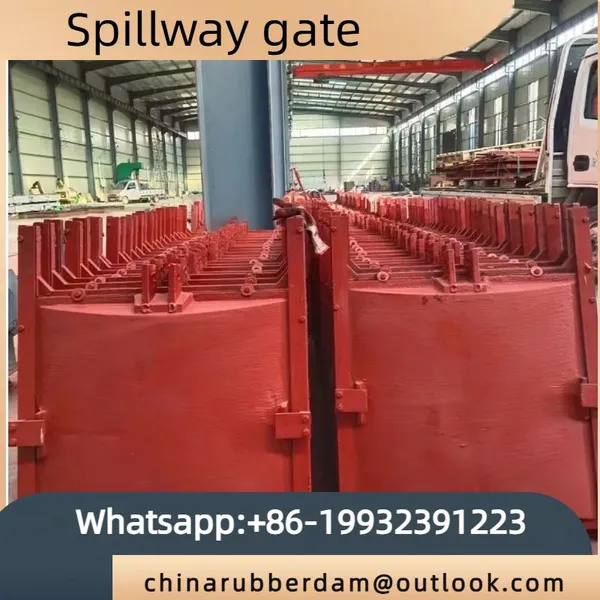
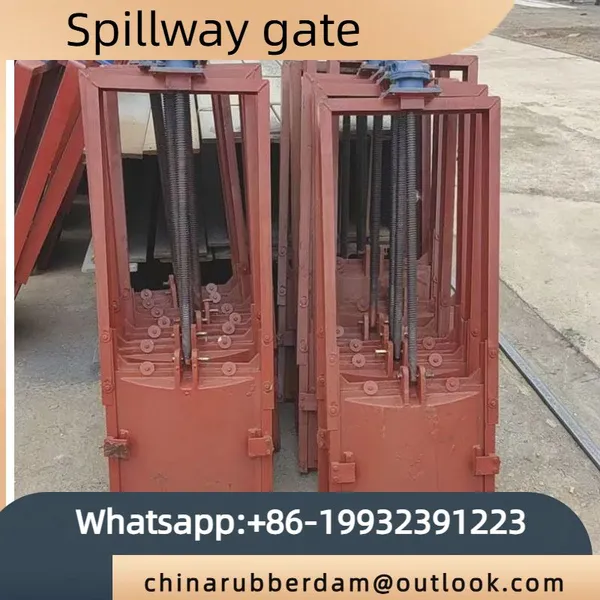
Cast Iron Square Gate/Source Manufacturer Cast Iron Gate SFZ-2000x2000 Matched With Electric Hoist Screw RodUS$ 999 - 1200MOQ: 10 Pairs
-
Steel Gate Source Manufacturer Supplies Stainless Steel Gate ZSZ-2400x2400 Water Stop GateUS$ 999 - 1200MOQ: 10 Pairs
-
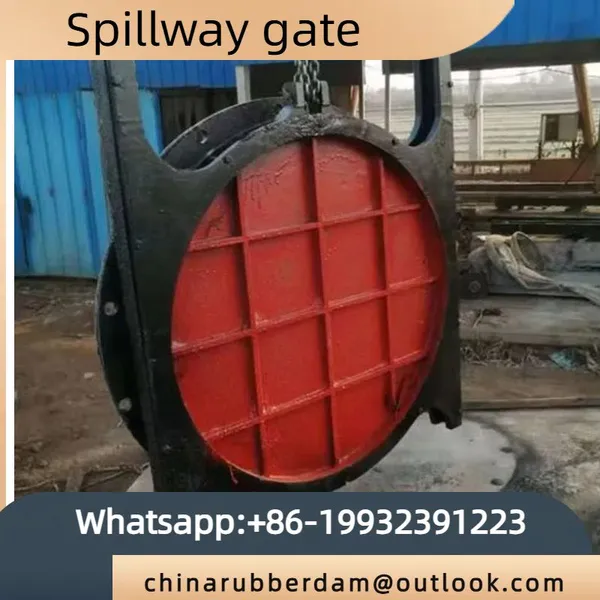
Round Copper Inlaid Cast Iron Gate/Manufacturer Produces Concealed Cast Iron Gate AYZ500 Hoist Cast Iron GateUS$ 999 - 1200MOQ: 10 Pairs
-
Stainless Steel Gate Manufacturer Produces ZSZ Type Water Stop Gate, Two-way Water Control Gate, Customized in Hebei, ChinaUS$ 999 - 1200MOQ: 10 Pairs
-
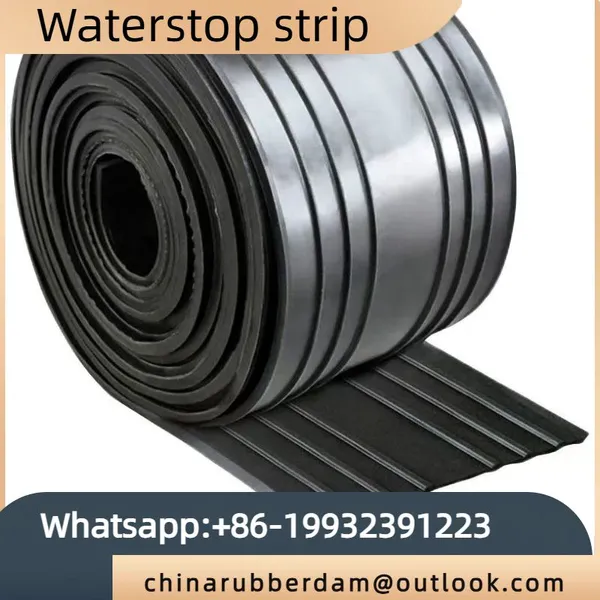
Steel Edge Rubber Waterstop Manufacturer in Stock, Wholesale in Large Quantities, With Good Sealing and Detachable Rubber WaterstopUS$ 50 - 79MOQ: 100 Meters
-
Construction of Water Injection Rubber Dam Factory, River Interception Dam, Gas Shield Dam Interception Dam ProjectUS$ 5200 - 6500MOQ: 1 Bag
-
Slope Pillow Type Water Filled Rubber Dam Construction Rubber Dam Solid FactoryUS$ 5199 - 6500MOQ: 1 Bag
-
New Rubber Dam Garden Style Dam, Simple Dam, Automatic Lifting Rolling Dam, in StockUS$ 5200 - 6499MOQ: 1 Bag
-
Customized Automatic Lifting Dam for Horizontal Steel Dam Under Hydraulic Supply, River Interception, Water StorageUS$ 5200 - 6600MOQ: 1 Bag
-
Large Supply of Inflatable Rubber Dams for River and Water Interception Without Overlapping JointsUS$ 5200 - 6500MOQ: 1 Bag
-
Repair and Replace Small River Flood Prevention and Control Dams, Air Shield Dams, Seamless Overlapping Rubber DamsUS$ 5200 - 6500MOQ: 1 Bag
-
Factory Sales of Slope Type Water Filled Rubber Dam. Chinese Strong Merchants Can Customize According to Their PicturesUS$ 5200 - 6500MOQ: 1 Bag
-
The Manufacturer Supplies a Large Number of ZSZ Type Water Gates, Bi-directional Water Gates, Stainless Steel Gates, and Various Types of GatesUS$ 1000 - 1201MOQ: 10 Pairs